Category: Blog

  • 7 Non-Surgical Cosmetic Procedures to Give You a Novel Look

    7 Non-Surgical Cosmetic Procedures to Give You a Novel Look

    Non-Surgical Cosmetic Procedures

    In the quest for a youthful and rejuvenated appearance, many seek cosmetic procedures that don’t require going under the knife. Non-surgical treatments offer a range of benefits, from minimal downtime to natural-looking results. Here are seven non-surgical cosmetic procedures that can provide you with a novel look:

    7 Non-Surgical Cosmetic Procedures

    1. Botox and Dysport Injections

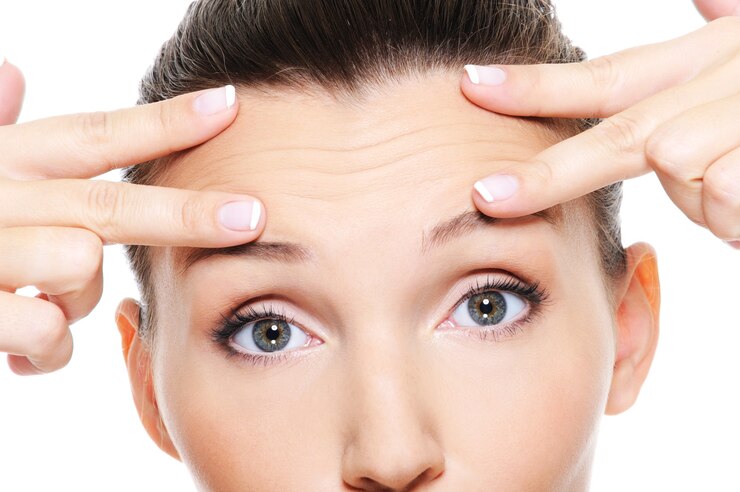
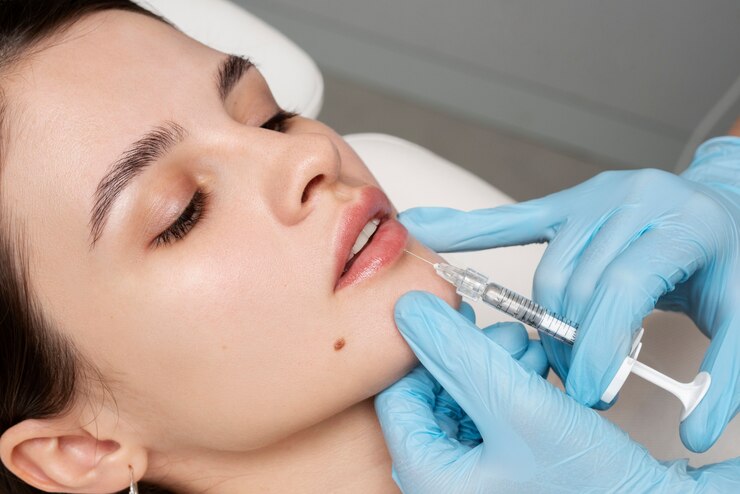
    Botox and Dysport injections are among today’s most popular non-surgical cosmetic procedures. These neuromodulators work by temporarily relaxing the muscles that cause wrinkles, such as those on the forehead, around the eyes (crow’s feet), and between the eyebrows. The result is a smoother, more youthful appearance. Treatments are quick, typically taking about 15 minutes, and there is no downtime, allowing you to resume your daily activities immediately.

    2. Dermal Fillers

    Dermal fillers are another highly sought-after non-surgical option for facial rejuvenation. These injectable treatments restore volume to areas of the face that have lost fullness due to aging. Common areas for dermal fillers include the cheeks, lips, and nasolabial folds. Dermal fillers can smooth out wrinkles and fine lines by plumping up the skin, resulting in a more youthful and refreshed look. Popular types of fillers include hyaluronic acid-based options like Juvederm and Restylane.

    3. Chemical Peels

    Chemical peels are a versatile treatment that can address various skin concerns, from fine lines and wrinkles to acne scars and hyperpigmentation. This procedure involves applying a chemical solution to the skin, which exfoliates the outer layer and reveals smoother, clearer skin underneath. Depending on the strength of the peel, recovery time can vary from a few days to a couple of weeks. Chemical peels can be customized to suit your specific skin needs, providing a refreshed and rejuvenated complexion.

    4. Laser Skin Resurfacing

    Laser skin resurfacing is a powerful treatment that can dramatically improve the texture and appearance of your skin. This procedure uses focused laser energy to remove damaged skin cells and stimulate collagen production. It treats fine lines, wrinkles, sun damage, and even scars. Fractional laser treatments, such as Fraxel, allow for precise targeting of problem areas with minimal downtime, making it a popular choice for those looking to rejuvenate their skin without surgery.

    5. HydraFacial 

    It is a multi-step facial treatment offering a comprehensive solution for radiant, hydrated skin. The procedure combines cleansing, exfoliation, extraction, hydration, and antioxidant protection all in one session, using a patented Vortex-Fusion delivery system. This non-invasive treatment suits all skin types and addresses various skin concerns, including fine lines, wrinkles, elasticity, firmness, and overall skin health. HydraFacial enhances the skin’s hydration and radiance with immediate, noticeable results and no downtime, making it a popular choice for those seeking quick and effective facial rejuvenation.

    6. FaceTite

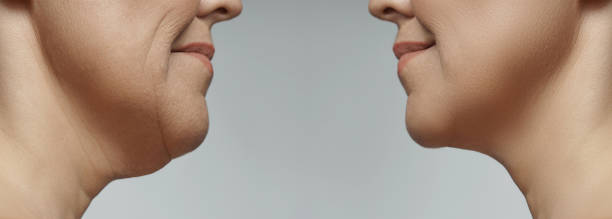
    FaceTite is a minimally invasive cosmetic procedure that uses radiofrequency energy to tighten skin and contour facial features. This treatment is particularly effective for addressing areas of sagging skin and excess fat on the face and neck, providing a rejuvenated and youthful appearance. By delivering precise heating, FaceTite stimulates collagen production, which helps to improve skin elasticity and firmness. The procedure involves minimal discomfort and typically requires a short recovery period, allowing most patients to resume normal activities within a few days. The results are long-lasting, offering a non-surgical alternative for those looking to refine their facial contours and reduce signs of aging.

    7. SmartLipo

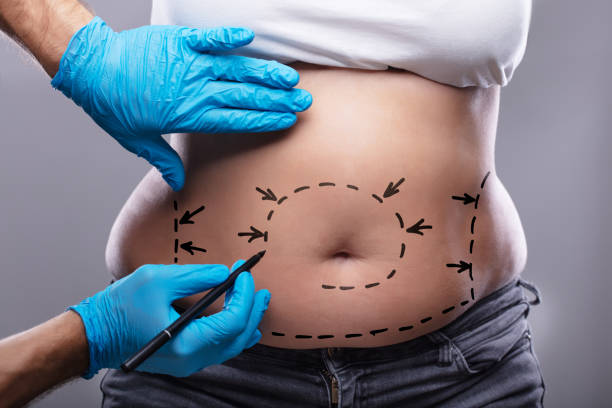
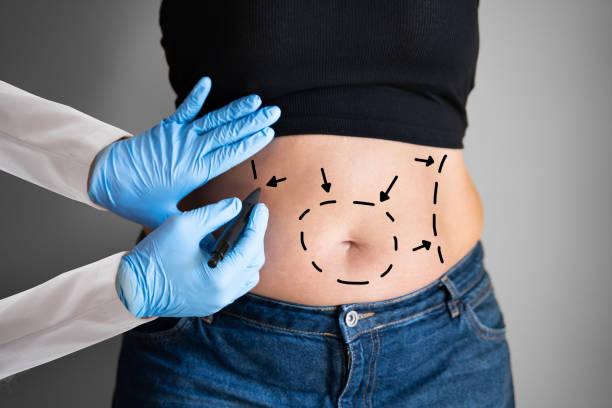
    SmartLipo is a minimally invasive laser-assisted liposuction procedure designed to remove excess fat and tighten skin. It utilizes laser energy to liquefy fat cells, making them easier to suction out and minimizing trauma to surrounding tissues. The heat generated by the laser also stimulates collagen production, promoting skin tightening and a smoother appearance. SmartLipo targets localized fat deposits in the abdomen, thighs, arms, and neck. The procedure involves minimal downtime, less bruising, and a quicker recovery compared to traditional liposuction, making it a popular choice for body contouring.
    Non-Surgical Procedures

    Why Choose Doctor Perlman?

    Doctor Perlman is committed to providing best-in-class non-surgical treatments to enhance your appearance and confidence. With extensive experience and a keen eye for aesthetics, Doctor Perlman tailors each treatment plan to meet every patient’s unique needs and goals. Whether you’re looking to smooth out wrinkles, restore facial volume, or contour your body, Doctor Perlman offers a range of advanced non-surgical options to help you achieve a novel look.

    Conclusion

    Non-surgical cosmetic procedures offer a myriad of benefits for those seeking to rejuvenate their appearance without the need for surgery. From Botox and Dysport injections to Ultherapy, these treatments provide effective solutions with minimal downtime. If you’re ready to explore how these non-surgical options can enhance your appearance, Doctor Perlman is here to guide you through the process and provide exceptional care tailored to your needs.

    Contact Doctor Perlman today to schedule a consultation and take the first step towards a more youthful and confident you.
    Get in Touch

    Blogs_Form

    Frequently Asked Questions

  • 9 Tips For Post-Surgery Success: Maintaining Long-Term Results

    9 Tips For Post-Surgery Success: Maintaining Long-Term Results

    post-surgery-success

    Undergoing surgery is a significant step toward improving your health and appearance, but the journey continues once you leave the operating room. Maintaining long-term results requires diligent post-operative care and lifestyle adjustments. Here are nine essential tips to ensure your post-surgery success and longevity of your results.

    9 Tips for Maintaining Long-Term Results After Surgery

    1. Follow Post-Surgery Instructions

    One of the most crucial steps for post-surgery success is meticulously following your surgeon’s instructions. These guidelines are tailored to your specific procedure and are designed to promote healing and prevent complications. Instructions may include how to care for surgical sites, medication schedules, dietary recommendations, and activity restrictions. Adhering to these recommendations can significantly impact your recovery and long-term results.

    2. Healthy Lifestyle Habits

    Maintaining a healthy lifestyle is vital for sustaining the benefits of your surgery. A balanced diet of vitamins, minerals, and proteins supports healing and well-being. Avoid smoking and limit alcohol consumption, as these can hinder recovery and negatively affect your health. Staying hydrated and getting adequate sleep is essential to a healthy lifestyle, contributing to lasting surgical outcomes.

    3. Physical Activity and Rehabilitation

    As recommended by your healthcare provider, engaging in physical activity and rehabilitation exercises can aid your recovery and enhance the results of your surgery. Depending on the nature of your procedure, you should start with gentle activities and gradually increase intensity. Physical therapy can be particularly beneficial in restoring mobility, strength, and function. Always consult your doctor before beginning any exercise regimen post-surgery.

    4. Skin Care and Sun Protection

    Proper skin care is essential, especially if you’ve undergone cosmetic surgery. Use gentle cleansers and moisturizers to keep your skin hydrated and support healing. Sun protection is crucial; exposure to UV rays can damage your skin and compromise surgical results. Apply a broad-spectrum sunscreen with at least SPF 30 daily, wear protective clothing, and avoid prolonged sun exposure to maintain the health and appearance of your skin.

    5. Emotional and Mental Well-being

    Recovery’s emotional and mental aspects are just as important as the physical ones. Surgery can be a significant event, and it’s natural to experience a range of emotions during the recovery period. Engage in activities that promote relaxation and mental health, such as meditation, reading, or spending time with loved ones. If needed, seek support from a counselor or support group to navigate emotional challenges.

    6. Regular Health Check-ups

    Regular health check-ups are essential for monitoring your recovery and ensuring your surgery results are maintained. Schedule follow-up appointments with your surgeon to track your progress and address any concerns. Regular visits to your primary care physician in the woodlands can also help manage your overall health and catch any potential issues early on. Keeping up with these appointments can prevent complications and ensure optimal long-term outcomes.

    7. Address Concerns Promptly

    If you notice any unusual symptoms or have concerns about your recovery, don’t hesitate to contact your healthcare provider. Early intervention can prevent minor issues from becoming significant complications. Symptoms such as excessive pain, swelling, redness, or signs of infection should be addressed immediately. Open communication with your surgeon ensures that problems are promptly and effectively managed.

    8. Educate Yourself

    Being informed about your procedure and the recovery process can empower you to take an active role in your healing journey. Research reputable sources and ask your healthcare provider questions to understand what to expect during recovery and how to care for yourself effectively. Knowledge about potential risks, benefits, and the recovery timeline can help you make informed decisions and adhere to your post-surgery plan.

    9. Patience and Persistence

    Recovery from surgery is a gradual process, and it’s essential to be patient and persistent. Understand that healing takes time and that results may take time to be apparent. Follow your surgeon’s advice, stay positive, and stay committed to your post-operative care plan. Celebrate small milestones and remember that persistence in your efforts will lead to successful long-term outcomes.

    Conclusion

    You can achieve and maintain excellent surgical results with dedication and the right approach. At Doctor Perlman’s clinic, we are committed to guiding you through every step of your post-surgery journey and ensuring you receive the best care and support. Following these nine tips, you can optimize your recovery, enhance your surgical results, and enjoy a healthier, more confident future.

    If you have any questions or need personalized advice on post-surgery care, don’t hesitate to contact Doctor Perlman’s team. We’re here to help you navigate your recovery and achieve your desired long-term results. Contact us today to schedule a consultation and start your journey towards optimal health and well-being.

    Get in Touch

    Blogs_Form

    Frequently Asked Questions

  • How to Choose the Best Surgeon for Your Tummy Tuck: Key Questions to Ask

    How to Choose the Best Surgeon for Your Tummy Tuck: Key Questions to Ask

    Tummy Tuck

    Deciding to undergo a tummy tuck or abdominoplasty is a significant step towards achieving a slimmer, firmer abdomen by removing excess skin and fat. Selecting a highly qualified surgeon who can ensure both safety and satisfactory aesthetic outcomes is central to the success of your procedure. This comprehensive guide outlines essential considerations and questions when choosing the best surgeon for your tummy tuck.

    Key Qualities of a Skilled Abdominoplasty Surgeon

    Choosing the right surgeon for your tummy tuck involves identifying several key qualities that signify expertise and reliability in performing this cosmetic procedure:

    Board Certification: A crucial initial criterion is ensuring the surgeon is board-certified by the American Board of Plastic Surgery (ABPS). This certification guarantees that the surgeon has completed rigorous training in plastic surgery, including abdominoplasty, and has passed comprehensive exams. Board-certified plastic surgeons adhere to strict ethical standards and are committed to maintaining their certification through ongoing education and evaluation.

    Experience and Expertise: Beyond certification, evaluate the surgeon’s specific experience with tummy tuck procedures. Inquire about the number of surgeries they perform annually and ask to see before-and-after photos of their patients. An experienced surgeon will have a portfolio that showcases their skills in achieving natural-looking results and managing various patient needs effectively.

    Attention to Detail: Precision in surgical technique is critical in abdominoplasty to achieve optimal outcomes in contouring and tightening the abdominal area. A skilled surgeon pays meticulous attention to detail throughout the procedure, ensuring symmetry, smooth contours, and minimal scarring.

    Empathy and Communication: Effective communication and empathy are fundamental to establishing a trusting relationship between you and your surgeon. A compassionate surgeon listens attentively to your concerns, explains the procedure in detail, and ensures you have realistic expectations about the results and recovery process.

    Tips to Choose the Right Surgeon

    Best Surgeon for Your Tummy Tuck

    Look for Board Certification

    Board certification by the ABPS is non-negotiable when selecting a surgeon for your tummy tuck. This certification signifies that the surgeon has completed accredited training programs and has demonstrated proficiency in plastic surgery techniques, including abdominoplasty. It ensures that your surgeon possesses the necessary skills and knowledge to perform your procedure safely and effectively.

    Verify Surgeon Experience and Expertise

    In addition to certification, delve into the surgeon’s experience related explicitly to abdominoplasty. Ask about their years of practice, the number of tummy tuck procedures they perform annually, and any specialized training or fellowships in aesthetic or reconstructive surgery. Reviewing before-and-after photos of previous patients can provide valuable insights into the surgeon’s aesthetic sensibilities and ability to achieve desired outcomes.

    Evaluate the Surgery Facility

    The safety and success of your tummy tuck procedure depend significantly on the surgical facility where it will be performed. During your consultation, inquire about the facility’s accreditation. Accredited surgical centers adhere to rigorous safety, cleanliness, and equipment standards. Ensure the facility is equipped with state-of-the-art technology and staffed by qualified medical professionals, including board-certified anesthesiologists.

    Inquire about Prices

    While cost should not be the sole determinant, understanding the financial aspects of your tummy tuck procedure is essential for making informed decisions. Request a comprehensive breakdown of the total cost, including surgeon’s fees, anesthesia fees, facility fees, and any additional costs associated with pre-operative tests or post-operative care. Be cautious of meager prices, as they may reflect compromises in the quality of care or the use of outdated techniques.

    Ensure Comfort and Compatibility

    Your comfort level with your surgeon and their staff is crucial for a positive surgical experience. During your initial consultation, assess how well the surgeon listens to your concerns and answers your questions. Pay attention to the level of personalized attention and the willingness of the staff to address your needs throughout the consultation process. A supportive and compassionate surgical team can significantly enhance your overall satisfaction and peace of mind.

    Assess Post-Surgery Services

    Recovery and post-operative care are integral aspects of your tummy tuck journey. Inquire about the surgeon’s approach to post-operative care, including follow-up appointments, monitoring your healing progress, and availability to address any concerns or complications. Clear communication regarding post-surgery expectations, recovery timelines, and instructions for managing discomfort or potential complications will help you confidently navigate the recovery period.

    Get Premium Quality Care With Doctor Perlman

    Dr. Perlman stands out as a leading expert in abdominoplasty, renowned for his commitment to excellence in patient care and surgical outcomes. With extensive experience and a reputation for achieving natural-looking results, Dr. Perlman combines advanced surgical techniques with personalized treatment plans tailored to each patient’s unique needs and goals. His dedication to patient safety, satisfaction, and ongoing support underscores his position as a trusted authority in cosmetic and reconstructive surgery.

    Conclusion

    Choosing the best surgeon for fat removal involves thorough research and asking the right questions to ensure safety, quality, and desired results. Remember to prioritize board certification, experience, and personalized care. Before proceeding, consult with a surgeon certified by the American Board of Plastic Surgery, which means that the plastic surgeon has trained in an approved program and passed the exams to be board-certified. This ensures you entrust your abdominoplasty procedure to a qualified and skilled professional.

    Get in Touch

    Blogs_Form

    Frequently Asked Questions

  • Understanding the Risks of Neck Liposuction

    Understanding the Risks of Neck Liposuction

    Neck liposuction is a cosmetic procedure that removes excess fat deposits from the neck area, enhancing contour and reducing fullness. While it promises a more defined neckline and improved appearance, like any surgical procedure, it comes with potential risks and considerations that prospective patients should be aware of.

    What is Neck Liposuction?

    Neck liposuction, also known as neck lift surgery, involves removing localized fat deposits from the neck through suction. It is typically performed under local anesthesia and involves small incisions through which a thin tube (cannula) is inserted to suction out the fat.

    Common Risks Associated with Neck Lift Surgery

    Neck Lift Surgery
    1. Reactions to Anesthesia

    Anesthesia is generally safe, but some individuals may experience adverse reactions such as nausea, vomiting, or, in rare cases, severe allergic reactions. An experienced anesthesiologist can minimize these risks through careful monitoring.

    1. Infection

    As with any surgical procedure, there is a risk of infection at the incision sites. This risk can be mitigated by adhering strictly to post-operative care instructions, including keeping the incision sites clean and taking prescribed antibiotics.

    1. Tightness of the Neck

    After neck liposuction or neck tightening surgery, patients may experience tightness in the neck area. This sensation is expected as the skin adjusts to its new contours. Massaging the area gently, as your surgeon recommends, can help alleviate this discomfort.

    1. Numbness or Tingling

    Temporary numbness or tingling around the neck and chin area is common after neck liposuction. This usually resolves as the nerves regenerate, but patients should inform their surgeon if these sensations persist or worsen.

    1. Asymmetrical Results

    Achieving perfectly symmetrical results can be challenging in any cosmetic surgery. Factors such as natural anatomical asymmetry or uneven fat distribution may contribute to slight asymmetry. Experienced surgeons strive to minimize this risk through precise surgical techniques.

    1. Visible Scars

    While incisions for neckline surgery are small and strategically placed, there is a risk of visible scarring. Most scars fade significantly over time but may remain visible in some cases. Proper wound care and following scar management protocols provided by your surgeon can help minimize their appearance.

    1. Blood Clotting

    Though rare, blood clots are a serious potential complication of any surgery. Patients are typically encouraged to move around as soon as possible after surgery to promote circulation and reduce the risk of clot formation.

    1. Psychological Dissatisfaction

    Managing expectations is crucial in cosmetic surgery. Patients may experience psychological distress if the results do not meet their expectations. Open communication with the surgeon before surgery can help ensure realistic expectations and satisfaction with the outcome.

    Ways to Manage Surgical Risks

    Attend Follow-up Appointments

    Regular follow-up appointments with your surgeon allow for close monitoring of your recovery progress and early detection of complications.

    Get Plenty of Rest

    Adequate rest is essential for proper healing after surgery. Avoiding strenuous activities and following post-operative guidelines will aid in a smooth recovery.

    Maintain a Healthy Diet

    Eating a balanced diet rich in nutrients supports the body’s healing process and helps reduce the risk of complications.

    Arrange for Someone to Help You Around the House After Surgery

    Assistance with daily tasks during the initial recovery period allows you to focus on rest and healing.

    Be Patient with Your Recovery

    Each individual heals at their own pace. Patience and following your surgeon’s instructions are crucial to achieving optimal results.

    Contact Doctor Perlman for Comprehensive Surgical Solutions

    For those considering neck liposuction, consulting with a qualified plastic surgeon like Dr. Perlman can provide comprehensive guidance and surgical solutions tailored to individual needs. Dr. Perlman, certified by the American Board of Plastic Surgery, brings extensive expertise and a commitment to patient safety.

    Conclusion

    In conclusion, while neck liposuction offers transformative results for many patients seeking a more contoured neck appearance, understanding and mitigating the associated risks are paramount. Patients can enhance safety and optimize their aesthetic outcomes by following pre-operative instructions, adhering to post-operative care guidelines, and choosing a qualified surgeon like Dr. Perlman. Before undergoing any cosmetic procedure, consult a surgeon certified by the American Board of Plastic Surgery. This means that the plastic surgeon has trained in an approved program and passed the exams to be board-certified.

    Get in Touch

    Blogs_Form

    Frequently Asked Questions

  • Things You Need to Know Before Getting a Forehead Lift

    Things You Need to Know Before Getting a Forehead Lift

    Before Getting a Forehead Lift

    Do you want to seem younger and are thinking of getting your forehead lifted? Research is essential before making a decision, just like with any cosmetic surgery. Several factors must be considered, ranging from comprehending the process to weighing the risks and rewards. In this in-depth tutorial, we’ll go over everything you should know before having a forehead lift.

    What is a Forehead Lift?

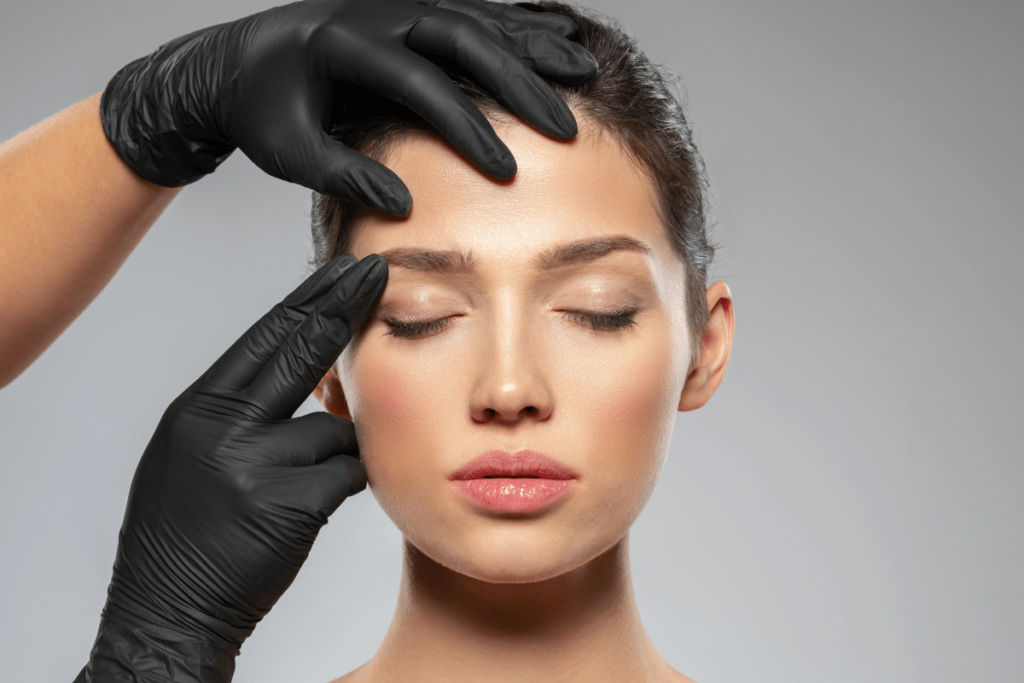
    A forehead lift, also referred to as a brow lift, is a surgical technique used to lessen age indications in the area between the brow and forehead. It targets drooping eyebrows, deep furrows in the skin, and sagging skin to provide the appearance of renewed vitality. The treatment includes lifting and tightening the forehead’s skin and underlying tissues, removing wrinkles, and elevating the eyebrows to a more aesthetically acceptable posture.

    Benefits of a Forehead Lift

    Wrinkled Forehead

    A forehead lift has advantages that go beyond aesthetic improvement. Among the main benefits are:

    1. Youthful Appearance: A forehead lift can give you a year’s younger appearance by raising drooping skin and minimizing wrinkles.

    2. Enhanced Confidence: Improving your looks can make you feel better about yourself and more confident.

    3. Enhanced Facial Harmony: A forehead lift can help restore balance to your facial features by raising drooping eyebrows and removing forehead wrinkles.

    4. Long-lasting Results: A forehead lift can produce improvements lasting several years, even though they are not permanent.

    Risks and Considerations

    There are dangers and considerations associated with forehead lift surgery, just like other medical operations. These could consist of:

    1. Scarring: Any surgical operation will inevitably leave some scars despite efforts to reduce them.

    2. Infection: There is a chance of infection after surgery, but this is uncommon if appropriate post-operative care is taken.

    3. Nerve Damage: There is a chance of experiencing a brief numbness or nerve damage in the forehead area. However, this usually goes away with time.

    4. Unsatisfactory Outcomes: Although rare, your forehead may lift but will not give you the outcomes you were hoping for.

    Before undergoing the procedure, you must talk with your physician about these risks and any worries you may have.

    Eligibility

    Not every individual is a good fit for a forehead lift. Typical ideal prospects are:

    • Are in good overall health
    • Have realistic expectations about the outcome of the procedure
    • Are you bothered by sagging skin, deep wrinkles, or drooping eyebrows in the forehead region
    • Are non-smokers or willing to quit smoking before surgery
    • Have no underlying medical conditions that may increase the risks of surgery
    • Your surgeon will assess your suitability for the procedure during a consultation

    Choosing a Surgeon

    Choosing a knowledgeable and competent surgeon is essential to getting the best possible outcome from your forehead lift. When selecting a surgeon, take into account the following:

    1. Credentials: Verify your surgeon’s board certification and substantial forehead lift experience.

    2. Before-and-After Pictures: Examine prior patients’ before-and-after pictures to get a sense of the surgeon’s abilities and the kind of outcomes you can anticipate.

    3. Patient Reviews: Read past patients’ reviews and testimonies to learn about their happiness with the surgeon and the outcome of their treatment.

    4. Comfort Level: Make an appointment for a consultation to meet the surgeon face-to-face and gauge how comfortable you are with them.

    Cost of Procedure

    The experience of the surgeon, the patient’s location, and the complexity of the operation can all affect the price of a forehead lift. However, the usual cost is between $3,000 and $12,000. Remember that this price could not include other expenses like anesthesia fees, hospital fees, or post-operative care.

    Preparing for the Procedure

    Pre-Operative Instructions

    You will receive precise pre-operative instructions from your surgeon to follow before your forehead lifts. These might consist of:

    • Steer clear of drugs like aspirin and ibuprofen that can make bleeding more likely.
    • Giving up smoking since it can hinder the healing process
    • Making plans for a ride home following your procedure
    • Arranging a cozy healing space in your house with pillows and blankets as part of the rehabilitation process

    To guarantee a seamless and effective procedure, it’s critical to adhere to following directions carefully.

    What to Expect During the Surgery

    Depending on the complexity of the operation and the surgeon’s preference, you will usually be put under either general anesthesia or local anesthetic with sedation during the forehead lift treatment. During the actual procedure, incisions are made inside the scalp or along the hairline to remove extra skin and modify the underlying tissues. A more youthful appearance can also be achieved by raising the eyebrows. After that, staples or sutures are used to seal the incisions.

    The length of the procedure varies according on the methods employed and the anatomy of each patient, but it usually takes one to two hours to finish.

    Recovery Process

    You should anticipate some swelling, bruising, and soreness after your forehead lift; these side effects can be controlled with painkillers that your physician will prescribe. Additionally, you can feel a slight tightness or numbness in the area of your forehead. It’s critical to carefully adhere to your surgeon’s post-operative recommendations in order to promote healing and reduce the chance of complications.

    After surgery, most patients can return to modest activities after a week, though they should refrain from intense activity for a few weeks. You should be able to fully enjoy the effects of your forehead lift after two to three weeks when most of the swelling and bruising should go down.

    Contact Dr. Perlman for a Forehead Lift Consultation

    Dr. Perlman can assist you if you’re thinking about having a forehead lift to improve your appearance and boost your confidence. With years of expertise doing cosmetic treatments, Dr. Perlman is a board-certified plastic surgeon who is committed to giving his patients individualized attention and producing results that seem natural. Make an appointment for a consultation with us right now to get started on the path to a more rested and youthful appearance.

    Get in Touch

    Blogs_Form

    Frequently Asked Questions

  • Do’s and Don’ts of Lip Augmentation Recovery: Expert Advice for Optimal Results

    Do’s and Don’ts of Lip Augmentation Recovery: Expert Advice for Optimal Results

    Do’s and Don’ts of Lip Augmentation Recovery

    Lip augmentation has become a popular cosmetic procedure for enhancing the shape and fullness of lips. Whether you’ve opted for lip fillers or implants, this procedure requires careful attention to ensure a smooth and successful recovery. In order to achieve the best outcomes and a quick recovery, we’ve compiled a thorough list of do’s and don’ts supported by professional advice to aid you through your trip.

    Do’s for a Speedy Recovery

    1. Apply ice packs to reduce swelling: One typical negative effect of lip augmentation is swelling. Ice packs can reduce swelling and pain by applying them to the treatment region. Wrap the ice pack in a handkerchief to shield your lips from direct contact.

    2. Stay hydrated with plenty of water: Hydration is essential to encourage healing and minimize edema. Sip on lots of water throughout the day to keep your body hydrated and speed up the healing process.

    3. Use gentle, fragrance-free cleansers and ointments: Keeping your lips clean and moisturized is essential for preventing infection and promoting healing. To maintain moisturized and nourished lips, use the mild cleansers and ointments that your surgeon has prescribed.

    4. Sleep with your head elevated: Elevating your head while you sleep can aid in promoting appropriate fluid outflow from the treated area and reducing swelling. To guarantee the best possible recovery, raise the head of your bed or use an additional pillow.

    5. Avoid strenuous activity for the recommended timeframe: Exercises involving a lot of movement might worsen edema and take longer to heal. For the first few days after your treatment, take it easy and steer clear of anything that could strain your lips.

    6. Wear sunscreen to protect healing lips: Spending time in the sun can aggravate swelling and slow the healing process. Use a lip balm with SPF before going outside to shield your lips from the sun’s damaging rays.

    Don’ts for a Smoother Journey

    1. Don’t touch, pick, or massage your lips excessively: After lip augmentation, fighting the impulse to touch or fiddle with your lips is critical. Over-tightening or picking can impede the healing process and raise the possibility of infection.

    2. Don’t use straws or hot beverages for the first few days: Straws and hot drinks can put undue strain on your lips and make swelling worse. During the early phases of recovery, stick to drinking from a glass or cup and choose lukewarm or cold beverages.

    3. Don’t consume excessive sodium, which can worsen swelling: Your body may retain more water as a result of sodium, which can exacerbate swelling and pain. Steer clear of salty foods and choose low-sodium substitutes to aid in a quicker recovery.

    4. Don’t go to saunas, steam rooms, or hot yoga classes: It is advisable to avoid activities that require exposure to high temperatures while recovering because heat can worsen swelling and discomfort. Until you hear from your surgeon, avoid using the sauna, steam room, or hot yoga class.

    4. Don’t apply makeup for the recommended timeframe: Makeup can contaminate the treatment area with microorganisms and impede the healing process. Wait to put any cosmetics on your lips until your surgeon gives the all-clear.

    5. Don’t take blood-thinning medications without a doctor’s approval: Aspirin and ibuprofen are two examples of drugs that thin the blood and raise the risk of bleeding and bruises. Before taking any blood thinners while recovering from surgery, speak with your surgeon.

    When Will it Achieve the Desired Result?

    The amount of time it takes for lip augmentation to produce the desired results varies from patient to patient. It is influenced by the kind of treatment done, the rate at which each person heals, and compliance with aftercare recommendations. After the operation, you should generally see some effects in the first week or two. Once the swelling has gone down and the tissues have normalized, you will see the full extent of the benefits.

    Schedule Your Lip Augmentation Consultation Today!

    If you’re considering lip augmentation to enhance the appearance of your lips, schedule a consultation with Dr. Joseph Perlman at The Advanced Plastic Surgery Centre. Dr. Perlman specializes in lip augmentation using Perma lip implants, which come in different sizes to achieve your desired level of fullness and symmetry. With his expertise and personalized approach to care, you can trust that you’re in good hands throughout your lip augmentation journey.

    Get in Touch

    Blogs_Form

    Frequently Asked Questions

  • Does a Breast Lift Leave Scars?

    Does a Breast Lift Leave Scars?

    A breast lift, also known as mastopexy, is a plastic surgery procedure that raises and firms the breasts. During a breast lift, excess skin is removed and breast tissue is reshaped to restore a more youthful contour and perky appearance. Many women seek a breast lift to address sagging, deflated breasts that can occur after pregnancy, weight loss, or as a result of aging.

    While a breast lift can dramatically improve breast shape, fullness, and position, the procedure does involve incisions around the breasts that will lead to some permanent scarring. However, when performed by a skilled plastic surgeon like Doctor Joseph M. Perlman at Advanced Plastic Surgery Centre, the scars from a breast lift are relatively minimal and fade significantly over time. Understanding the potential scarring is important when considering whether a breast lift is right for you.

    Breast Lift
    Breast Lift

    How a Breast Lift is Performed

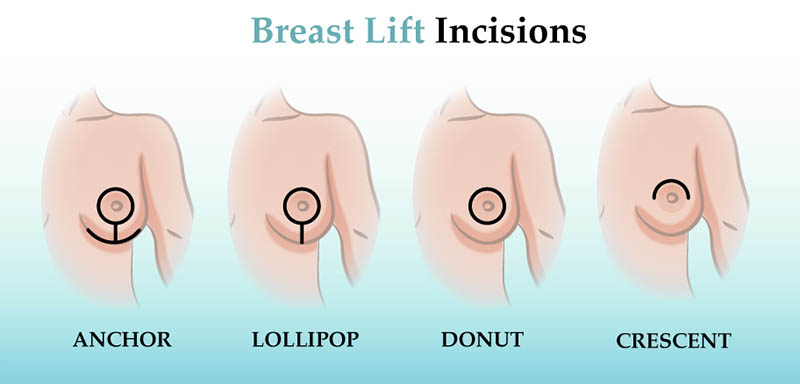
    A breast lift is performed as an outpatient procedure under general anesthesia by board-certified plastic surgeon Dr. Perlman, who will make strategic incisions around your breasts and areolas to remove excess, sagging skin, and tighten and reshape the underlying breast tissue into a lifted position. There are four main techniques a surgeon may use for this surgery.

    • Crescent Lift: A small crescent-shaped incision is made along the top half of your areola. This allows for a mild lifting and reshaping of the breast with minimal scarring. It is usually done in combination with breast augmentation.
    • Donut Lift: Also known as a circumareolar lift, an incision is made around the entire perimeter of the areola to give the doctor access to reshape the entire breast tissue. It results in scarring around the areola edge.
    • Lollipop Lift: This involves a circular incision around the areola and a vertical incision from the bottom edge of the areola down to the breast crease. This allows for the extraction of extra excess skin for a moderate lift.
    • Anchor Lift: The most extensive lift option there is, this combines the donut incision around the areola with a horizontal incision along the breast crease. An anchor lift allows the removal of the most excess skin for significant lifting.

    Removing this excess sagging skin helps tighten the breast skin envelope to lift and support the breast in a higher and more perky position. Reshaping the underlying breast tissue can improve the breast contour by reducing or lifting enlarged or descended breast glands.

    The most appropriate incision technique depends on the degree of breast sagging, excess skin, and the amount of lift and reshaping desired by the patient. After removing excess skin, the remaining breast skin is sutured tightly in the lifted position, reshaping the breast mound as needed. The incisions are then closed with sutures, surgical tape, or skin adhesive.


    Breast Lift Incisions

    What to Expect With Scarring After a Breast Lift

    Since breast lift surgery requires incisions around and on your breasts, there will be some degree of permanent scarring. However, when proper surgical techniques are used for incisions and closures, the scars you’ll have from a breast lift are relatively minimal. There are a few things you can expect with scarring on your breasts.

    • Incision Location: Scars will form along the incision lines made by Dr Perlman during your breast lift procedure. This may include scars around your areola edge, vertically down from your areola to the breast crease, and possibly along your breast crease.
    • Early Scarring: Scars will initially appear reddish or pink in the first 2 to 4 weeks after surgery as the incisions are healing. Some bruising and swelling may also be present initially. Proper wound care helps minimize your scarring during the recovery process.
    • Scar Fading: Around 6 weeks after breast lift surgery, your scars begin to fade in color and lose their redness. The complete maturation and fading of scars takes 12 to 18 months on average. Proper scar care and avoidance of the sun can help them heal optimally.
    • Mature Scars: Around 1 to 2 years after your breast lift, your scars often soften significantly and lighten to thin, pale lines. Mature scars are flat against your breast skin rather than thickened or raised above the surface.
    • Hypertrophic Scarring: In some cases, scars become thicker, wider, and more prominent, which is known as hypertrophic scarring. This is minimized when a skilled, highly-trained surgeon like Dr. Perlman uses very careful techniques to create minimal tension and trauma during incisions.
    • Scar Length: The total length and location of your scars correspond to the lifting technique used. A donut lift results in the shortest scar hidden along your areola border. The anchor lift involves the most extensive scarring to address significant sagging.

    While scarring is an inevitable part of breast lift surgery, scars often heal remarkably well and become barely detectable over time. Following proper aftercare for your scars can further minimize their appearance. Many of our patients feel the greatly improved breast shape they receive after a lift is worth the trade-off of mild scarring along natural contours.

    Contact Advanced Plastic Surgery Centre for a Breast Lift

    If your breasts have lost volume and firmness over time, a breast lift at Advanced Plastic Surgery Centre can restore a more youthful, uplifted contour. Schedule a consultation with our board-certified plastic surgeon today to determine if you are a good candidate. Call our office at 281-655-8200 or visit our website to get in touch with our welcoming staff!

    Frequently Asked Questions For Breast Lift Procedure

  • How Painful is a Breast Lift?

    How Painful is a Breast Lift?

    A breast lift, also known as mastopexy, is a popular plastic surgery procedure that raises and firms the breasts by removing excess skin and tightening the surrounding breast tissue. During a breast lift, the nipple and areola are also repositioned to a more youthful height and orientation on the breast.


    While the aesthetic results of a breast lift can be transformative by helping to restore a fuller breast contour, many women are understandably concerned about the potential pain and discomfort involved in the recovery process. Here we will discuss in detail what you can expect with regards to pain after a breast lift at Advanced Plastic Surgery Centre.

    Breast Lift

    Overview of the Breast Lift Procedure

    There are a few different techniques our board-certified plastic surgeon Dr. Joseph Perlman may utilize during a breast lift – depending on the degree of lift and firming you require. The most common is the anchor lift technique, which utilizes three incisions – one around the areola, one vertically from the areola down to the inframammary fold or breast crease, and one horizontally along the inframammary fold.


    A breast lift is performed to elevate sagging or uneven breasts and involves surgically removing excess skin and tightening the breast tissue to reshape and support the breasts. During the procedure, Dr. Perlman will make precise incisions, remove any excess skin for tightening, lift the breast tissue upward, and reposition the nipple and areola into a position that is higher up (and more youthful looking) on the breast. The mastopexy surgery usually takes two to three hours to meticulously complete under general anesthesia or local anesthesia plus intravenous sedation.


    After closing the incisions with sutures, the doctor will place soft surgical dressings and tape over your breasts to promote healing. You will then be taken to a recovery area where you will be closely monitored as you wake up comfortably from anesthesia.

    What to Expect with Breast Lift Pain Levels

    The amount of pain or discomfort experienced during the recovery period after a breast lift can vary significantly between individual patients. However, most women report the pain as manageable with prescription oral pain medication during the first week following surgery.


    Here is an overview of the typical pain levels and sensations at different stages of breast lift recovery.


    Immediately after surgery: It is normal to feel some pain and soreness in your breasts and incisions due to the surgical procedure and internal sutures. This initial pain is usually well-controlled with the intravenous pain medication that is administered during or just after surgery.


    First 1 – 3 days after surgery: The most significant discomfort is often felt within the first few days of your breast lift as the anesthetic wears off and peak swelling occurs. Pain during this time is often described as a generalized sore, stiff, or achy feeling in the breasts. Prescription oral pain medication taken regularly, as well as the application of cold compresses, can help effectively manage pain.


    The first week after surgery: Discomfort in your breasts gradually improves during the first postoperative week but some tenderness and pain are still common – especially with movements like raising or lowering the arms. Oral pain medication taken as prescribed will keep your pain under control during the first week.


    2 weeks after surgery: Around the two-week point after a breast lift, many of our patients report a noticeable improvement in their pain levels, with only mild to moderate soreness remaining. Pain medication is still often needed, especially before sleep.


    3 – 6 weeks after surgery: In the weeks following the two-week mark, your pain will continue to diminish in intensity. By 3 to 4 weeks any discomfort you may feel is usually minor and intermittent. Only the occasional use of pain medication may be necessary.


    6 – 12 weeks after surgery: By 6 to 12 weeks after surgery, any incision-related pain and tenderness has fully resolved for the majority of breast lift patients. Only mild, temporary soreness may be felt with vigorous stretching or activity at this stage.

    Breast Lift

    What Factors Can Affect Pain Levels After a Breast Lift?

    While the above provides a general overview of breast lift pain, it’s important to understand that specific pain levels and duration can vary significantly depending on individual factors.


    Surgical technique used: More extensive breast lifting with anchor incisions tends to involve more postoperative pain compared to a smaller crescent lift with fewer incisions.


    Degree of correction performed: Patients requiring a more considerable lifting and tightening of their breast tissue during mastopexy tend to experience greater residual pain and soreness.


    Individual pain tolerance: Everyone has a slightly different innate tolerance and threshold for pain, which affects their perception of and response to any discomfort.


    Compliance with post-op instructions: Closely following your plastic surgeon’s instructions for rest, medication usage, activity modification, and care of your incisions can help minimize normal pain during recovery.

    Tips to Help Manage Pain After Your Breast Lift Procedure

    While some pain is to be expected after any invasive surgery like a breast lift, there are ways to proactively help minimize your discomfort during the recovery process.


    • Take your prescribed oral pain medication regularly as directed, especially for the first 5 to 7 days. Don’t wait for severe pain before taking your medication.


    • Use cold compresses or ice packs on your breasts for 10 to 15 minutes several times a day. This reduces swelling and helps to numb discomfort.


    • Sleep propped up with extra pillows during the first week to reduce tension on your breasts.


    • Avoid lifting your arms over your head or doing any strenuous physical activity for at least 2 weeks.


    • Wear a soft surgical support bra around the clock as directed by your surgeon for comfort and gentle support.


    • Don’t allow your pain to escalate – if you need to, set alarms to remember when to take your next dose of medication.


    • Consider supplementary natural pain remedies like bromelain, turmeric, arnica, and vitamin C supplements.


    • Meticulously care for your incisions by keeping them clean and dry to prevent infection and irritation which can worsen pain.


    • Attend all scheduled follow-up visits with Dr. Perlman after surgery so he can monitor your progress and pain levels.


    What is the Recovery Timeline After a Breast Lift?

    While recovery from a breast lift procedure is a gradual process that occurs over several weeks, most of our patients report feeling notably better as each week passes.


    1 week after surgery: They are no longer reliant on prescription pain medication and can return to lighter administrative desk work. This is when the early stage of pain improvement begins.


    2 weeks after surgery: The incision sites feel less painful when changing dressings. Any stitches are removed at this time and the patient can resume very light activities like walking.


    4 weeks after surgery: Only moderate residual soreness around incisions is experienced when moving. There are noticeable improvements in swelling and discomfort.


    6 weeks after surgery: Most of our patients report minimal residual pain or discomfort at rest or with their normal daily activities.


    6 – 12 weeks after surgery: Full recovery with complete resolution of swelling, bruising, and incision-related pain or tenderness.


    Remember that following all the written post-operative instructions provided by your plastic surgeon is crucial to ensure proper healing and minimize discomfort throughout the recovery period.


    FAQs: Breast Lift Pain and Recovery

    How long does pain & soreness persist after a breast lift?

    Most of our patients have experienced manageable pain controlled with oral medication for 1 week. Residual soreness and tenderness continue to gradually improve over the next 4 to 6 weeks. Significant pain beyond 6 weeks is not typical if you are recovering normally.

    Which day is most painful following a breast lift?

    The first 24 to 72 hours tend to be the most painful period for most patients, as the anesthetic wears off and post-surgical swelling reaches its peak. The pain is often described as an intense sore, stiff sensation.

    What medications are typically prescribed for breast lift pain management?

    A combination of prescription medications like hydrocodone, as well as over-the-counter options like acetaminophen or ibuprofen are recommended for short-term pain control.

    When is it typically safe to resume normal activities after a breast lift?

    Light routine activities can often be resumed in 1 to 2 weeks but it is best to wait at least 4 to 6 weeks for adequate healing before performing any strenuous exercise or heavy lifting. Most patients need 6 weeks for complete recovery.

    What helps breast lift scars fade and mature best after surgery?

    Proper scar care, staying out of the sun, avoiding smoking, using scar treatments, and following all your plastic surgeon’s incision care instructions helps them heal optimally.

    Does a mastopexy help relieve back or neck issues caused by sagging?

    Yes, by elevating and supporting your breasts, a breast lift procedure can help alleviate chronic headaches, neck tension, and back pain caused by heavy, sagging breasts.

    About Advanced Plastic Surgery Centre: Your Trusted Breast Lift Specialists

    At Advanced Plastic Surgery Centre in Houston, Dr. Joseph Perlman has over 20 years of experience skillfully performing breast lift procedures and other cosmetic surgeries. He is dedicated to providing personalized treatment plans and achieving the most natural-looking results possible for every patient.


    We understand that deciding to undergo a breast lift is difficult. Our caring staff will take the time to listen and provide you with complete information to fully understand what to realistically expect for your recovery and pain management.

    Come in for Your Consultation Today!

    If you are considering a breast lift or have any other cosmetic concerns you’d like addressed, we invite you to schedule a personalized complimentary breast lift consultation with Dr. Perlman and view the before and after results from real patients. Email us or call 281-655-8200 today to get started.


  • Botox vs. Dysport

    Botox vs. Dysport

    When it comes to reducing the appearance of fine lines and wrinkles, there are various options available – particularly Botox and Dysport. Both of these treatments are injectable neurotoxins that work by temporarily paralyzing the muscles responsible for causing wrinkles in different areas of your face.  This helps your face to relax, thereby appearing more youthful and refreshed. While these injectables do essentially the same thing, there are some differences between the two, which is why we at Advanced Plastic Surgery Centre have created a list comparing Botox and Dysport. So keep reading to better understand them and select the best one for your treatment. Botox and Dysport comparison

    Botox vs. Dysport: What’s The Difference?

    When deciding between Botox and Dysport, it’s essential to both research for yourself and consult with a qualified and experienced plastic surgeon, such as Dr. Joseph M. Perlman at Advanced Plastic Surgery Centre His extensive expertise in both Botox and Dysport injections can help you determine which option is best suited to your specific needs.  

    woman closing eyes

    What Is Botox?

    Botox, which is short for Botulinum Toxin Type A, has been around for several decades and is one of the most well-known and widely used injectables in the cosmetic industry.  It has been approved by the FDA for the treatment of various facial wrinkles, such as frown lines, crow’s feet, and forehead lines. 
    • Botox is typically chosen for more precise treatments, like the delicate areas around the eyes. 
    • Botox is known for its effectiveness and long-lasting results, with effects typically lasting for three to six months.
    • Botox typically takes a few days to a week to show its full effect.

    beautiful aged woman smiling

    What Is Dysport?

    Dysport, on the other hand, is a newer product that was approved by the FDA in 2009. Like Botox, Dysport is made from Botulinum Toxin Type A and is used to treat facial wrinkles. However, Dysport is said to have a quicker onset, with results appearing within a few days – unlike Botox, which may take up to a week. 
    • Dysport has a greater diffusion spread, meaning it can cover a larger treatment area with fewer injections (advantageous for areas such as the forehead). 
    • The faster effects are typically appealing to individuals looking for immediate results.
    • It is typically priced lower per unit when compared to Botox (bear in mind, the number of units per treatment varies by individual needs).
    Remember that no matter whether you choose Botox or Dysport, it’s crucial to follow all post-treatment care instructions provided by your plastic surgeon to minimize any potential risks. 

    Which is Better: Botox or Dysport?

    While Botox and Dysport are generally safe and well-tolerated, there can be some side effects, such as temporary bruising, redness, or swelling at the injection site.  Both Botox and Dysport are effective treatments for reducing fine lines and wrinkles.  The choice between the two usually comes down to factors such as personal preference, desired results, and through a consultation with Dr. Perlman.

    We’ve Got It All

    One of the key reasons why individuals choose Advanced Plastic Surgery Centre for their Botox or Dysport treatments is the expertise and professionalism of our practitioners.  Our clinic is staffed by highly trained and experienced professionals who have extensive knowledge of cosmetic injectables. Moreover, our team is dedicated to ensuring your comfort and satisfaction throughout the entire process.

    Contact Us to Learn More

     If you are considering Botox or Dysport treatments, look no further than Advanced Plastic Surgery Centre. With our expertise, personalized care, and wide range of services, we are confident that you will be delighted with not only the outcome of your treatment but your experience as a whole.  Schedule a consultation with us now and take the first step toward rejuvenating your appearance today.

    Frequently Asked Questions

  • Does Botox Reduce Sweating?

    Does Botox Reduce Sweating?

    botox treatment Botox is a cosmetic injectable primarily known for its ability to reduce the appearance of fine lines and wrinkles, but did you know it can be used to treat other issues? In addition to its cosmetic uses, it is a common treatment for hyperhidrosis – a condition that causes excessive sweating.  At Advanced Plastic Surgery Centre in Spring, TX, we offer Botox treatments to help patients reduce sweating. Keep reading to find out how it works.

    How Does Botox Reduce Sweating?

    When injected into targeted areas, Botox helps to inhibit the production of sweat by temporarily blocking the nerve signals that stimulate the sweat glands, effectively reducing – or even eliminating – sweat production in that location for several months.  Commonly targeted areas include the underarms, palms, and soles of the feet. Botox is approved by the FDA for the treatment of hyperhidrosis and our skilled and experienced plastic surgeon, Dr. Joseph M. Perlman, is well-versed in administering the injectable for this purpose. 

    woman sweating from exercise

    Why Treat Hyperhidrosis?

    Hyperhidrosis can be an embarrassing and frustrating condition to deal with. It can negatively impact a person’s confidence and self-esteem, as excessive sweating can occur even in situations where it is not warranted, such as in cool temperatures or when you are inactive.  Traditional methods of managing excessive sweating, like antiperspirants or medication, may offer some relief but often fall short of providing a long-lasting solution.

    What to Expect During & After Treatment

    During your procedure, we will inject a small amount of Botox into the targeted area using a fine needle. The treatment is relatively quick and minimally invasive, with most patients experiencing little to no discomfort.  The effects of a single Botox treatment in reducing sweating can last for several months, and repeat treatments may be necessary to maintain the desired results.  After your treatment, you may experience some mild discomfort or bruising, but these side effects are temporary and typically resolve on their own within a few days.  The full effects of the Botox treatment will be noticeable within 1 to 2 weeks, and the results can last from 4 to 12 months, depending on the individual and the severity of their hyperhidrosis.

    Are You Considering Botox to Reduce Sweating?

    If you struggle with excessive sweating and are interested in our Botox treatment, we invite you to schedule a consultation with Advanced Plastic Surgery Centre Dr. Perlman can evaluate your condition, discuss your goals and expectations, and determine if Botox is a suitable option for you. He will discuss the procedure and address any concerns or questions you may have.  woman smiling

    About Advanced Plastic Surgery Centre

    At Advanced Plastic Surgery Centre, we don’t just have expertise in this unique application of Botox, we also make sure to provide a comfortable and supportive environment for our patients.  We understand the impact that excessive sweating can have on your quality of life and are dedicated to helping you regain your confidence and improve your overall well-being. In addition to Botox for sweating reduction, we also offer a wide range of cosmetic procedures at our state-of-the-art facility.  From facial rejuvenation treatments like chemical peels and facelifts to breast augmentation, tummy tucks, and mommy makeovers, Dr. Perlman and our team are dedicated to helping you achieve your aesthetic goals and boost your confidence.

    Contact Us Today 

    If you’re tired of dealing with excessive sweating and want to explore a long-lasting solution, know that we at the Advanced Plastic Surgery Centre offer Botox treatments that can help you.  Contact our expert team today to schedule a consultation and take the first step toward reducing sweating and regaining control over your life. Don’t let hyperhidrosis hold you back any longer.

    Frequently Asked Questions