Category: Blog

  • Medical Tourism

    Medical Tourism

    medical-tourist

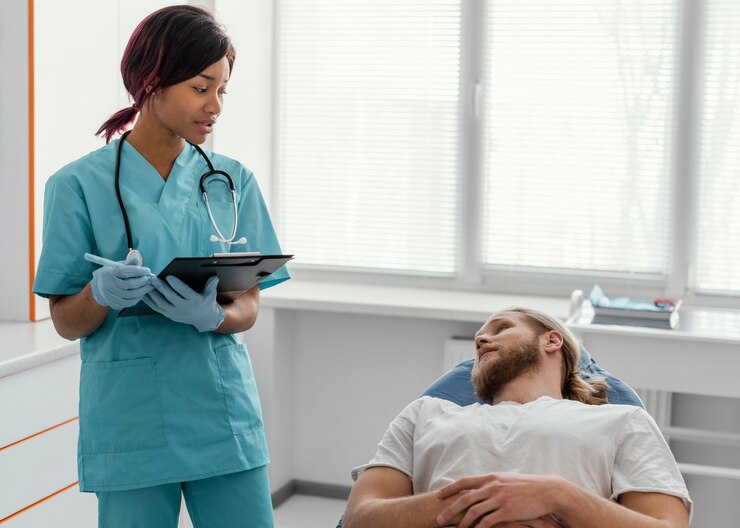
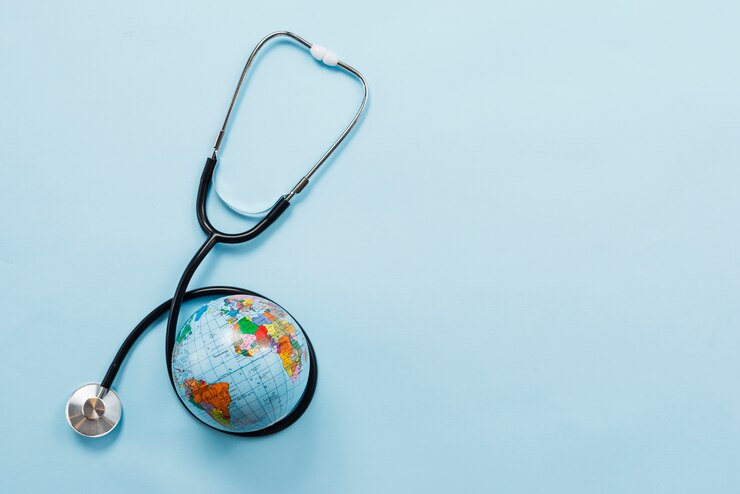
    When Americans travel overseas, it is usually either for business or pleasure. Many American companies have offices overseas as well as foreign companies having offices here. In addition, tens of millions of Americans travel overseas for vacations. Another area that has seen an increase in overseas travel is medical procedures.

    Americans, Canadians, and people from many European nations are seeking medical care in many disciplines overseas, for ease of access, but primarily for cost-saving measures, and sometimes to combine a vacation with a medical procedure. Over 1 million Americans traveled overseas for healthcare in 2008 and the number is expected to increase. Part of that increase is due to the fact that healthcare costs in the US continue to rise. As employers are looking for ways to contain healthcare costs, sending employees overseas for less expensive procedures is met with increasing interest. For Canadians and other patients from countries with socialized or government-based medical care, the long waiting lists are the impetus for seeking care overseas. As an example, almost 1,000,000 Canadians spent 10 weeks on average on a waiting list prior to surgery. The waiting list for joint replacement can be as long as six months.

    Although cosmetic surgery is the first thing that comes to mind, cardiac and orthopedic surgery as well as dental procedures and fertilization procedures are becoming more popular overseas. Many patients have high out-of-pocket expenses when they have the procedure performed here. Knee replacement surgery in Colombia using FDA-approved prostheses cost $5000 including hospital stay. Cardiac surgery in India costs less than $15,000 including airfare, as opposed to as much as $200,000 in the US.
    Over 50 countries now are destinations for patients seeking medical care. Many of these procedures are performed by physicians trained in the US who are highly skilled. I have seen patients, in follow-up, in my practice who had gone to Thailand for facelifts and I was quite impressed with the results. But as we all know “caveat emptor”, let the buyer beware.

    There are travel agencies that specialize in medical tourism. The medical tourism provider will review your medical history and help you plan where to have your procedure done. They also arrange your medical consultation and surgery as well as travel and hotel arrangements. Because some patients will also use this as an opportunity to vacation, the travel agency will schedule side trips or a trip at the beginning or at the end of your medical visit.

    The American Society of Plastic Surgeons has useful information on their website www.surgery.org, for patients seeking cosmetic surgery overseas and their recommendations should be followed for any medical procedure.

    It’s important to note that the agency that you’re using is accredited. The Medical Tourism Association is an association whose members are top international hospitals, healthcare providers, medical travel facilitators, insurance companies, and other affiliated companies and members with the common goal of promoting the highest level of quality of healthcare to patients in a global environment.

    It’s also important to know the qualifications of the surgeon and if he is a member of accredited international societies. For cosmetic surgery, the International Society for Aesthetic Plastic Surgery is a good reference as well as being an affiliate member of the American Society for Aesthetic Plastic Surgery (ASAPS). The qualifications of the anesthesia and nursing staff are also important. Make sure that you know who’ll be caring for you while you are there and who is financially responsible for secondary or additional procedures. This brings us to another big concern, that is, what recourse do you have if there is a complication and if the surgeon or the hospital staff have been negligent? In most situations, there is no recourse. You would be financially responsible for any revision work done once you return to the United States.

    Lastly, you need to consider the country are actually going to. Many Americans go to Mexico for cosmetic surgery, but with the recent kidnappings and gang violence, this is a major concern for anyone going south of the border.
  • Medical Tourism Part Two

    Medical Tourism Part Two

    medical-tourism

    We’ve previously discussed medical tourism and how it is rapidly becoming a very popular endeavor. According to Deloitte, 750,000 US citizens traveled abroad for medical care in 2007 and 400,000 people came to the US for care. Both of these numbers are expecting to increase significantly.

    Patients seek healthcare options when local care does not meet their needs. These may be a financial issue, a quality of care issue or an accessibility issue. For most Americans going overseas it is a financial issue. Not only are cosmetic procedures less expensive but also reconstructive procedures such as joint replacement surgery, cardiac surgery, and fertility surgery. Healthcare insurance companies in the US are even encouraging their patients to have procedures done overseas where they are less expensive.

    Countries such as Canada and the UK, which have accessibility issues due to socialized medicine, traveling to the US which is known as having the best care healthcare, is an important destination. So are other countries that have US-trained physicians and first-rate facilities. Patients in countries that don’t have first-rate healthcare facilities will often seek healthcare in the US.

    The big concern for patients seeking overseas medical care is finding a quality facility with a quality healthcare provider in a country that is also safe to travel to. An organization called the World Medical Tourism Association is an organization that seeks to promote affordable quality healthcare and helps arrange for patients these services. They screen healthcare providers and facilities both domestically and in foreign countries. They also facilitate travel arrangements and postoperative care once they return to their home country. One of these companies is MedVoy, based in Denver and run by a physician will who is a professor at the University Colorado.

    I have seen patients in my practice who have had cosmetic procedures done in foreign countries. Some of the results have been quite good, but some have had poor results. The problem with going overseas is that patients have no recourse and that secondary reconstructive work done once the patient returns here could end up costing more than the initial surgery would’ve cost of the would’ve been done here.

    If a patient is contemplating overseas surgery, they should thoroughly investigate the process, consult the Medical Tourism Association, and be fully aware of the risks and benefits involved.

  • Varicose Veins FAQs

    Varicose Veins FAQs

    varicose-veins

    What are the symptoms of varicose veins?

    Some people with benign varicosities do not experience discomfort, but those with long-standing varicose veins experience the following symptoms: · Throbbing or aching pain and heaviness in the legs · Visibly enlarged blue or purplish veins · Mild swelling of ankles · Muscle cramping · Itching around the veins · Skin discoloration at the ankles · Skin ulcers near the ankle in severe cases

    What causes varicose veins?

    Varicose veins are swollen veins that bulge to the skin’s surface. They sometimes become tortuous or twisted. They occur due to weak valves in the veins (valves prevent blood from flowing backward), which can no longer “open-shut” properly when the leg muscles pump the blood back to the heart. This results in the pooling of blood in the veins, causing them to get larger. Although varicose veins occur in other parts of the body (varicose veins in the groin, hemorrhoids, and spider veins in the face), the feet and legs are subject to greater pressure and weight due to gravity. Standing and walking increase pressure in the veins in the lower half of the body. This is why they are most common on the backs of the calves or on the inside of the leg.

    What increases the risk of varicose veins?

    More than 80 million Americans suffer from varicose veins of unknown origin or for having the following risk factors: Defective valves from birth. This usually happens when the family has a history of defective blood vessel valves. Prolonged standing. The weight of the body puts great pressure on the veins and gravity weighs down on blood flow. Long periods of sitting and crossing of the legs. Blood flow is impeded due to the inactivity of the muscles during prolonged sitting and pressure with the frequent crossing of the legs while sitting down. Sex. Varicose veins are more common in women than in men. Roughly 25 percent of women and 15 percent of men are affected. Pregnancy increases pressure in the abdomen and obstructs blood flow within the pelvis. The extra weight further imposes a load on the legs. Female hormones are said to relax the veins. Hormonal changes that occur during menstruation, menopause, and pregnancy increase blood flow and volume of blood. Obesity. Larger body mass means greater load and pressure on the lower extremities. Age. The valves eventually become loose and weaker as health deteriorates and the body ages.

    What can be done to prevent varicose veins?

    Prevention early in life and keeping the varicose veins from worsening may avoid complications such as leg ulcers, vein rupture, and chronic (persistent) inflammation of the veins. Exercise. Good circulation and muscular activity enhance normal blood flow in the veins. Ankle pumping exercise, which mimics calf movement during walking, is good for recirculating body fluids in the feet. It is done by flexing your ankles (up and down) at least 10 times from time to time during long periods of sitting or standing. Avoid standing or sitting for prolonged periods. Change positions from time to time and move around at least every 30 minutes. Don’t cross your legs when sitting down. Making crossing legs a habit will eventually lead to varicose and spider veins (small varicosities). Elevate the legs as often as possible. This aids venous return of blood. Take short breaks and elevate the legs above the level of the heart. Elevation also provides temporary relief. Pregnant women can lie on their left side with their legs elevated on a pillow. Lose weight and watch your diet. Avoid a high-salt diet because it promotes water retention and bloating. Avoid tight-fitting clothes and high heels as much as possible. Loose clothing allows for better circulation and imposes no pressure on the blood vessels. High heels make for overworked calf muscles that are supposed to pump blood back up to the heart. Find alternatives to birth control pills/hormone replacement. Female hormones such as estrogen can contribute to the formation of varicose veins.

    Will compression stockings really treat varicose veins?

    Compression stockings do help with the treatment of varicose veins. Wearing elastic support stockings, hose or socks do not remove the varicose veins but they prevent the worsening of symptoms and alleviate discomfort from pain and swelling. They also reduce the risk of blood clot formation (thrombophlebitis) due to prolonged sitting, such as in long planes and car rides. The stockings apply gradient pressure with the highest compression around the ankles and loosen pressure gradually as they go up the leg. This reduces the pooling of body fluids in the lower extremities.

    What are my varicose vein treatment options?

    If you have leg pain or discomfort that does not improve with self-care (such as wearing compression stockings, leg elevation, and other conservative techniques), skin ulcers or sores, sudden leg swelling or you want to improve the appearance of your legs, you have surgical and noninvasive options. Surgical treatments include · Vein stripping – Removal of the problematic vein, which may involve its main trunk. · Phlebectomy – A minimally invasive removal of the varicose veins through tiny punctures or incisions (2mm to 3mm) in the skin above the veins. · Vein ligation – Shutting off the problematic vein by tying around it, cutting off blood flow and making it shrink. Nonsurgical treatments do not involve surgery: · Sclerotherapy – A common treatment for varicose and spider leg veins in which a solution is injected into the veins to make them shrink and disappear. · Laser ablation – Also called endovenous laser treatment, an optical fiber is inserted into the vein, and light is shone on its interior causing it to heat up, collapse and shrink. · Radiofrequency ablation – An ultrasound-guided catheter (small tube) is inserted into the vein and then soundwave energy is used to burn up and destroy the abnormal vein, which will eventually disappear.

    Is it OK to postpone varicose vein treatment?

    If you have varicose veins due to pregnancy, wait and see after you gave birth. The enlarged veins generally improve within a few months after delivery. Please take note, however, that worsening symptoms like persistent pain and swelling may be a sign of a serious underlying venous disorder. Also, varicose veins are a precursor of critical circulatory conditions like embolism, a dislodged blood clot that could cause heart blockage or stroke.

    Do varicose veins have to be treated in a hospital?

    Because of modern, minimally invasive treatment techniques that are now available, procedures can be performed in the doctor’s office or in an outpatient clinic. State-of-the-art technology has made vein treatment simpler and faster. And there’s minimal to no downtime, less chance of scarring, and little discomfort.

    How many treatment sessions are required?

    For most varicose veins treatments, one treatment session is enough. However, for noninvasive treatments like sclerotherapy, patients may desire further injections for optimal results. The number of sessions required depends on the depth, number, and size of the veins and the kind of treatment used.

    Are there any side effects?

    With nonsurgical or minimally invasive treatments, complications are uncommon and any discomfort after treatment will disappear quickly. Some mild bruising, itching, or swelling at the injection site is normal but will resolve in a few hours. Over-the-counter medications or topical anesthesia can be used for any pain and compression bandages for any swelling.

    How long will the treatment session take, and will I be able to return to normal activity immediately?

    With vein stripping, the surgery takes about 1 to 1-1/2 hours and you can resume normal activity in 2 weeks. Most nonsurgical or minimally invasive procedures, on the other hand, take only about 15 to 30 minutes to perform. The patient is able to walk after the procedure and is usually discharged after an hour. Walking after treatment is encouraged to prevent blood clots and promote blood flow, although lifting or strenuous activities are not recommended for a few days.

    Is it possible to cure or remove the varicose veins in my arms and spider veins in my face?

    Yes, sclerotherapy and laser and pulsed light treatments are used for the removal of spider veins and smaller varicose veins. However, prominent arm veins are generally not recommended for varicose vein treatment if they are normal. Prominent normal veins in the arms and hands are often taken for varicose veins. It is thus important to find out if the enlargement is due to varicosity before treatment is performed.

  • Complication or Unrealistic Expectations

    Complication or Unrealistic Expectations

    Complication or Unrealistic Expectations

    In my 25 years as a plastic surgeon, I have seen over 20,000 patients. When they first come in for a consultation, I ask them what it is about the looks that bother them. For some patients, it may be as minor as a mole or birthmark and for others, it may be a total body makeover.

    It is important that the patient has an understanding of the risks of a procedure as well as what the realistic outcome would be. I explain to patients that any procedure carries certain risks, such as infection, poor wound healing, bleeding, and scar tissue formation. Some procedures have higher risks because of the nature of the procedure itself.

    It is also important for the patient to understand that even a procedure that is well done and has no complications may not give them the results they are looking for. Patients with unrealistic expectations may shop for different doctors until they find one who promises to give them what they are looking for, only to be disappointed afterward. In the highly competitive cosmetic surgery field, not only our plastic surgeons treat patients but also dermatologists, ENT physicians, family practice doctors, emergency room physicians, and gynecologists. Not all cosmetic surgeons are equally trained or skilled. Some cosmetic surgeons try to sell the patient an operation that they don’t necessarily need or won’t deliver what they’re looking for. A disappointed patient will then think that the surgeon “messed up the procedure” or that the operation didn’t live up to its billing.

    It takes an experienced knowledgeable plastic surgeon to evaluate the patient competently and be truthful about what they can and cannot do. I offer my patients different alternatives for the problem, explain the limitations of each procedure, and work with them to provide a treatment that is reasonable for their needs.

  • Body Contouring: The Easy Way

    Body Contouring: The Easy Way

    body-countering

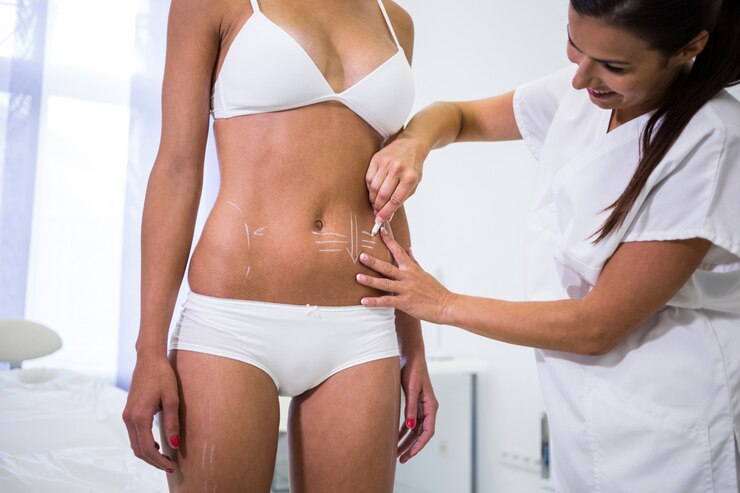
    Thanks to the latest technology, contouring your body without surgery has never been easier.

    Here is a fact…

    Even when you lead a healthy lifestyle, it is common to see yourself in the mirror and like what you see, except…

    … that little extra fat on the belly, or those pesky muffin tops that won’t go away, or that little extra bulge on the thighs that ruin your silhouette.

    The good news is you can shrink those stubborn pockets of fat and claim the body you’ve been working out so hard to contour.

    Men and women are now turning to CoolSculpting, to look and feel their best in their own skin.

    Wouldn’t you love to slip into a swimsuit and relax by the pool or beach without feeling self-conscious about certain imperfections?

    Or fit into your favorite pair of jeans like you use to? Or show off your curves in all the right places in that sexy little black dress?

    You’re not alone!

    If you’re finally ready to see the results exercise and dieting alone haven’t provided, it’s time to consider CoolSculpting – the #1 fat-reducing treatment in the world.

    What exactly is  “CoolSculpting”?

    CoolSculpting, also referred to as cryolipolysis, is an FDA-approved treatment in which unwanted fat cells are targeted and literally frozen.

    CoolSculpting uses innovative technology to zero in on these microscopic fat cells in a non-surgical way that is both safe and effective – helping you achieve the body contours you’ve been working hard to pull off.

    Fat cells are extremely vulnerable when exposed to cold temperatures. They crystallize and break down to the point of no return. Cool, right?

    Essentially, once the freezing of the fat is completed the cells die off.  And over a period of a few weeks, the body eliminates these dead cells, leaving behind a more contoured you.

    It Started with a Popsicle

    Did you know the #1 fat reduction procedure started with an observation related to popsicles?

    Years ago, scientists at Harvard University noticed that some children who ate popsicles got dimples on their cheeks.

    The scientists — Dieter Manstein, MD and R. Rox Anderson, MD — realized the popsicles were freezing and destroying small pockets of fat cells. This remarkable discovery was the vision behind cryo lipolysis, the science on which the CoolSculpting treatment is based on.

    Reshape Your Body

    Ready to love what you see in the mirror, from every angle?

    Whether you’re looking to contour the areas of your abdomen, thighs, chin, flanks, or upper arms, CoolSculpting may be the right solution for you.

    Gone are the days when one had to go under the knife to sculpt the body – CoolSculpting is the cool, new non-surgical treatment to attack stubborn fat without ever breaking the skin.

    In fact, the treatment takes as little as an hour, depending on your specific treatment plan. And you can be in and out of the office in the span of a lunch break!

    Even better? You don’t have to take the day off as there is no recovery period required!

    Who is the Right Candidate for CoolSculpting?

    Although body contouring is most popular with women, the CoolSculpting procedure works well for men as well.

    It’s highly effective for those who have plateaued in weight loss or have persistent pockets of fat which won’t go away with any amount of dieting or exercise.

    The CoolSculpting procedure is perfect for men and women who are close to their ideal weight but have stubborn bulges of fat in and around the:

    • Abdomen
    • Flanks (sides)
    • Inner and outer thighs
    • Love handles (muffin top)
    • Upper arms

    The CoolSculpting treatment is NOT for those seeking significant weight loss or with certain medical conditions. Make sure to check with a CoolSculpting specialist to find out if you are a suitable candidate for CoolSculpting!

    How CoolSculpting Works

    As mentioned before, CoolSculpting works by freezing fat which is later eliminated by the body. The procedure safely delivers precisely controlled cooling to gently and effectively target fat cells underneath the skin.

    Over time, when the fat cells have frozen and died, your body naturally removes these dead cells from your body, leaving you with a more contoured shape!

    Additionally, CoolSculpting results are long-term due to the fact that fat cells do not regenerate. Once they are gone, they are GONE for good!

    Approved by the FDA, CoolSculpting is a safe fat-removing alternative to surgery with a remarkable track record. It’s no wonder CoolSculpting is the #1 fat-eliminating treatment in the world!

    More than 6 million treatments have been performed worldwide.

    What to Expect with CoolSculpting

    The first step to receiving your life-changing CoolSculpting treatment is having an in-office assessment with your CoolSculpting specialist.

    During your visit, you and your CoolSculpting specialist will discuss your goals. Together, you’ll survey the areas you would like addressed.

    Since everybody is different, every CoolSculpting treatment plan is also different. Your CoolSculpting specialist will tailor the right plan for your needs. Your customized plan may include multiple body areas – like the thighs and abs.

    On treatment day…

    • A gel pad will be placed on your skin, over the targeted area(s)
    • The CoolSculpting applicator will be applied which will deliver controlled cooling to the targeted fat cells
    • You’ll feel a cold sensation initially but this tends to fade after a few minutes, as the area numbs
    • You are free to read a book or magazine, check your email, or even take a nap during the procedure
    • Once completed, you’ll walk out of the office with the opportunity to go back to your daily routine! Patients often return to work the same day after their treatment

    What to Expect After the Procedure

    Following the CoolSculpting procedure, you may experience a few mild side effects which may include:

    • redness
    • swelling
    • blanching
    • bruising
    • firmness
    • tingling
    • stinging
    • tenderness
    • cramping
    • aching
    • itching
    • skin sensitivity.

    These side effects are temporary and typically resolve after a few days, and in rare cases, a few weeks.

    Following the procedure, you may notice results in as little as 3 weeks. However, as your body continues to flush out those unwanted dead fat cells, you’ll continue experiencing a more contoured appearance. This process may take up to 4 months.

    With your new contoured body, your clothes will fit better and your confidence levels will no doubt rise sky-high! The long-lasting, natural results will have you feeling like you’re on top of the world.

    Remarkable CoolSculpting Advantages

    Compared to invasive surgery and liposuction procedures to eliminate fat, CoolSculpting advantages include:

    • Non-invasive and non-surgical
    • No needles
    • No anesthesia
    • Little to no downtime
    • The results are permanent as fat cells do not regenerate
    • No scarring
    • Incredible results

    While some patients are happy with their results after just one CoolSculpting treatment, 2 or 3 treatments may be needed to see significant results.

    Are you Ready to Have a More Contoured and Sculpted Body?

    If you’re ready to feel more confident in your body and you are interested in receiving the CoolSculpting procedure, it’s time to give Advanced Plastic Surgery Centre a call. It all starts with a no-obligation consultation to make sure you are the right candidate!

    There’s no reason to wait for another second and deny yourself the opportunity to become more confident, beautiful you! Give us a call at (480) 917-4675 TODAY.

    Frequently Asked Questions

  • 4 Little Known Benefits of Hormone Replacement

    4 Little Known Benefits of Hormone Replacement

    HORMONE REPLACEMENT THERAPY


    Who wouldn’t want to enjoy life to its fullest potential with vibrant energy and an abundance of zest?

    There is nothing more invigorating than having a strong body, a positive attitude, and a clear mind to take on any activity, right?

    However, that’s not always how it goes.

    You might wake up in the morning feeling ready to attack the day, but by noon your energy levels are depleted.

    Or as you go through your day working away, you find it hard to concentrate on even the simplest task because of mental fogginess.

    And don’t even think about slipping in between the sheets that evening… because the libido ship sailed long ago and getting “in the mood” is virtually impossible.

    While some men and women may think these symptoms are completely normal or typical aging signs, it might be something you can remedy, as these are signs of…

    A hormonal imbalance!

    Not only does a hormonal imbalance affect your energy levels, sex life, and mental clarity, but it also affects a number of other bodily functions.

    Symptoms of a hormonal imbalance include:

    • Inability to lose weight
    • Irritability and mood fluctuations
    • Always being tired
    • Tender breasts
    • Hard to focus
    • Heavier periods
    • Mental fogginess
    • And more.

    The good news is…

    All of these symptoms can be alleviated with one easy treatment… bio-identical hormone replacement therapy, or BHRT for short.

    A safe and effective customized treatment to help you take your life back.

    However, hormone replacement therapy does more than just help you revive your libido, sharpen your mental focus, and minimize mood swings!

    Let’s take a look at the latest benefits and discoveries hormone replacement therapy has to offer…

    4 Underrated Benefits of Hormone Replacement Therapy

    1. Wards off osteoporosis

    For more than 50 years, it’s been recognized that people who have low estrogen levels suffer from bone loss. And, as time goes on, this bone loss eventually turns into osteoporosis – otherwise known as a condition in which the bones are weak and brittle.

    With the help of hormone replacement therapy, the risk of suffering from osteoporosis can be minimized, as numerous studies have shown estrogen reduces the risk of bone and hip fractures!

    Hormone replacement therapy can help you get your estrogen levels back up to normal, so you can get back out into the world in full swing. Who else wants strong and sturdy bones for the future?

    2. Groundbreaking alternative to chemotherapy

    In a recent study involving 10,273 women with some variation of breast cancer, one group of women received normal chemotherapy and the other half received a form of cancer treatment involving hormone replacement therapy.

    And the results were shocking!

    Scientists found that there was no significant difference between the women who received chemotherapy and the no chemotherapy group.

    In other words, the results between the women with breast cancer who received normal chemotherapy treatment and the women who received BHRT achieved the same results – minus the side effects.

    Additionally, the study also has the potential to improve access to health care, by keeping costs down for women who will not need chemotherapy!

    But what does this mean for women who don’t have cancer? Well, in addition to fighting cancer, it can also help ward it off!

    3. Reduced rates of heart disease

    In 2002, the Women’s Health Initiative (WHI) started a clinical trial that was cut short because the study showed hormone replacement therapy caused breast cancer and heart attacks – though no evidence was found.

    Even though no significant findings were proven, the press about the study spread like wildfire, and many women, scared by the news, discontinued taking hormone replacement therapy.

    But things have changed.

    One of the principal investigators in the WHI study, Professor Langer, wrote a recent paper discussing how that study was wrongfully ended due to insignificant evidence. He also points out results suggested a reduced rate of breast cancer with HRT and reduced rates of heart attacks in women who were less than 60 years old when they began HRT!

    Ultimately, those positive results were overshadowed by the fear stirred up by the initial paper. If you had a choice, wouldn’t you want to have a strong heart with a minimized chance of heart disease? Well, you can – with the help of hormonal replacement therapy.

    4. Alleviates vaginal dryness

    While hormone replacement therapy is a fantastic treatment for menopausal symptoms, like hot flashes, night sweats, insomnia, and emotional instability, one overlooked benefit is that it also helps alleviate vaginal dryness!

    There’s nothing worse than becoming intimate with someone, only to experience painful sex due to dryness below the belt, right?

    With BHRT, you can revive and restore your vivacious sex life by banishing that frustrating vaginal dryness – and you aren’t the only one who’ll love this!

    About Bio-Identical Hormone Replacement Therapy

    Bio-identical hormone replacement therapy, also known as menopausal hormone therapy, is a safe and effective treatment to balance out your hormones so you can take back your life.

    If you’re suffering from:

    • Lack of energy.
    • Trouble getting to sleep or sleeping.
    • Mental fogginess.
    • Mood swings.
    • Hot flashes.
    • Vaginal dryness.
    • Low libido.
    • Or the risk of osteoporosis.

    Hormone replacement therapy might just be right for you.

    But how exactly does this treatment work? Estrogen – with or without added progestogen – is delivered through a small pellet, which is about the size of a grain of rice.

    However, this type of treatment isn’t a one size fits all kind of thing.

    Each and every person who takes hormone replacement therapy receives a customized plan to deliver just the right amount of hormones for his or her body.

    Not only is hormone replacement therapy safe and effective, it’s also extremely convenient, as the pellet doesn’t need to be replaced until after 3-4 months in women and 5-6 months in men.

    Hormone replacement therapy might just be the answer to restore and revive your vitality.

    So, let me as you again, who wouldn’t want to enjoy life to its full potential with energy and zest?

    If you’re ready to learn more about hormone replacement therapy, give our office a call today and schedule a no-obligation consultation.

    Frequently Asked Questions

  • Botox Injections: The Beginner’s Guide

    Botox Injections: The Beginner’s Guide

    botox-injections-the-beginners-guide


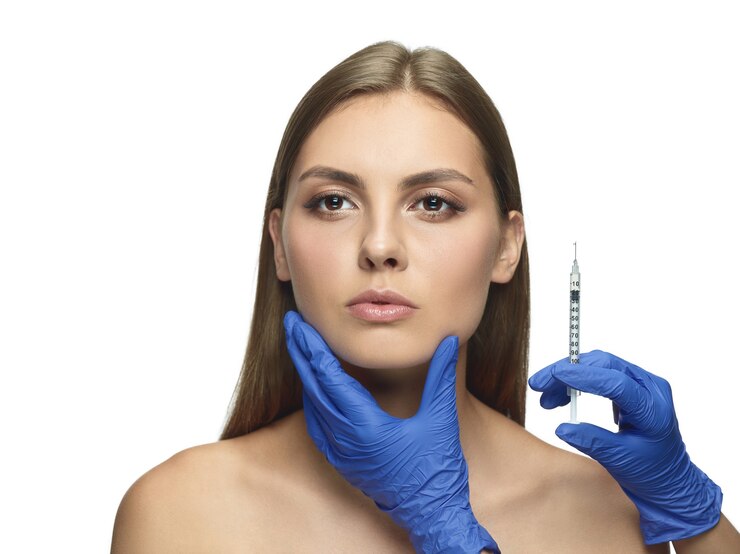
    You have probably thought about getting Botox injections for some time, right?

    Perhaps the idea crossed your mind while getting ready to go out on a date… and noticed those pesky fine lines and wrinkles.

    Or maybe the topic has come up over Sunday Brunch or while hanging out with girlfriends. Whatever the case, you’ve considered getting Botox injections. Most women have.

    You’ve probably even done some light reading or research, only to stop short of booking an appointment.

    There are many reasons why women – and men – don’t take the plunge to get Botox injections. For instance, some women admit that it’s because they’ve seen horror stories about frozen expressions on reality TV or heard ridiculous stories of it destroying someone’s appearance.

    The truth is, there is a lot of misinformation about Botox injections out there! So before you officially decide if it’s an option for you, let’s separate Botox facts from fiction!

    Myth: Botox Injections are Poisonous

    One of the reasons why women stop short of trying out Botox injections is because they think it is dangerous and poisonous. However, that couldn’t be further from the truth.

    Fact: Botox Injections are Safe

    This myth does actually have a tiny bit of truth to it. Botox is actually a derivative of Botulinum toxin; it’s the purified protein version which basically means it is actually non-toxic despite its origins.

    Remember, that medical professionals inject Botox directly into your muscles in order to help them relax. It’s not actually absorbed into the bloodstream like other injections you may be used to receiving in a doctor’s office.

    You would actually need an astronomical amount of units before Botox injections would adversely affect your system. How much? About 200 to 300 times the number of units in a traditional treatment!

    Myth: Botox Injections will freeze  my expression

    You can probably blame your TV for popularizing this myth. I mean, who hasn’t seen a hilarious clip of a Botox lover whose face is comically frozen in a ridiculous expression? Realistically, though, a Botox treatment is not nearly as drastic as you’d think.

    Fact: Botox Injections reduce muscle movement

    If you are getting Botox for cosmetic reasons, chances are you are trying to slow down the visible signs of aging, like wrinkles or fine lines.

    In order to debunk the frozen face myth, it’s important to understand how Botox works. Studies show that wrinkles form from repeatedly using the many muscles in the face which are activated thousands of times a day.

    Botox injections radically reduce muscle activity. It temporarily reduces nerve impulses that tell specific muscles on the face to move. As a result, the muscles relax, smoothing out those unwanted wrinkles.

    It “is” possible to receive Botox injections and be left with a frozen expression. How do you make sure you are not a victim of a Botox blunder? Seek an experienced medical professional. Understanding the human anatomy and your specific goals will determine exactly how many units to inject in precise places so your results are natural and flawless.

    Myth: Botox Injections are for cosmetic use only

    Most of the discussions of Botox on TV, in magazines, or in blogs only talk about the cosmetic applications of Botox. It can do wonders to reduce visible signs of aging, but Botox actually has many other health benefits.

    Fact: Botox is an appropriate treatment for various conditions

    Did you know that Botox originally was not created for wrinkle reduction? In fact, Botox was originally formulated and approved by the FDA (Food and Drug Association) as a treatment for eye flickering and spasms.

    It actually did not even become a cosmetic treatment for fine lines and wrinkles until several years later.

    Now medical professionals will use Botox “off label” to treat a variety of conditions including:

    • Excessive sweating
    • Migraines
    • Muscular disorders
    • Strabismus (crossed eyes)
    • Bladder disorders
    • Bowel disorders
    • Gummy smile and more

    Myth: Botox injections are painful

    Botox is injected into muscle tissue using tiny needles. Most adults will admit that they still suffer from an inherent fear of needles they’ve had since early childhood. However, you do not need to be afraid of your first Botox treatment.

    Fact: Botox Injections are quick and cause very minimal pain

    The sensations felt from the injections are actually very manageable. Remember, medical professionals, use very fine needles to administer your Botox treatment.

    Because the needle is so small, most women report feeling nothing more than a slight sting immediately following the injection.

    If you’re still worried about the pain, you can always request that your doctor apply a gentle numbing anesthetic cream which will make the entire procedure almost painless.

    Myth: Botox is addictive

    The results offered by Botox do not last forever. In fact, most injections results only last about 3 to 4 months. Funny enough, many women believe that once you start getting Botox treatments you will have started an endless cycle and become dependent on your treatments.

    Fact: Botox does not have any addictive properties

    Remember, Botox’s main function is to slow down muscle contractions. There are no addictive properties in Botox. The assumption that stopping your Botox treatment will actually ruin your face by sending the aging process into hyperdrive, is honestly a little ridiculous.

    So what actually happens if ladies stop treatment?

    Remember, Botox is not permanent. In about 3 to 6 months, patients will start to see the effects of Botox wear off. If you do not continue treatment you will notice those pesky fine lines and wrinkles gradually reemerge.

    Now, getting Botox injections won’t make you an addict any more than your regular pedicure appointment will. Ladies tend to love the effects of Botox treatment, just like they love how their nails look after going to the salon.

    So, it’s actually the successful results of the treatments that keep ladies coming back, not some sort of addictive chemical within the injections.

    The Choice is Yours

    Now that we’ve covered the most common myths and misconceptions about Botox injections, it’s time to make a decision.

    Keep the facts in mind!

    Botox injections, are not a terrifying process that will leave you frozen and addicted. It’s a quick and virtually painless way to deal with many medical conditions, most commonly, premature signs of aging.

    Frequently Asked Questions

  • Vampire Facial: Trick or Treat?

    Vampire Facial: Trick or Treat?

    vampire-facial


    The vampire facial is the hottest new cosmetic trend to hit the beauty and skincare industry!

    It seems like whether you’re watching your favorite daytime talk show, scrolling through your timeline, or browsing the magazine rack at checkout you cannot escape the buzz.

    Kim Kardashian is probably one of the most popular personalities to try this procedure, but there are tons of other celebrities like Jennifer Aniston and Demi Moore that swear by it as their best-kept secret to keeping their skin glowing and youthful.

    The good news is that you don’t have to be a celebrity to give your skin the star treatment you deserve!

    So if you are looking for a new and innovative way to either prevent or even reverse the visual signs of premature aging, then getting a vampire facial may be the answer to your prayers.

    The Scoop on Vampire Facials

    Needless to say, Kim Kardashian’s selfie midway through her vampire facial was more than enough to set the internet ablaze! But, there’s actually so much more to vampire facials than eye-catching selfies.

    Where do we start? The name of course!

    Bloggers and social media influencers alike, refer to the procedure as the “Vampire facial,” because it uses your own blood. That also happens to be the trademark name of the treatment.

    The treatment is a combination of micro needling with growth factors found in the blood to revitalize your skin.

    The Secret is Growth Factors

    Most women have never even heard of growth factors and micro needling! So let’s go over the basics.

    Blood contains a protein that helps the body to naturally heal itself. Extracting this protein from your blood is a very simple process, in which a licensed medical professional carefully collects a sample of your blood, and uses a machine called a centrifuge to separate growth factors from red blood cells.

    What makes growth factors so unique? Your body produces growth factors to naturally heal, regenerate, and stimulate growth.

    growth factors are used to effectively stimulate healing and the production of necessary components your skin needs to stay vibrant and radiant, like collagen and elastin.

    Why Microneedling with Growth Factors?

    The micro needling treatment is basically using extremely thin needles to create micro punctures on the skin. This helps the skin absorb the growth factors into the skin.

    Worried about painful needles?  You don’t have to.

    Luckily, vampire facials are virtually painless. A numbing cream is applied to your skin making the experience almost pain-free.

    Why Is the Vampire Facial So Popular?

    There’s a reason why celebrities and beauty gurus around the world are raving about the Vampire facial! It has amazing benefits:

    • Reduces fine lines and wrinkles
    • Fades scars and age spots
    • Minimizes pores
    • Naturally plumps the skin
    • Dramatically improves dark circles and puffiness under the eyes
    • Reverses sun damage due to overexposure
    • Remarkably smooths skin into a flawless complexion

    Vampire facials are a natural way to heal your skin. It only makes sense to give it a try!

    You too can experience the benefits of healthy glowing skin without having to use harsh chemicals or dyes.

    Prepping for Your Treatment

    Before your vampire facial, it is important to follow the instructions provided by your medical professional to ensure you reap all of the amazing benefits the Vampire facial has to offer.

    The most common rules are to make sure you stay hydrated! Also, to avoid bruising, do not take any medications that can thin your blood like over-the-counter headache medicine.

    On the day of your treatment, keep makeup to a minimum, if any at all.

    After your skin is cleansed, a numbing cream will be applied. The numbing cream will take about 10-15 minutes to take its effect, then you’ll be ready for the actual treatment.

    The Vampire facial is a specific process and technique that has been perfected by Dr. Renolds, the inventor of the Vampire Facial.

    The treatment, from the numbing to the micro-needling and application of the growth factors, takes anywhere from 45 minutes to about an hour.

    Vampire Facial Recovery

    Every person reacts to the treatment differently, depending on the condition of the skin, age, and overall health.

    Nonetheless, side effects are mild. You can expect:

    • redness the first couple of days after your vampire facial
    • the skin may feel a little dry
    • the skin may flake off in certain areas

    Whatever the case, make sure you avoid anything that can irritate your sensitive skin like direct sunlight, makeup, intense exercise, steam rooms, and saunas for the first three days.

    When Will I See the Results?

    The science behind the Vampire facial confirms you can use growth factors found in your blood to naturally heal your skin over time.

    Many reports that they notice fine lines, wrinkles, and dark spots start disappearing after one Vampire facial. It is important to note that the full effect of one vampire facial may take up to 4 months.

    However, in order to get the most dramatic results, medical professionals recommend 2-4 treatments 4 weeks apart because results are compounding. In other words, each treatment builds on the previous.

    Because the Vampire facial is a natural procedure, it can be combined with other treatments without fear of complications.

    For example, you can also receive Botox or dermal fillers to add volume to your cheeks or lips to restore a more youthful appearance before or after a Vampire facial.

    Should I Try A Vampire Facial?

    After a certain age, your skin can become dry, dull, and blotchy.

    The wonderful thing about Vampire facials is that they allow you to turn back the clock. They are the newest and trendiest procedure in the cosmetic beauty industry for restoring and reinvigorating your skin.

    So, if you love the idea of trying out a process that is on the cutting edge of skincare, then you owe it to yourself to try it out.

    Think about it this way… What do you have to lose?

    Dull and dry skin?

    Dark spots and old acne scars?

    What about those pesky fine lines and wrinkles and those dark puffy bags underneath your eyes?

    Think about everything you can gain…

    You’ll finally have naturally glowing skin! You deserve flawless skin, without the makeup.

    The vampire facial will give you the confidence to flaunt your results. Just picture the reactions of your friends and family members complimenting you over your complexion and dying to know what your secret is.

    If you’re still not sure whether a Vampire Facial is the right treatment for you, book an appointment with a trusted medical professional today.

    They can answer any and all questions you may have about the treatment and help you make the right decision for your skin!

    Frequently Asked Questions

  • Get Spider Veins Free Sexy Legs

    Get Spider Veins Free Sexy Legs

    veins-free-sexy-legs


    Remember those days when you could wear anything and not have to worry about spider veins showing?

    There was something so positively delightful about confidently strutting your legs at the pool or anywhere else for that matter.

    However, over time, spider veins have a sneaky way of changing how we dress and shooting down our confidence. Don’t let another day come and go hiding under long pants or coverups, or missing out on the perfect beach day.

    Who Gets Spider Veins

    Spider veins are most common as you get older and women tend to get them more often than men. Although sunlight can cause broken blood vessels on the face, spider veins are most common on the legs.

    There are many factors that contribute to the appearance of spider veins including:

    • genetics
    • pregnancy
    • gender
    • age
    • hormone imbalances
    • lifestyle
    • exposure to sun

    Today you are going to learn simple ways to get rid of, slow down, or even prevent spider veins, for smooth beautiful legs.

    Get Into the Action

    Good circulation is the mortal enemy of spider veins. Why? Spider veins emerge because veins become weak over time causing the blood to pool. Exercising regularly attacks two of the key causes of spider veins. It improves blood circulation and also lowers your blood pressure.

    Having trouble finding the motivation to stick to an exercise regimen? Join a local Zumba class or search for fun things to do locally like hiking, dance lessons, barre, or a number of activities that get you to move.

    If you are an exercise newbie or you are recovering from an injury, always consult a physician before jumping into a new exercise routine.

    Eat Like a Champ

    There is no reason to give up foods you enjoy while trying to reduce spider veins. The key is to find anti-inflammatory foods and foods high in anti-oxidants you enjoy and get rid of foods that don’t help your body naturally heal itself. For example, instead of snacking on a bag of potato chips, grab a handful of almonds or pistachio nuts.

    Your body can use high-potassium foods to halt water retention and strengthen weak veins. Leafy greens and salmon are high in potassium just like almonds.

    Elevate Your Legs

    Spider veins tell us a lot about your body. It’s evidence of poor circulation. Don’t worry, there are things you can do today to start living a healthier life. Next time, you’re hanging out on the couch catching up on your favorite show, keep your legs elevated. Aim for at least the same height as your heart.

    This slight adjustment can do wonders for swelling, as well as, discoloration. What you’re effectively doing is giving your body a helping hand. Your veins are having a tough time working the blood back up your legs. Not to mention, they are also fighting against the pull of gravity. Elevating your legs, at least, takes gravity and the pressure off of your veins so they can do their job.

    Spider Veins Aesthetic Approaches

    If you already have considerable veins showing, find a medical professional you can trust. If you are sick and tired of hiding your veins behind clothes and makeup then it’s time to work with a medical professional. Feel free to shop around and hear all about your options before you choose.

    Not all physicians are the same. For instance, some medispa offers laser treatments to address spider veins while others may use sclerotherapy.

    As a vein specialists, we make it our mission to stay on the cutting edge of the advances in medical technology, so we can ensure that our clients will fall in love with their results.

    Advanced Plastic Surgery Centre offers two tested and proven treatments to reduce spider veins in the most common problem areas such as the legs, face, and neck.

    VeinGogh

    Spider veins come in all sorts of shapes and sizes. VeinGogh is ideal for women who suffer from telangiectasia. These are the thin veins that tangle on your face and legs. VeinGogh is also incredibly effective at fading the appearance of “cherry angiomas,” small red blemishes caused by broken blood vessels.

    How quickly are results visible?

    Because VeinGogh is minimally invasive, it’s a speedy treatment with almost no downtime. You can start flaunting your flawless skin as early as a couple of days after the treatment. Our clients also love watching their skin continue to improve for several weeks.

    Sclerotherapy

    Women have been trusting sclerotherapy to treat their spider veins since the 1930s. It is the most effective form of spider vein treatment in the country. Just how popular is sclerotherapy? There are almost half a million people choosing sclerotherapy every year. Clients can expect the entire session to be pretty quick; anywhere from 20 – 30 minutes.

    How quickly are results visible?

    Your results depend on factors like health, medical conditions, lifestyle, and level of activity. If you want incredible results, then plan on getting anywhere from 4 to 6 treatments.

    Feel Confident Year Round

    You deserve to look and feel confident every day. You have nothing to lose other than those unsightly spider veins that are killing your “mojo”.

    If you need help deciding what option is best for you, give us a call at Advanced Plastic Surgery Centre in Houston. We can walk you through your options so you can have amazing results.

    Frequently Asked Questions

  • Treatment of Spider Veins

    Treatment of Spider Veins

    treatment-of-spider-veins


    Spider veins are those little bothersome blue, red, or purple veins that seem to develop in patches. Most spider veins occur on the legs. Although they are not a functional problem in and of themselves, they are the physical signs of a problem with the larger veins that control blood flow from the legs back to the heart.

    The larger veins in the legs contain one-way valves. Muscle action in the legs pushes the low-pressure blood flow through the venous system upwards and the valves keep the blood from pooling. Over time, these valves become incompetent and the blood backs up from the deep veins to the more superficial veins, causing spider veins to develop. The problem is more common in women particularly those who have had children, in obese patients, and patients that have jobs where they do a lot of standing such as teachers, waiters, nurses, and even surgeons.

    Once spider veins develop, the evaluation and treatment must determine whether there is a significant problem with the deeper system, that needs to be treated first. This includes varicose veins and obstruction of the saphenous vein system. Noninvasive studies including Doppler studies will help diagnose these problems. If a larger problem exists, the physician must treat this first, by either ligating the veins, which means tying them off, or using a laser placed inside the vein to obliterate it.

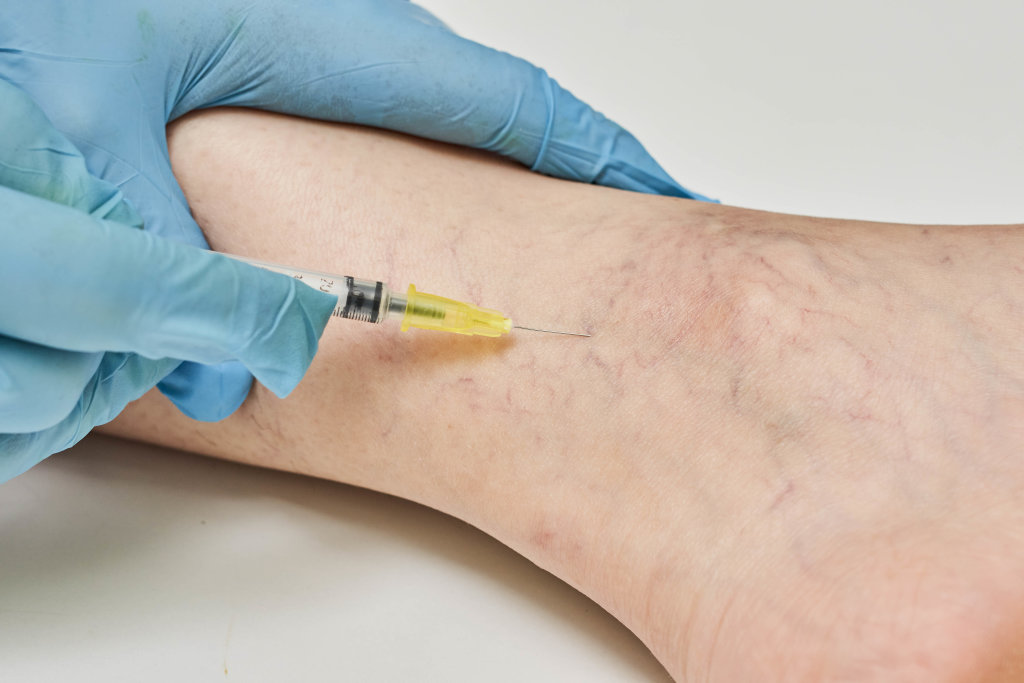
    The spider veins the most common treatment is sclerotherapy. This is a procedure where an irritant such as high concentrations of saline solution or a detergent is injected into the vein with a very small needle, to cause damage to the wall of the vein and obliterate it. If the vein is too small to insert a needle into, the laser has been shown to be effective.
    With either treatment, it is often necessary to treat a second or third time in the area where the spider veins are. Wearing a support hose helps to improve the tone of the legs and decrease the development of spider veins, but it’s difficult to wear a support hose in warm climates such as Houston. Elevating the legs during the day for even 15 minutes will also help with the problem. People that sit on cramped trains or planes for hours should get up every so often and stand on their toes and move the seat back and forth to help push blood through the system.

    Frequently Asked Questions