Category: Blog

  • Can Hormone Therapy Help Me Lose Weight?

    Can Hormone Therapy Help Me Lose Weight?

    flay-lay-scale-weights


    Weight loss is not as easy as magazines, late-night infomercials, and Instagram influencers want you to believe.

    There are so many reasons why your body may be packing on extra pounds. It could be a change in your diet, decreased levels of activity, or it could be evidence of a less obvious issue like a hormone imbalance.

    Studies show that men and women alike struggle with weight gain and are desperate for holistic solutions that really work.

    If you are sick and tired of wasting hours sweating on the elliptical or counting calories without success, then you’ve come to the right place.

    Advice from Your Primary Care Physician

    If you have tried traditional doctor-approved methods for weight loss and still haven’t seen “any” improvement, then it may be a sign your lack of results is caused by a hormonal imbalance.

    The good news is, once you get an assessment and understand how hormones work, you’ll realize that you do not have to suffer the many symptoms associated with hormonal imbalances.

    Multiple studies prove that hormone replacement therapy, or HRT, is an effective method for rebalancing your hormone levels and getting your life back to normal.

    The first step to reducing stubborn fat on your waistline is to learn the facts. Then you can decide if hormone therapy is the right choice for you.

    What Are Hormones and Why Should I Care

    Hormones are signaling molecules that carry information all over the body for it to function properly. Everything from your mood,  emotions, and hunger, to larger more complex processes like reproduction is controlled by the endocrine system.

    The endocrine system is a collection of glands that produce hormones.

    There are so many hormones constantly sending messages it can be hard to keep track; however, the more you know about specific hormones the more you can take an active role in controlling your weight.

    The Relationship Between Hormones and Weight Gain

    Low levels of certain hormones can affect how quickly and easily you are able to build muscle and store fat.

    Let’s start with testosterone. There is a common misconception that testosterone is somehow a “male” only hormone and therefore women do not have it. Truthfully, both men and women produce testosterone; men just produce more of it.

    As we age, both men and women can begin to see their testosterone levels drop. There are many symptoms associated with low testosterone.

    In general, whenever hormone levels decrease or increase, you can begin to feel less energetic and sluggish. That can make sticking to a consistent workout routine nearly impossible, thus slowly increasing your fat storage due to inactivity.

    Let’s say you are making it to the gym but you’re still not seeing the result. Your testosterone levels determine your body’s ability to build muscle. The more muscle you have, the more fat you burn. Rebalancing your hormonal levels will ensure that you are not wasting your time in the gym. You can start to see the results of your hard work.

    Stress, Hormones, and Weight Gain

    Here is how stress can cause weight gain…

    When you are put in a stressful situation the body goes into something called “fight” or “flight” mode. Immediately, the body starts churning out hormones which act as little messengers to protect you. We call these stress hormones.

    There is nothing wrong with stress hormones. In fact, stress hormones give us a boost of energy and endurance, and help us be more alert.

    Unlike our ancestors who used these stress hormones to prevent from getting eaten alive by predators, our body reacts to stress we may feel about a tight deadline at the office or making it on time to an important appointment.

    Cortisol, Adrenaline, and Norepinephrine are three of our most common stress hormones. Stress hormones slow down our metabolism which in turn increases our ability to store fat.

    Hormonal Imbalances Are Common

    If you believe you may be suffering from a hormonal imbalance, you are not alone. Of all individuals who suffer from symptoms associated with hormonal imbalance, around 80% are women and 20% are men.

    As it relates to weight gain, decreased testosterone levels can cause stubborn and persistent weight gain in our midsection.

    Excess belly fat can lead to other serious health risks.

    When it comes to the excess weight associated with hormonal imbalances, a body fat percentage of 35% or more for postmenopausal women means a higher risk of obesity-related heart and diabetes risks. The risks don’t stop there, in fact, you can also suffer from a higher total and LDL (bad) cholesterol and insulin resistance.

    Insulin is the primary hormone in regulating glucose levels in your blood. If your body builds up insulin resistance, then you are at a high risk of being diagnosed with diabetes.

    What is Hormone Therapy?

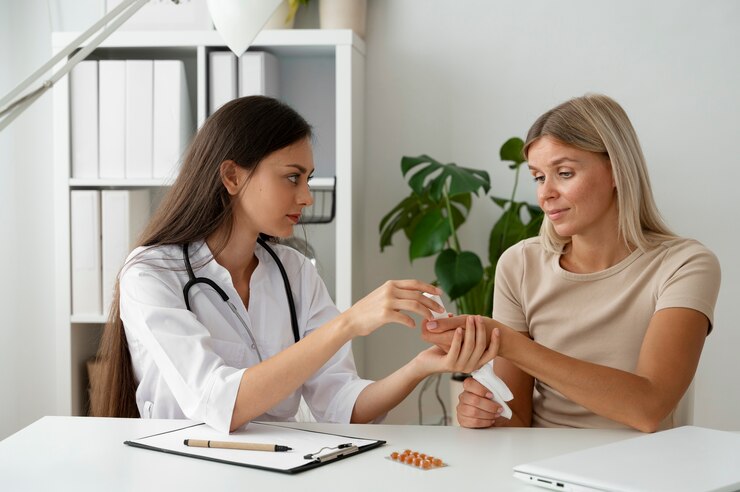
    Hormone therapy is a simple treatment in which a trained medical professional prescribes or administers hormones either by injection, on the skin, or under the tongue.

    Men and women around the world rely on hormone therapy as an effective treatment for a variety of symptoms, including weight gain. Based on a study released about the effects of hormone therapy on postmenopausal women confirms this conclusion.

    The study mentioned above included participants of 1,000 women between the ages of 50 and 80. According to the findings, the participants who were already taking hormones had lower levels of belly fat than women who had not taken hormones.

    Scientists are also hopeful that additional studies are proving hormone replacement therapy may also counteract insulin resistance.

    Hormone Assisted Medical Weight Loss Program

    Studies confirm that HRT is effective in helping to reduce belly fat. However, if you desire long-lasting results, then it is recommended you also avoid self-defeating habits that contribute to weight fluctuations.

    At Advanced Plastic Surgery Centre we believe in empowering our patients to make healthy lifestyle changes for long-term weight management.

    Along with our state-of-the-art hormone replacement therapy, we offer a comprehensive program to help you maintain your amazing weight loss results.

    Our Hormone Assisted Weight Loss Program includes:

    • Medical Testing
    • Physician Supervision
    • Weekly Consultations
    • Metabolic Testing
    • Plan for Success
    • DVD Reviewing the Program
    • Cookbook
    • Food Journal
    • Patient Guidebook
    • Tip Sheet

    If you’d like to know more about our medical weight loss solution, please don’t hesitate to call or drop by the office.

    The best way to determine if hormone therapy is right for you to is to speak with a hormone specialist who will take you through the process step-by-step and answer any and all questions you may have.
    Frequently Asked Questions

  • Lip Fillers: Ultimate Guide & Tips

    Lip Fillers: Ultimate Guide & Tips

    lip fillers

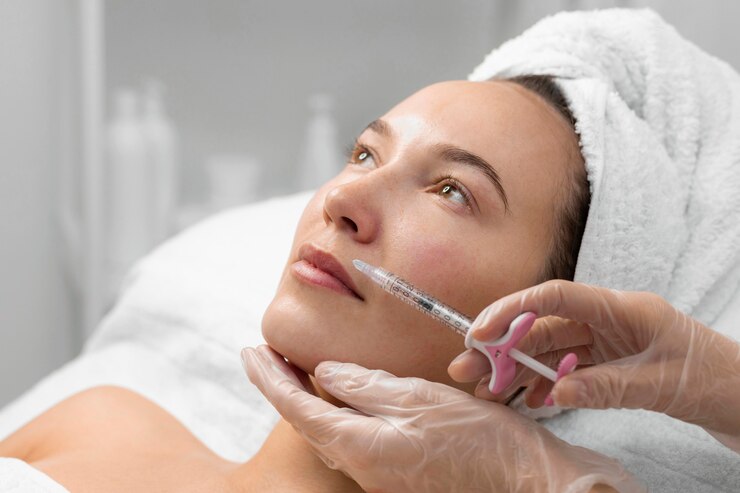
    Lip fillers have become increasingly popular as a non-surgical cosmetic treatment to enhance lip volume and shape. Whether you’re considering lip fillers for the first time or looking to learn more about this procedure, this comprehensive guide covers everything you need to know—from benefits and types of fillers to what to expect during and after treatment.

    What Are Lip Fillers?

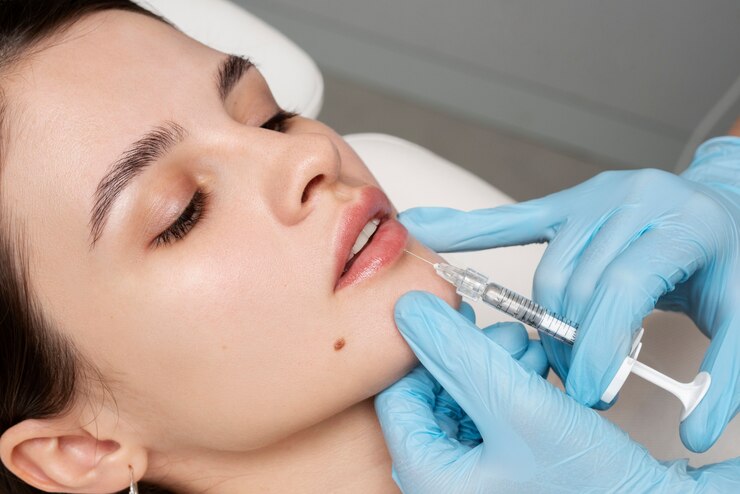
    Lip fillers are injectable treatments designed to add volume, shape, and definition to the lips. The most common type of lip filler is made from hyaluronic acid (HA), a substance naturally found in the body that attracts and retains moisture. HA fillers are preferred because they offer natural-looking results and are easily adjustable.

    Benefits of Lip Fillers

    • Enhanced Volume and Shape: Lip fillers can add fullness and improve the shape of your lips, creating a more balanced and youthful appearance.
    • Natural-Looking Results: With the right technique and product, lip fillers provide subtle and natural enhancements.
    • Quick and Minimally Invasive: The procedure is quick, typically taking less than an hour, with minimal downtime.
    • Temporary Results: The effects of lip fillers are not permanent, allowing you to adjust your look over time.

    The Lip Filler Procedure

    1. Consultation: Your journey begins with a consultation with Dr. Perlman. During this session, you’ll discuss your aesthetic goals, medical history, and any concerns you might have. Dr. Perlman will evaluate your lips and recommend the best approach to achieve your desired results.
    2. Preparation: On the day of the procedure, a topical numbing cream may be applied to minimize discomfort. The lips are then cleaned and prepared for the injections.
    3. Injection: Using a fine needle or cannula, Dr. Perlman carefully injects the filler into specific areas of the lips. The technique and placement are crucial for natural-looking results, which is why choosing an experienced injector like Dr. Perlman is essential.
    4. Post-Procedure Care: After the injections, you might experience some swelling, bruising, or tenderness, which typically subsides within a few days. Ice packs and over-the-counter pain relievers can help manage any discomfort.

    Tips for Best Results

    1. Choose an Experienced Injector: The skill of your injector is crucial for achieving natural-looking results. Dr. Perlman’s expertise ensures precise and aesthetically pleasing outcomes.
    2. Communicate Your Goals: Be clear about what you want to achieve with your lip fillers. Whether you desire subtle enhancement or a more dramatic change, effective communication with Dr. Perlman will help you get the results you want.
    3. Follow Aftercare Instructions: Proper aftercare is essential for optimal results and a smooth recovery. Avoid touching your lips, refrain from strenuous exercise, and stay hydrated.
    4. Plan for Swelling: Swelling is a normal part of the process, especially in the first 24-48 hours. Schedule your appointment at least a week before any significant events.
    5. Schedule Maintenance Appointments: Lip fillers are temporary, typically lasting 6-12 months. Regular touch-up appointments can help maintain your desired look.

    Conclusion

    Lip fillers offer a safe and effective way to enhance your lips, providing natural-looking volume and shape. At The Advanced Plastic Surgery Centre in Woodlands and Houston, TX, Dr. Joseph Perlman combines his expertise with a personalized approach to deliver exceptional results. If you’re considering lip fillers, schedule a consultation today to start your journey toward more beautiful, fuller lips.

    Contact us at The Advanced Plastic Surgery Centre to book your appointment and discover the transformative benefits of expertly administered lip fillers. Your perfect pout awaits!

    Frequently Asked Questions

  • Best Vein Treatment Options in Houston, Texas

    Best Vein Treatment Options in Houston, Texas

    best-vein-treatment-options


    Are you ready to treat your veins in the most reliable and efficient manner with the safest and proven treatments currently available to treat varicose and spider veins?

    You’ve come to the right place!

    Venous disease is a complex field, ranging from cosmetic concerns such as reducing the appearance of spider veins, to medical treatments dealing with pressure-overloaded deep veins that cause superficial veins to dilate and bulge.

    Best Vein Treatment Options

    Vein treatments date back over 2000 years. Today, you can enjoy absolute peace of mind knowing that Sclerotherapy, Vnus Closurefast, and VeinGogh treatments conducted at Skinovative of Houston, are performed by one of the most experienced doctors in the entire Southwest.

    Sclerotherapy and VeinGogh are the best solutions when it comes to treating smaller spider veins on the face and legs. VeinGogh is also effective in treating tangled, thread-like veins known as telangiectasia, as well as, cherry angiomas.

    For varicose veins, Dr. Perlman utilizes one of two highly effective treatments: Ultrasound Guided Sclerotherapy and Vnus Closurefast radiofrequency vein ablation.

    Before choosing a treatment option, a consultation with Dr. Perlman is necessary to assess your vein’s condition.

    Whether you have small spider veins on your face or unsightly varicose veins on your legs, you can rest assured Dr. Perlman will perform the best, most effective treatment that brings the results you are longing for.

    Benefits of Vein Treatment

    Dealing with spider veins and varicose veins when they first appear, is the best way to prevent veins from getting worse or requiring more invasive treatments. Depending on the severity of your case you can expect:

    • Possible relief from swelling, cramps, and leg heaviness
    • Maybe regain the confidence to wear short dresses and shorts
    • Enjoy physical activities without discomfort
    • Reduce the need for uncomfortable (and unfashionable) compression stockings
    • Possibility to resume regular activities immediately

    What To Expect During Your Consultation

    After being welcomed by our friendly and professional staff, you will be asked to complete a patient form in the comfort of our spa-like clinic.

    When you are ready, you will be escorted to your consultation room. During your consultation with Dr. Perlman, he will listen to your concerns and ultimate goals.

    Dr. Perlman will then assess the areas you wish treated, and explain your treatment options, including possible side effects and expected results. In some cases, you will also discuss how to maximize your results post-treatment.

    Together, you will come up with the most appropriate solution, uniquely tailored to your specific needs and requirements.

    During Your Vein Treatment

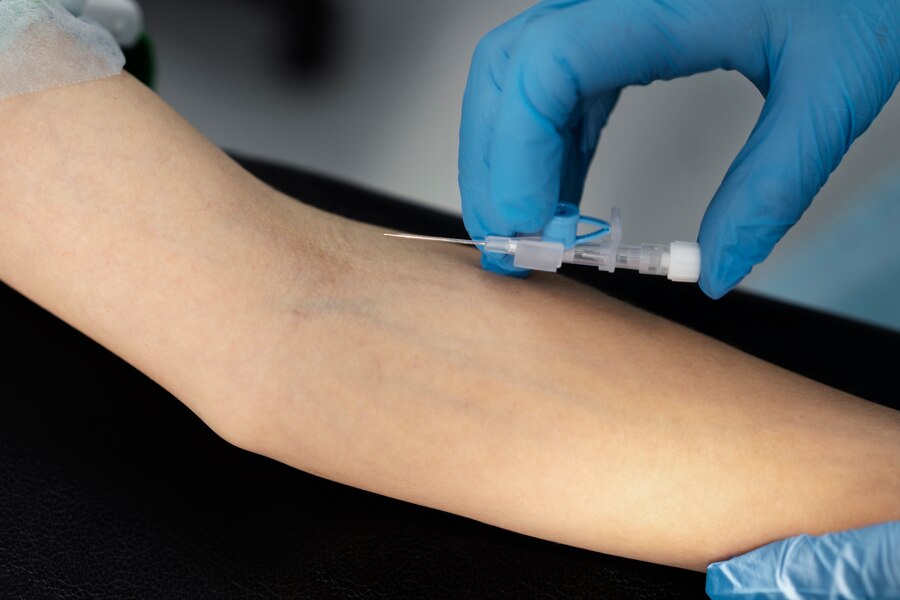
    Dr. Perlman will perform your mutually agreed-upon treatment for your spider veins and/or varicose veins using the latest technology and techniques.

    Ultrasound Guided Sclerotherapy, Vnus Closurefast radiofrequency vein ablation and VeinGogh high-frequency electrical energy present some of the most innovative, modern, and efficient solutions for treating both unsightly varicose veins and spider veins that surface on the face and legs.

    Treatments can take as little as 20 minutes, making it a great lunch break treatment. Our staff will ensure you are comfortable and relaxed. A numbing agent on the treated area will be used if necessary.

    In the vast majority of cases, you will be able to resume your regular activities after your treatment. In some instances, compression stockings will be needed and it may be advisable to refrain from exercising or lifting heavy objects. You will know this ahead of time.

    How Much Do Vein Treatments Cost?

    Sclerotherapy and VeinGogh treatments for spider veins are considered cosmetic treatments, and therefore, are not covered by most medical insurance.

    Nevertheless, the out-of-pocket cost (without insurance) to reduce unsightly veins from your face or legs starts at only $199 (check for a discount on our Special Offers page).

    Are Vein Treatments Painful?

    It’s worth noting that with the methodologies used at Advanced Plastic Surgery Centre, treatment is minimally painful. Bruising is expected with some varicose vein treatments which usually clear up in less than two weeks. You may not have to worry about any significant discomfort post-treatment.

    Vein Treatment Results in Your Desire

    During your consultation, it will be determined how many sessions will be necessary to reduce the unsightly veins completely.

    One of the major advantages of our therapies is that Dr. Perlman is able to treat veins of various sizes, skin types, and tones. In many cases, you may be able to see immediate results and a more pleasing appearance.

    As you continue to age, however, new veins or clusters of veins may surface. It is recommended that you check back with our office to take care of new spider veins or varicose veins early on before they become uncomfortable or unsightly.

    Don’t let unsightly veins change your style or lifestyle. Call Advanced Plastic Surgery Centre today at (480) 690-5573 to book a consultation with Dr. Perlman to assess and choose the best treatment possible.

    Frequently Asked Questions

  • Body Lifts after Massive Weight Loss

    Body Lifts after Massive Weight Loss

    body-lifts


    Obesity is one of the major health problems in the United States. It has increased dramatically over the last 40 years. Fast foods, lack of exercise, genetics, and poor diets have all contributed to the increase. It is estimated that 65% of American adults are overweight but it is not just a problem for adults. 30% of children between the ages of 6-19 are at risk for being overweight. In addition, one third of adults over the age of 60 are obese. Rates of obesity are higher in black and Hispanic women compared to their white counterparts. Obesity is associated with serious medical problems including hypertension, heart disease, diabetes, stroke, sleep apnea, and degenerative joint disease. Over the last 10 years, there has been a marked increase in operations to control weight gain. These bariatric surgeries are basically classified as restriction procedures such as gastric banding or malabsorption procedures such as gastric bypass. The number of bariatric procedures has increased from approximately 13,000 in 1998 to over 250,000 in 2008.

    These procedures will result in dramatic weight loss, in some cases up to 250 pounds. It goes without saying, that once a patient loses that much weight, they have significant skin laxity. Procedures developed during the last decade, to remove excess skin, are probably the most exciting area of plastic surgery development. Most of the procedures concern removing skin and fatty tissue between the shoulders and the knees. Procedures with names such as extended abdominoplasties, lower body lifts, extended breast lifts, arm lifts (Brachioplasty), and thigh lifts have been developed and refined to the point that they are a reconstructive subspecialty within themselves. Because of the time it takes to perform these extensive procedures, as well as potential blood loss, these procedures are performed in stages, usually 3-6 months apart. The patient’s general health, including their nutrition, needs to be assessed. Bypass patients have more nutritional deficiencies, including anemia and these problems need to be addressed in order to ensure that the patient is in the best health they can be, prior to undergoing these procedures.

    Frequently Asked Questions

  • 15 Botox Uses You May Not Know

    15 Botox Uses You May Not Know

    Botox injections


    Botox, which is short for botulinum toxin, has been approved by the Food and Drug Administration (FDA) for non-cosmetic purposes since 1978.

    Better known in recent years for its many benefits as an anti-wrinkle treatment, Botox has become a staple in the cosmetic industry.

    Botox is also regularly employed for medical purposes you may not be familiar with. It has more than 800 potential uses and science continues to find new ways to utilize it to address a wide range of medical conditions.

    Some medical uses of Botox have been approved by the FDA. However, like many other prescription medications, Botox is also used in ways considered “off-label.” It’s the huge potential in those off-label applications of botulinum toxin that’s creating excitement throughout various areas of the medical industry.

    Below are 15 ways Botox is used that you may have not known…

    1. Chronic Migraines

    The benefits of Botox for debilitating migraines were discovered by accident when those who received the treatment for cosmetic reasons reported a reduction in migraines. Botox was FDA-approved for the treatment of migraines in 2010 and the effects last approximately three months.

    2. Facial Spasms

    Blepharospasm is a condition marked by sustained and involuntary closing of the eyelids. The muscle contractions can be painful and range from mild twitching to forceful closure. Symptoms may last for only a few days, but typically return and can result in functional blindness. Botox is effective for disrupting the nerve impulses that cause the closing, blinking, and spasms, along with other conditions that cause spasms of the facial muscles.

    3. Excessive Underarm Sweating

    The effectiveness of Botox for treating excessive underarm sweating was discovered incidentally due to treatments for facial spasms. Physicians began to notice that their patients being treated for facial spasms weren’t sweating as much.

    An added benefit is that underarm odor was rated as less unpleasant in those who had Botox treatment. Approved for the use of excessive underarm sweating in 2004, it’s also used as a treatment for people experiencing excessive sweating on the hands and feet.

    4. Stress Incontinence

    Millions of men and women suffer from stress incontinence – involuntary urine leakage when you cough, sneeze, laugh, lift, and exercise. It can also occur during sex. Botox provides effective relief and improves the quality of life for anyone experiencing the embarrassment of stress incontinence. Results vary, but it can last for up to one year in some individuals.

    5. Dental Health

    Research is at the experimental stage for how Botox can aid in treating TMJ disorder, jaw tension, and lockjaw. Botox relaxes facial muscles to minimize symptoms and assist in reducing occurrences. It’s also effective if you’re having problems adjusting to dentures or when retraining facial muscles is required.

    6. Severe Neck Spasms

    Cervical dystonia is a disorder in which an abnormal head position results in severe neck pain. The FDA approved Botoxin 2000 as a treatment for the condition. Anti-inflammatory medications and physical therapy are the traditional treatments, while Botox disrupts pain signals that travel along neuro-pathways.

    7. Crossed Eyes

    Approximately 4 percent of Americans experience a condition commonly known as crossed eyes in which the eyes are misaligned and both don’t face in the same direction. The treatment is performed in-office and the eye to be treated is numbed first. The results typically last for 3-4 months and with repeated Botox treatments, the effects have the potential to last longer.

    8. Depression

    Though not FDA-approved, many clinicians are relieving the symptoms of depression is some patients with Botox®. Several studies have been conducted with promising results, but clinical trials are ongoing. In a 2014 study, 52 percent of people with major depressive disorder that were treated reported a reduction in symptoms six weeks later.

    9. Drooling in Parkinson’s Disease

    One of the unpleasant and embarrassing effects of Parkinson’s disease is drooling which can occur as a result of loss of muscle function. Researchers have found that Botox was effective in reducing the amount of saliva produced, resulting in less drooling.

    10. Muscle Stiffness

    Muscle stiffness can occur as a result of the aging process and a wide variety of injuries. Botox is being used to reduce muscle spasticity in the fingers, wrist, and elbow. It aids in alleviating the exaggerated jerk of deep tendons that can occur.

    11. Erectile Dysfunction

    Typically used to relax muscles, Botox may be a solution for men experiencing erectile dysfunction. While Botox hasn’t been used in human trials, it’s shown a great deal of promise in the lab by increasing blood flow to the penis. It’s believed the effects would last for up to six months, reduce the need for pills and pumps, and be especially beneficial for men with cancer or chronic diseases.

    12. Painful Sex

    If you’re one of the women that experience vaginal contractions or muscle spasms of the pelvic floor, Botox is being explored as a treatment for the painful condition. It relaxes muscles and stops them from making contractions that can result in pain during sex. Researchers estimate that the treatment can be effective for up to six months for some women, while it may be effective for up to a year for others.

    13. Abnormal Heartbeat

    After open heart and bypass surgery, many patients experience abnormal heartbeat patterns. Botox is being explored by the product’s makers as a preventative therapy against developing irregular heart rhythms.

    14. Cleft Lip Scars

    More than 2,000 babies are born each year with a cleft palate and an additional 4,400 have a cleft lip. Surgery has always been the method used to repair the problem, which can leave significant scars depending upon the severity. Some clinicians are working with Botoxas as a means to minimize the scars in infants left by the surgery. It’s an entirely new use for Botox and one that hasn’t been FDA-approved.

    15. Really Cold Hands

    If you’re one of the many people that regularly feel like your hands have been in a deep freeze, you’re not alone. Many people experience severely cold hands due to poor circulation, thyroid disease, or nervous system problems. It’s not approved by the FDA, but physicians who have worked with Botoxoff-label for the condition report the effects can last for up to three months.

    Always Consult with Your Physician

    The FDA has approved numerous medical-related uses for Botox®, but many are still considered off-label. Always consult with your medical professional to discuss your specific symptoms, concerns and answer questions. Your physician has extensive experience and can provide expert guidance on the best treatment for your particular concerns.

    Frequently Asked Questions

  • Mommy Makeovers

    Mommy Makeovers

    abdominal contouring

    Mommy Makeovers have gotten to be a popular term in the last few years. The most common definition refers to cosmetic surgery that involves a combination of breast enhancement as well as abdominal contouring.

    Many women, who have children notice significant changes in their breasts, particularly if they have breastfed. In addition, women will gain an average of 26 pounds during pregnancy, but I’ve had patients who gained and lost as much as 90 pounds. Needless to say, that wreaks havoc on the belly. The laxity of skin and muscle tone can be more pronounced after a cesarean section. Women tend to be in their 30s or early 40s, and once the childbearing days are done, want to spend a little more time feeling better about themselves, and that includes improving their self-esteem with cosmetic surgery.

    When I was a resident in the 1980s, these procedures were called the “Divorcee Special”. They were combination procedures, done on women who were in the process of getting divorced and wanted to make themselves more attractive. I think some of the women wanted their ex-husbands to know how good they could look, but for most women, it was because they were going back out on the “market” and wanted to look their best.

    After childbearing, many patients lose volume in their breasts. In addition, the breasts start to sag and even though they may fill the same cup brassiere as previously, they’re not perky. The abdominal skin as well as breast skin may have significant stretch marks indicating permanent damage to the skin. Patients will get back into active exercise programs and keep their weight at a good level, hoping that the skin will tighten up. Unfortunately, this rarely happens to any significant degree.

    When I see patients, I explain to them, that lifting the breasts will probably cause a loss of volume of 1/2 cup to one full cup size and most patients will want a small breast augmentation, in order to get back to the size they were before, while they are undergoing a breast lift. As far as the abdomen is concerned, I will perform liposuction all the way around including the lower back. This decreases the volume and allows them to develop more of a waistline. I then proceed with the tummy tuck or abdominoplasty. The extent of the incision varies, depending on the amount of skin that overhangs when the patient is sitting on the examination table. Patients with relatively flat tummies and not much excess skin undergo what is known as a mini tuck or mini abdominoplasty.

    Other patients can have so much excess skin the incision may extend all the way around to the back. The mini tuck can be done as an outpatient procedure but the more extensive procedures require an overnight stay. The results are quite dramatic. These patients are very happy and are only too glad to refer their friends to me.

  • Brachioplasty: Your Right to Bare Arms

    Brachioplasty: Your Right to Bare Arms

    brachioplasty-right-bare-arms


    With an increase in bariatric surgery (gastric banding and gastric bypass) to treat patients with obesity, there has been a marked increase in the number of reconstructive plastic surgery procedures to treat excess skin.

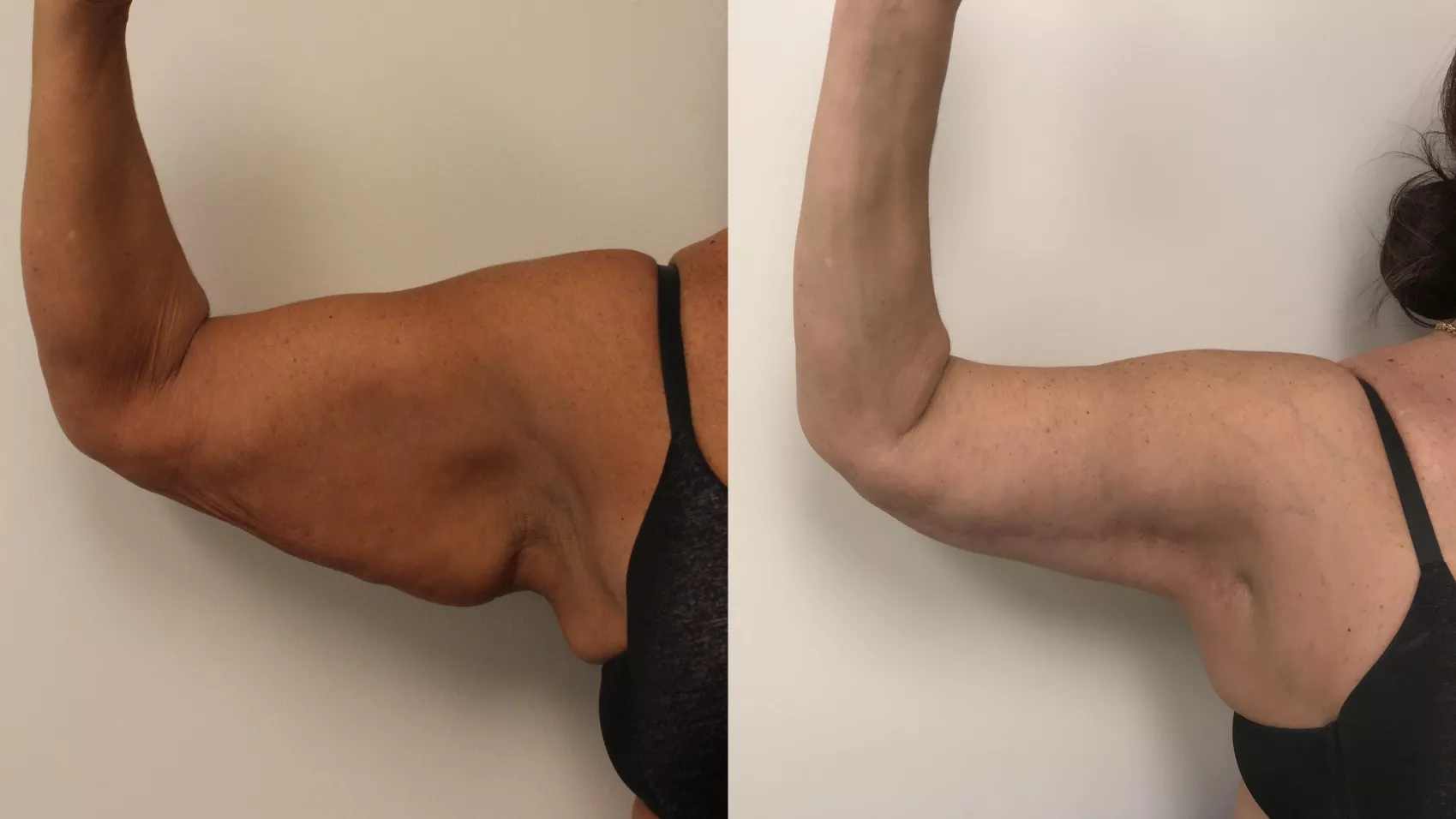
    Known by the common name of upper arm lift, arm lift surgery (Brachioplasty) is a procedure that has increased in popularity from 2,500 cases ten years ago, to over 20,000 currently. During this time, the procedure has also undergone its own metamorphosis.

    Due to an emphasis on surgical procedures to have smaller incisions and shorter scars, most techniques nowadays involve liposuction of the upper arm combined with the removal of skin from the armpit area. The scar is not only very well hidden, but most of the hair-bearing skin is removed along with the sweat gland areas of the armpit. For patients who have had massive weight loss, the procedure can also target the lateral chest and back areas plagued by excess skin.

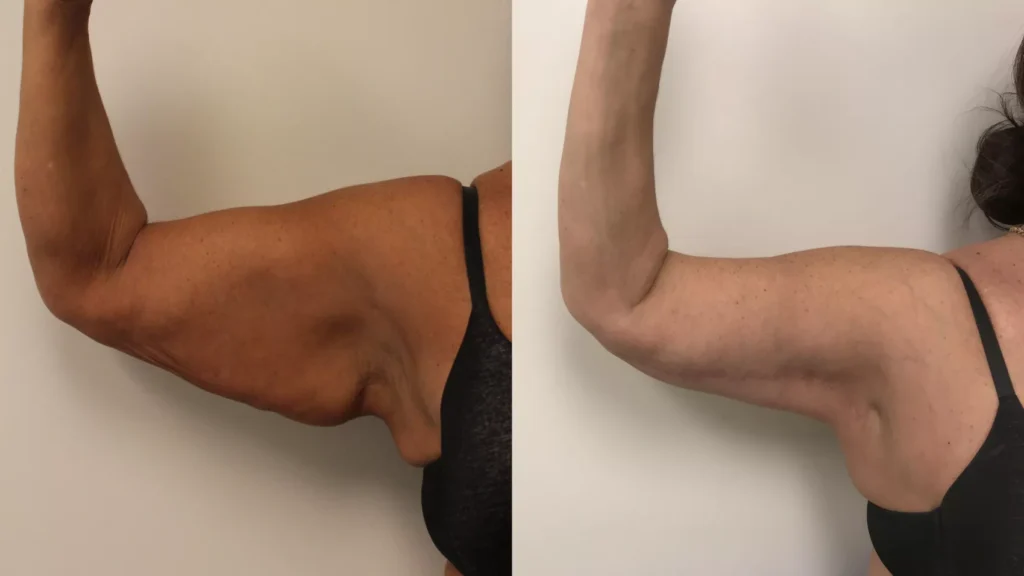
    Brachioplasty is performed as an outpatient procedure under local anesthetic with sedation or general anesthetic. The results are quite dramatic once the skin tightens. Patients are no longer bothered by the appearance of so-called “bat wings” and can feel confident bearing their arms in public.

    Frequently Asked Questions

  • Top 5 Non-Surgical Treatments in 2021

    Top 5 Non-Surgical Treatments in 2021

    Non-surgical cosmetic treatments are on the rise according to the American Society for Aesthetic Plastic Surgery (ASAPS). The organization conducted extensive research into cosmetic procedures over a 20-year period, ending in 2020. The research revealed that all types of cosmetic procedures have increased. However, non-surgical treatments are gaining popularity rapidly and show no signs of slowing down. While many men and women often don’t want others to know they’ve had a cosmetic procedure performed, more people than ever before are taking advantage of non-surgical cosmetic treatments to enhance their appearance and feel better about themselves. There were over a million non-surgical techniques performed in 2000, but by 2020 that number had risen to over 12 million and accounted for more than $20 billion annually. The top five most sought treatments in 2020 were:
    • Botulinum toxin – including Botox®, Dysport and Xeomin®
    • Hyaluronic acid – encompassing JUVÉDERMUltra, Ultra Plus, Voluma, Perlane, Restylane and Belotero®
    • Laser hair removal – with laser or pulsed light
    • Photorejuvenation – has replaced microdermabrasion procedures
    • Chemical peels
    Not surprisingly, people in the 35-50 age group had the most procedures performed, closely followed by those age 51-64. Women still out-pace men when it comes to non-surgical treatments, but men are quickly catching up with chemical peels being the most popular procedure among males.

    Non-surgical treatment with injectables

    Non-surgical treatments with injectables were performed over 8,000,000 times in 2020. They tighten skin, reduce fine lines and wrinkles, smooth skin, and plump areas where sagging has occurred. From 2000 to 2020, the use of injectables increased by 7,000 percent overall, with 10 percent of that number representing men.

    Hyaluronic acid for non-surgical treatment

    One of the reasons that the use of hyaluronic acid is so popular is that it’s a non-surgical way to replenish the skin’s moisture naturally. It revitalizes skin, improves the appearance of fine lines and wrinkles, and smooths and softens for a glowing and more youthful appearance.

    Non-surgical treatment for hair removal

    Hair removal utilizing laser or pulsed light was performed over a million times in 2020 making it the third most highly sought non-surgical cosmetic treatment. It’s highly effective, is beneficial for treating in-grown hairs, addressing razor bumps, and eliminates painful waxing, tweezing, and shaving. The number of men taking advantage of non-surgical hair removal increased by 12.1 percent and for women that number rose by 87.9 percent within the years of the study. For many men, the goal typically isn’t to completely eliminate hair but to thin it out – particularly on the chest and back. They’re also looking to curtail a unibrow, hair around the ears, and the back of the neck.

    Photorejuvenation that’s a non-surgical treatment

    One of the most popular non-surgical treatments, as evidenced by the over a million procedures performed in 2020, was photorejuvenation (IPL). It stimulates the body to create new skin cells for a radiant and more youthful appearance. It addresses multiple skin concerns that include:
    • Spots
    • Scars
    • Wrinkles
    • Stretch marks
    • Sun damage
    • Thickened or scaly skin
    • Spider veins

    Non-surgical treatment – chemical peels

    Non-invasive chemical peels remove dead and damaged cells while stimulating the regeneration of new cells for a more youthful appearance. Skin is softer, and smoother, and lines and wrinkles are minimized. Chemical peels are effective for uneven skin tone, pigmentation problems, and other types of blemishes.

    Reasons for the increase in non-surgical treatments

    People today are more conscious of their body image than at any other time in history. They don’t want to “age gracefully” – they want their outward appearance to reflect how they feel mentally and emotionally. They can now achieve that goal with non-surgical treatments. This is especially true for seniors, the second largest age group to have non-surgical treatments. Those in this age group are living longer, staying as active as they were in their 40s, and making contributions to the workforce longer than ever before. Cosmetic procedures for those 65 and older have increased by 1,500 percent in just two decades. Advances in medical technology removed many of the barriers that prevented men and women of all ages from availing themselves of youthful treatments and body sculpting options. Factors influencing the increases include:
    • Greater availability of non-surgical treatments
    • Safe and effective
    • Recovery times can now be counted in days instead of weeks
    • Little or minimal downtime
    • No surgery or general anesthesia needed
    • Faster results
    • Greater accessibility
    • Cost is less than surgical interventions
    • Many treatments can be performed in an hour or less
    People have also discovered that having non-surgical treatments in their 30s will help delay the lines, wrinkles, and sagging that arrive later in life. Addressing aging issues early can reduce the number of touch-ups needed to remain youthful looking as people age.

    Non-surgical treatments for men

    Men now account for 1 in every 10 cosmetic procedures in the U.S. and had more than 1 million non-surgical treatments in 2020. Once considered something only women pursued, men are now taking advantage of the wealth of options available for maintaining a youthful appearance and enhancing body image. Laser hair removal, injectables, photorejuvenation, and chemical peels were the most popular non-surgical treatments among males. Men tend to want lines and wrinkles softened rather than eradicated and seek procedures to address scars, photoaging, and improve symmetry.

    The psychology of non-surgical treatments

    Perhaps the most overwhelming reason for non-surgical treatments is they impart self-esteem, and confidence and boost morale. When people look good, they feel better about themselves. The way a person looks has a direct effect on their psychological health and emotional well-being that will impact interactions with others and can even affect their ability to compete for promotions.

    Non-surgical treatments win the day

    The technological advances made in non-surgical treatments for virtually any part of the body have resulted in many people opting to see a cosmetic physician who may never have considered a procedure before. Once considered an exclusive luxury of the rich and famous, you don’t have to be a celebrity to enjoy the benefits of non-surgical treatments. There’s no longer a stigma associated with cosmetic procedures or those who have them. With today’s non-surgical treatments, there’s no reason why you can’t look as young as you feel. The treatments represent techniques that can be used to correct what genetics failed to give you or what aging has taken away.

    Add Your Heading Text Here

  • Skin Rejuvenation Treatments that Work

    Skin Rejuvenation Treatments that Work

    Skin Rejuvenation Treatments


    Skin rejuvenation treatments and facial rejuvenation procedures appear on the covers of major beauty and lifestyle magazines every single month. The words skin and facial are often used interchangeably, but what is the difference between skin rejuvenation and facial rejuvenation?

    In simple terms, skin rejuvenation revitalizes your skin to look and feel healthier (and thereby younger), whereas facial rejuvenation aids in restoring a younger appearance.

    Both approaches will help you look more youthful. However, facial rejuvenation focuses on your overall appearance and includes surgical options. On the other hand, skin rejuvenation aims to improve skin texture, elasticity, and add a healthy glow.

    Combined, both can take off years in your appearance. This article, however, will focus on skin rejuvenation.

    To make the right decision for your needs, you should be aware of how different treatments work to rejuvenate your skin.

    Below, you will learn which skin rejuvenation treatments provide quick results and which soothing treatments rejuvenate the skin over time.

    What Is Skin Rejuvenation and How Does It Work?

    As you age, your skin begins to reflect the cumulative effects of past neglect. Memories of carefree beach days, indulging in junk food, and late-night binge-watching start to surface as visible skin issues such as acne scars, sunspots, freckles, dark circles, wrinkles, and fine lines. Changes in weight, both gain and loss, further contribute to these skin concerns. Skin rejuvenation treatments offer a revitalizing solution, breathing new life into your skin and restoring a youthful appearance. Skin rejuvenation encompasses various techniques, including chemical peels and laser therapy. Among these, skin resurfacing stands out as a widely favored method. Light therapy treatments also prove effective in rejuvenating skin, promoting a youthful and smooth complexion. While certain skin rejuvenation treatments are suitable for specific areas like the hands or neck, many individuals opt for facial skin rejuvenation treatments to address wrinkles and facial lines effectively.

    Skin Rejuvenation for Wrinkles

    Let’s start with the #1 cosmetic concern most people face: fine lines and wrinkles. There are many ways to improve them, but mainly by utilizing one or more of three basic methods:

    1. Exfoliating – removes the outermost skin layer
    2. Shrinking – uses heat to target specific areas beneath the skin, causing the skin to shrink as it heals
    3. Wounding – creates microscopic injuries to the skin that stimulate the production of collagen

    Two other non-surgical methods deal with wrinkles: adding volume (dermal fillers) and relaxing muscles (Botox). These, however, fall under the category of facial rejuvenation.

    Each method has its place in the skin rejuvenation process. Choosing the right one for you depends on several factors, including the depth of the wrinkles, the overall condition of your skin, your age, your skin type, and the area of concern.

    Addressing Skin Damage

    The sun is a major stressor that causes damage to the skin. Your genetic makeup also plays a significant role in how quickly your skin shows signs of aging and the extent to which it shows.

    In addition to addressing fine lines and wrinkles, skin rejuvenation treatments also address:

    • Sunspots and age spots
    • Dull skin
    • Dry skin
    • Mild scars and acne scars
    • Uneven pigmentation
    • Rosacea and other skin conditions

    Soothing Skin Rejuvenation

    These are mild treatments that require little to no special instructions after treatment and are recommended to be repeated monthly or bi-monthly to obtain and maintain their full effect over time. These include:

    • Facials: A facial implant is a relaxing and pampering experience for skin tissue issues. It cleanses, moisturizes, hydrates, and improves circulation. It can also stimulate your body to produce collagen.
    • Mild Chemical Peels: A mild chemical peel helps to balance and restore appearance, accelerating the turnover of skin cells. It brightens all types of skin and aids in addressing acne to restore and refresh your skin’s appearance.
    • Dermaplaning: Dermaplaning exfoliates the top layer of skin to remove dead skin cells that give your complexion a dull appearance. It has the added benefit of removing peach fuzz, that unwanted and annoying facial hair.
    • Microdermabrasion: Microdermabrasion is an effective treatment for removing old skin cells that make the skin look dull. It minimizes facial wrinkles and smoothes, improving skin texture, and reducing acne.
    • IPL Treatments: Intense pulsed light (IPL) treatments are safe and effective for most skin types. It addresses hyperpigmentation issues, red and brown spots, and sun damage. IPL treatments can reduce acne and the appearance of rosacea, minimize spider veins, and tighten the skin for a more youthful appearance.

    Short-Term Skin Rejuvenation

    Short-term rejuvenation options require one or a series of treatments over a short period of time to obtain the full effect. They include:

    • Medical-Grade Chemical Peels: Effective for photoaging, unwanted freckles and acne, hyperpigmented skin, and fine lines. Your skin will look brighter, younger, and tighter.
    • Microneedling and Vampire Facials: Microneedling is a highly effective treatment that stimulates collagen production by creating controlled, microscopic injuries to the skin. It addresses mild scarring from acne, skin discoloration, and even stretch marks.
    • Laser Skin Resurfacing: Used for deeper and more ingrained lines and wrinkles, laser skin resurfacing removes the outer layer of skin to stimulate collagen production.

    Skin Rejuvenation Vs Skin Resurfacing

    Skin rejuvenation encompasses all efforts aimed at improving skin health, including professional treatments. On the other hand, skin resurfacing specifically involves clinical procedures such as laser therapy or ultherapy, which target the removal of the skin’s outer layer.

    You can achieve skin rejuvenation through dietary improvements with healthy foods, using nourishing skincare products, and incorporating topical ingredients like retinol and vitamin C. Injectable fillers also offer options for rejuvenating the skin.

    Choosing the Right Skin Rejuvenation Treatment

    Selecting the right skin rejuvenation treatment should never be made in haste or without consulting with a professional. The extensive variety of skin rejuvenation treatments offers choices for everyone, no matter what your particular concern or skin type.

    Depending on what you and your skin rejuvenation professional decide, you can take advantage of short-term treatments that can produce dramatic and immediate results. You may need facial rejuvenation for a more youthful appearance or skin rejuvenation that works overtime to make your skin healthier. All options are available to make you look as great as you feel—and best of all, they really work.

    Add Your Heading Text Here

  • Hormone Imbalance: Signs That Say You Need Help

    Hormone Imbalance: Signs That Say You Need Help

    medium-shot-woman-holding


    Hormones are the body’s chemical messengers, responsible for regulating various essential functions from metabolism and mood to reproductive health. When these hormones fall out of balance, it can lead to a host of symptoms that affect overall well-being. Understanding the signs of hormonal imbalance is crucial for identifying when professional help may be necessary to restore hormonal harmony. This blog explores the common symptoms, causes, testing methods, and treatment options for hormonal imbalance in females.

    Signs of Hormonal Imbalance

    Recognizing the signs of hormonal imbalance can empower individuals to seek timely intervention. Here are some common symptoms:

    1. Irregular Menstrual Cycles: Changes in the length, frequency, or intensity of periods can indicate hormonal fluctuations, particularly estrogen and progesterone levels.
    2. Hot Flashes and Night Sweats: Sudden, intense feelings of heat, often accompanied by sweating, are hallmark symptoms of hormonal changes during menopause.
    3. Mood Swings and Irritability: Hormonal shifts, such as fluctuations in estrogen, progesterone, or thyroid hormones, can contribute to mood changes, anxiety, or depression.
    4. Weight Gain or Difficulty Losing Weight: Hormonal imbalances, including insulin resistance, thyroid dysfunction, or cortisol imbalance, may lead to unexplained weight changes.
    5. Fatigue and Low Energy Levels: Persistent tiredness or lethargy despite adequate rest may be linked to adrenal fatigue or thyroid disorders.
    6. Sleep Problems: Insomnia, disrupted sleep patterns, or difficulty falling asleep can result from imbalances in cortisol, melatonin, or other hormones.
    7. Hair Loss or Thinning: Hormonal imbalances, such as excess androgens (e.g., testosterone) or deficiencies in thyroid hormones, may contribute to hair changes.
    8. Changes in Libido: Decreased sex drive or fluctuations in sexual desire can be influenced by imbalances in testosterone, estrogen, or progesterone.
    9. Digestive Issues: Hormonal disruptions, including stress-related cortisol imbalances, may manifest as digestive problems like bloating, constipation, or diarrhea.
    10. Skin Changes: Acne breakouts, oily or dry skin, and changes in skin texture can be indicative of hormonal fluctuations, particularly androgen levels.

    Causes of Hormonal Imbalance

    Several factors can contribute to hormonal imbalances in females:

    • Menopause or Perimenopause: Natural decline in estrogen and progesterone levels as women age.
    • Polycystic Ovary Syndrome (PCOS): Hormonal disorder affecting reproductive-aged women, characterized by excess androgens.
    • Thyroid Disorders: Conditions like hypothyroidism or hyperthyroidism disrupt thyroid hormone production.
    • Stress: Chronic stress can elevate cortisol levels, impacting other hormones and overall balance.
    • Medications: Certain medications, such as hormonal contraceptives or corticosteroids, may affect hormone levels.
    • Lifestyle Factors: Poor diet, lack of exercise, inadequate sleep, and exposure to environmental toxins can contribute to hormonal disruptions.

    Hormone Testing for Women

    When symptoms suggest hormonal imbalance, healthcare providers may recommend hormone testing to assess levels of specific hormones, including estrogen, progesterone, testosterone, thyroid hormones (T3, T4, TSH), cortisol, and others. Testing methods may include blood tests, saliva tests, or urine tests, depending on the hormones being evaluated and the healthcare provider’s recommendations.

    Treatment and Management

    Managing hormonal imbalance often involves a multifaceted approach tailored to individual needs:

    • Lifestyle Modifications: Adopting a balanced diet rich in nutrients, regular exercise, stress management techniques, and prioritizing sufficient sleep can support hormone balance.
    • Hormone Replacement Therapy (HRT): For menopausal women experiencing severe symptoms, HRT may be prescribed to supplement declining estrogen and progesterone levels.
    • Medications: Depending on the underlying condition, medications such as oral contraceptives, thyroid medications, or insulin-sensitizing drugs may be prescribed.
    • Natural Remedies: Some women find relief from symptoms through natural remedies like herbal supplements (e.g., black cohosh for menopausal symptoms), acupuncture, or bio-identical hormone therapy.
    • Regular Monitoring: Follow-up appointments with healthcare providers are essential to monitor hormone levels, adjust treatment as needed, and assess overall health.

    Bioidentical Hormone Replacement Therapy (BHRT): A Comprehensive Overview

    Bioidentical Hormone Replacement Therapy (BHRT) has gained attention in recent years as an alternative treatment option for hormonal imbalances, particularly in women experiencing symptoms of menopause or other hormonal issues. Unlike traditional hormone replacement therapies (HRT), which often use synthetic hormones, BHRT involves hormones that are chemically identical to those naturally produced by the body. This guide explores what BHRT entails, its benefits, considerations, and potential risks.

    What is Bioidentical Hormone Replacement Therapy (BHRT)?

    BHRT involves the use of hormones that are structurally identical to the hormones naturally produced by the body. These hormones are derived from plant sources and are customized to match each individual’s specific hormonal needs based on laboratory testing. The most common hormones used in BHRT include:

    • Estrogen: Estradiol, estriol, and estrone are the three main types of estrogen used in BHRT.
    • Progesterone: A bioidentical form of progesterone is often prescribed to balance estrogen levels.
    • Testosterone: Used in smaller amounts in women, testosterone can help improve libido and energy levels.
    • DHEA (Dehydroepiandrosterone): A precursor to estrogen and testosterone, DHEA levels decline with age and may be supplemented in BHRT.

    Benefits of BHRT

    1. Customized Treatment: BHRT allows for personalized hormone replacement based on individual needs, as determined by hormone testing.
    2. Natural Formulation: Bioidentical hormones are derived from plant sources and are formulated to mimic the body’s natural hormones, potentially reducing side effects.
    3. Symptom Relief: BHRT can alleviate symptoms associated with hormonal imbalances, including hot flashes, night sweats, mood swings, and sleep disturbances.
    4. Bone Health: Estrogen replacement therapy in BHRT can help maintain bone density and reduce the risk of osteoporosis in menopausal women.

    Considerations for BHRT

    While BHRT offers several advantages, it’s essential to consider the following aspects:

    • Individualized Approach: BHRT requires careful monitoring and customization based on hormone levels and symptom response.
    • Safety Concerns: Although bioidentical hormones are considered safer than synthetic hormones for many individuals, the risks and benefits should be discussed with a healthcare provider.
    • Regulation and Quality: BHRT formulations are compounded medications, which means they are individually prepared by pharmacies. Quality control and regulation can vary, emphasizing the importance of choosing a reputable provider.

    Who Can Benefit from BHRT?

    BHRT may be considered for individuals experiencing:

    • Menopausal symptoms such as hot flashes, night sweats, and vaginal dryness.
    • Perimenopausal symptoms.
    • Hormonal imbalances related to thyroid disorders or adrenal fatigue.
    • Decreased libido and sexual dysfunction associated with hormonal changes.

    Conclusion

    Recognizing and addressing hormonal imbalance is crucial for maintaining overall health and well-being. By understanding the signs, causes, testing methods, and treatment options available, individuals can take proactive steps to restore hormonal harmony and improve quality of life. Consultation with a healthcare provider specializing in hormonal health is essential for personalized evaluation and guidance.

    Empower yourself with knowledge about hormonal imbalance, and don’t hesitate to seek professional help if you suspect hormonal disruptions affecting your health and daily life.

    Frequently Asked Questions