Category: Blog

  • Can You Reduce Wrinkles by Not Making Faces?

    Can You Reduce Wrinkles by Not Making Faces?

    Wrinkles

    Wrinkles are an inevitable part of aging, but is there a way to minimize them simply by controlling our facial expressions? Let’s explore this intriguing topic and separate fact from fiction when it comes to preventing wrinkles.

    Understanding Facial Expressions and Wrinkles

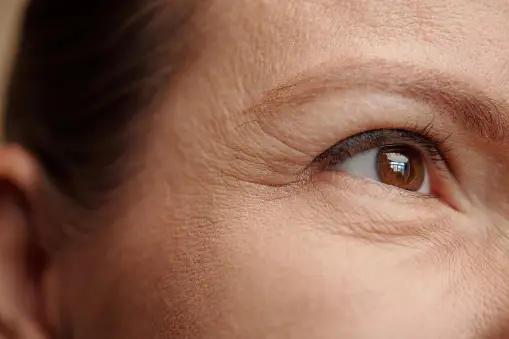
    Facial expressions play a significant role in the formation of wrinkles over time. Think about how often you smile, frown, squint, or raise your eyebrows throughout the day. These repetitive movements can lead to fine lines and wrinkles, known as dynamic wrinkles, which become more prominent as collagen and elastin production decline with age.

    What leads to the formation of wrinkles?

    The aging process affects everyone’s skin, resulting in noticeable differences between the smooth complexion of a young child and the aged appearance of a 90-year-old.

    With age, the skin’s elasticity diminishes as collagen production slows down. This natural decline can be accelerated by factors such as sun exposure, pollution, and certain lifestyle choices.

    Additionally, as you age, your skin tends to become thinner and less hydrated. Reduced moisture and volume contribute to increased susceptibility to developing wrinkles over time.


    The Concept of Preventing Wrinkles

    It’s a common belief that reducing facial expressions, such as frowning or squinting, can potentially lessen the development of wrinkles. The idea behind this is that minimizing repetitive facial movements could theoretically reduce the stress placed on the skin, thereby slowing down the formation of lines.

    The Reality: Managing vs. Preventing

    While reducing certain facial expressions might lessen the intensity of dynamic wrinkles, it’s important to note that wrinkles are influenced by various factors beyond facial movements alone:

    1. Genetics: Genetic predisposition plays a significant role in how prone you are to developing wrinkles.
    2. Sun Exposure: UV rays accelerate skin aging and contribute to the formation of wrinkles and fine lines.
    3. Skin Care: A consistent skincare routine that includes moisturizing and protecting your skin from environmental damage can help maintain skin elasticity.

    Practical Steps for Wrinkle Reduction

    Instead of avoiding facial expressions altogether, consider these practical approaches to minimize and manage wrinkles:

    • Sun Protection: Use sunscreen daily to shield your skin from harmful UV rays, which are a primary cause of premature aging.
    • Hydration and Moisturization: Keep your skin hydrated by drinking plenty of water and using moisturizers that suit your skin type.
    • Healthy Lifestyle: Maintain a balanced diet rich in antioxidants and vitamins, and avoid smoking, which accelerates skin aging.
    • Skincare Products: Incorporate anti-aging products containing retinoids, peptides, and antioxidants into your skincare routine to promote collagen production and reduce wrinkles.

    Professional Treatments

    If you’re looking to address existing wrinkles more effectively, consider consulting with a dermatologist or skincare professional for treatments such as:

    • BOTOX: Temporarily relaxes facial muscles to reduce the appearance of dynamic wrinkles.
    • Dermal Fillers: Restore lost volume and smooth out wrinkles for a more youthful appearance.
    • Chemical Peels and Laser Treatments: Improve skin texture, tone, and reduce fine lines through controlled exfoliation or targeted laser therapy.

    Conclusion

    While controlling facial expressions may contribute to reducing dynamic wrinkles to some extent, it’s essential to approach wrinkle prevention and reduction holistically. Embrace a combination of healthy lifestyle habits, effective skincare routines, and professional treatments to maintain youthful-looking skin over time.

    Remember, wrinkles are a natural part of aging, but with proactive care and the right treatments, you can age gracefully and confidently. Embrace your expressions and take proactive steps to care for your skin—it’s never too late to start!

    Celebrate your expressions and care for your skin—because every smile tells a story.
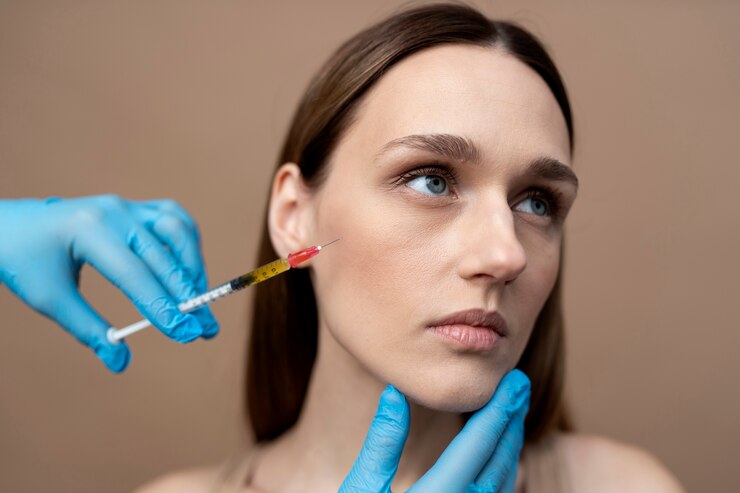
  • Why More Women Are Choosing Non-surgical Facelifts

    Why More Women Are Choosing Non-surgical Facelifts

    Facelift surgery has long carried a stigma, exacerbated by the widespread sharing of plastic surgery “fails” on social media, gossip magazines, and celebrity entertainment news outlets. This negative attention has driven a shift towards non-surgical cosmetic procedures, which are now frequently highlighted on TV shows and in women’s magazines. Even Good Morning America features a daily segment showcasing the latest in cosmetic technologies.

    According to the American Society for Aesthetic Plastic Surgery, Americans spent over 12 billion dollars on cosmetic enhancements in 2014, with more than 80% of these procedures being nonsurgical. These statistics illustrate the growing popularity, acceptance, and affordability of nonsurgical treatments. Interestingly, the number of procedures for men has increased by 43% over the past five years.

    Leading the trend in nonsurgical procedures are facial treatments focused on wrinkle management and skin smoothing, such as:

    • Botox
    • Dermal fillers
    • Hair removal
    • Chemical peels
    • Microdermabrasion

    Additionally, there is a rising demand for treatments addressing pigmentation issues (like IPL or intense pulse light) and for those that tighten and lift the skin on the face (such as Ultherapy, the first and only FDA-approved nonsurgical device to lift the eyebrow, chin, and neck).

    New technologies continue to emerge in the field of facial rejuvenation, enhancing existing methods and driving further growth in nonsurgical treatments.

    A Brief History of Plastic Surgery

    Plastic surgery as we know it dates back several centuries. Gaspare Tagliacozzi (1545-1599), a professor of anatomy and surgery at the University of Bologna, is considered the founding father of plastic surgery. He authored the first textbook on the subject, detailing techniques for reconstructing noses, ears, and lips through skin grafting. The Bologna Anatomy Theatre even features a statue of Tagliacozzi holding a nose, a revered symbol among plastic surgeons.

    Evolving Perceptions of Facelifts

    Perceptions of facelifts are changing. Today, nonsurgical facelifts are becoming as routine as a salon visit for a haircut, styling, and makeup. Unlike traditional surgical facelifts that require anesthesia, a medical facility, and significant recovery time, nonsurgical procedures can be done quickly and conveniently at med spas, such as the Advanced Plastic Surgery Centre in Houston.

    Nonsurgical facelifts have followed a trajectory similar to the air travel industry, once a luxury only a few could afford but now accessible to the masses. This shift makes nonsurgical facelifts a viable option for many who seek to enhance their appearance.

    The desire to look good is natural, as it can have financial, social, and emotional benefits. Looking your best can play a crucial role in securing a job, boosting confidence in relationships, or making a positive impression on a first date or business meeting.

    What is a Nonsurgical Facelift?

    A nonsurgical facelift is a procedure designed to temporarily refresh, firm, or plump the skin on your face without the need for large incisions, general anesthesia, or an overnight hospital stay. These procedures utilize a combination of minimally invasive and nonsurgical techniques to achieve the desired results.

    What’s the Difference Between a Nonsurgical and a Surgical Facelift?

    Surgical Facelift (Rhytidectomy):

    • Procedure: Involves making incisions (cuts) in the face to tighten the skin on the face and neck. It may also involve transferring fat to the face or adjusting facial muscles.
    • Anesthesia: Requires general anesthesia.
    • Recovery: Typically necessitates an overnight hospital stay.
    • Results: Provides more dramatic and permanent improvements to aging facial skin.

    Nonsurgical Facelift:

    • Procedure: Utilizes minimally invasive and nonsurgical techniques to temporarily refresh, firm, or plump the skin.
    • Anesthesia: Does not require general anesthesia.
    • Recovery: No need for an overnight hospital stay; recovery time is usually minimal.
    • Results: Delivers short-term results, often requiring repeated treatments to maintain the effect.

    Who Can Benefit from Non-Surgical Facelifts?

    If you’re over 40, you may notice changes like a loss of facial volume, sagging skin, or age spots. Factors like lifestyle, genetics, skin type, and environment influence how you age. Modern technology allows for targeted treatments to address these issues, making you a good candidate for nonsurgical facelifts.

    Consider a nonsurgical facelift if you fall into one of these categories:

    • The Young at Heart: You want to look as youthful as you feel, aligning your appearance with your active and energetic lifestyle.
    • The Superwoman: You’ve devoted time to others and neglected self-care, and now you want to rejuvenate your tired appearance.
    • The Genetically Challenged: You wish to look your actual age and reverse the clock on your appearance, seeking a look that matches your confidence.

    Benefits of a Nonsurgical Facelift

    Nonsurgical facelifts offer a stress-free approach to looking and feeling rejuvenated for several reasons:

    1. Quick procedures, sometimes as short as 30 minutes.
    2. Natural-looking results with skin tightening.
    3. Immediate effects that improve over time.
    4. Minimal risks when performed by skilled practitioners.
    5. Short recovery periods, often allowing a return to normal activities within hours.
    6. Affordability.

    Ultimately, women opt for nonsurgical facelifts because looking and feeling beautiful is a significant aspect of their identity. These procedures offer a safe, effective, and stress-free way to achieve that goal.

    FAQs About Why More Women Are Choosing Non-Surgical Facelifts

  • Free Plastic Surgery Seminar

    Free Plastic Surgery Seminar

    October 23rd, 2013 6-7:30 PM

    Join Houston’s Top Plastic Surgeons, Joseph M. Perlman MD, FACS for an evening of education and fun.  Learn about the latest advances in body contouring and facial rejuvenation. Light refreshments will be provided.

    Seminar Specials

    • Respond by October 14 to receive a gift certificate for a complimentary microdermabrasion session.
    • Bring a friend, and the two of you will receive a complimentary Pumpkin Peel!

    The event is Limited to the first 30 spots. RSVP today

    events@doctorperlman.com|(281)712-8105


  • Choosing the Right Skincare Products

    Choosing the Right Skincare Products

    Right Skincare Products

    There are many over-the-counter products that advertise dramatic results for rejuvenating the skin. Celebrity spokespersons trumpet the benefits of skincare products that turn back the clock, giving the skin a healthy youthful glow, and removing lines and wrinkles in a matter of days. Americans will spend $5 billion on skincare products and cosmetics this year alone. Some of these products are quite pricey, costing hundreds of dollars for a small jar of product that lasts a month. Because the FDA doesn’t monitor or regulate these products, it’s difficult for the consumer to know how much of the benefit they are.

    There are certain ingredients that one should look for in any anti-aging product. The ingredients should address the leading causes of aging of the skin: internal sources such as diet and genetics and external sources such as UV radiation, pollution, wind, and smoking. On the cellular level, the damage from free oxygen radicals to cellular DNA, lipid, and proteins affects the integrity of our skin cells including the production of collagen. Since collagen is the main building block of our skin, decreased collagen production will cause noticeable signs of aging such as wrinkling.

    Some of the more effective antioxidants occur naturally in the skin including vitamins A., C., and E. Our skin also contains coenzyme Q.-10 which neutralizes free radicals. As we age, our production of these antioxidants decreases. In addition, a diet that is lacking in sufficient amounts of these vitamins also contributes to the aging process.
    Vitamin A in its biologically active form is retinoic acid or tretinoin. Vitamin A increases the growth of the epidermis as well as the metabolism of fibroblasts and collagen. They also decrease metalloproteinase which degrades collagen. Topical application of vitamin A products improves fine and coarse wrinkling and pigmentation. One of the more common vitamin A products on the market is Retin-A.

    The Vitamin B group contains certain subgroups which improve wrinkles such as vitamin B 3 (niacinamide) and DMAE. Gels containing both of these drugs improve wrinkles, pigmentation, and yellowing of the skin as well as improve sagging.

    Vitamin C is the most plentiful antioxidant in the skin. These biologically active forms include ascorbic acid and alpha hydroxy acid. Skincare products containing vitamin C often include tea-based products, which seemed to cause less irritation to the skin. Cellex-C is a common brand but there are many more products on the market that contain this antioxidant vitamin C products have been shown to increase blood supply to the skin, increased gene expression of type I collagen, and thus improve wrinkling, roughness, skin laxity, and sallowness.

    Vitamin E is a lipophilic antioxidant. By that, I mean that it scavenges free radicals preventing their damaging lipid cell membranes. Products that contain tocopherols and tocotrienols are Vitamin E products. Studies have shown that vitamin E in combination with vitamin C decreases damage to sunburn cells and thus serves more as a protective agent.

    Coenzyme Q. 10 and Squalene are also lipophilic antioxidants that decrease with age and radiation. A synthetic form of coenzyme Q. 10 is idebenone. Alpha lipoic acid is another free radical oxygen scavenger that increases collagen synthesis.

    Alpha-hydroxyl acids (AHA) thin out the top layer of skin and speed up the normal process of skin cell exfoliation and regeneration. They can also increase the thickness of the skin and improve the quality of elastic fibers and collagen. Many AHAs occur naturally in foods. Roman women knew the benefits of treating their skin with wine and grapes, which contained tartaric acid, as well as citrus fruits. Ascorbic acid is found in fruits, vegetables Gary products, and tea. Glycolic acid is found in sugarcane and lactic acid is in sour milk and tomato juice. Over-the-counter concentrations of AJ’s are quite low but can be beneficial as a home therapy supplement to in-office chemical peels which are done with a higher concentration. AJ’s continued to be one of the most effective anti-aging compounds.

    Botanicals are finding their way into skincare products for their antioxidant properties some of the more common ones include bioflavonoids and anthocyanins. Both of these have antioxidant and anticancer and anti-inflammatory properties. It is for the anti-inflammatory effects that they are probably most useful when combined with other antiaging ingredients.

    Pentapeptides have been linked to increased collagen synthesis. One commercial product from Paris, Matrixyl, has been shown to decrease wrinkle depth and volume as well as improve the roughness of the skin even when compared to vitamin C. An eyelid-firming gel that we sell in our product line contains pentapeptides to decrease capillary fragility, reduce inflammation, and speed up the metabolism of red blood cells which cause discoloration.

    In addition to using various antiaging products as part of your skincare regimen, it’s important to keep the skin moist. Petrolatum-based products are the most common to maintain the skin barrier to decrease water loss. Glycerin products are key methods, which means that they will actually hydrate the skin rather than decrease water loss. Liposomes also serve a similar function.

    In choosing skincare products. Read the label to see if it contains the proper ingredients. Establish a good regimen of gently cleansing your face as well as using toners, anti-aging products, and moisturizers.

  • Tattoo Removal

    Tattoo Removal

    tattoo removal

    Decorative tattoos have been part of the culture for thousands of years. No longer is it limited to military personnel and athletes. We’re seeing many younger patients, especially women, getting exotic tattoos often in multiple locations. In the United States, it’s estimated that 25% of women between the ages of 19 and 35 have a tattoo.

    Although many choose to have a small tattoo placed on their body in an area that’s easy to cover with clothing, we’re seeing more patients with tattoos on their lower arms and necks. These are obviously difficult places to cover with clothing. The reasons for removing the tattoo include “outgrowing the usefulness or novelty,” “my job prohibits me from having a tattoo that can’t be concealed” or “I’m no longer married to or dating the person whose name is on the tattoo.” The Harris County Medical Society, of which I’m a member, offers a “De-Tag” program for juveniles who are in custody to remove gang tattoos. Members of the Medical Society donate their time and the laser companies donate lasers and technicians to spend a few hours on a Saturday to help these young men and women try to get a new start on life.

    A few tattoos can be covered with a heavy concealer, on a temporary basis, but most patients want the tattoo removed. Over the years there have been a number of techniques to expunge the dye. This includes using coarse salt and a sponge to scrub the ink out, or abrasion to sandblast the dye, freezing the tissue, and using creams to try to leech out the dye.
    With the development of lasers, including Q-switched lasers in particular, physicians are able to target specific colors in the tattoo to selectively fracture the pigment granules so that they can be absorbed with less scarring.

    Tattoo removal is a multi-treatment process, even with a simple black tattoo. Because of the multiple colors in many tattoos, it is necessary to use different lasers or filters. The laser light has to be specific to that color so it’s absorbed at a maximum rate. Each of the colors has a different wavelength. A green laser beam such as in the 532 nm range, will be absorbed by red pigment, and a red laser beam will be absorbed by green pigment such as in the alexandrite 755nm laser. The 1064 NdYAG laser light is absorbed by water so it is not color specific although this laser frequency works well on black or dark blue tattoos.

    When I see a patient with a single color dark tattoo, I explain that it will take at least five sessions to treat the area. The goal is to burst the tattoo pigment into small enough pieces that the body will absorb it. Unfortunately, the area where there was a laser is now left lighter in color than the surrounding skin. This is fine for someone who’s fair-skinned but in a darker-skinned individual, this can leave a noticeable remainder of the tattoo that was. I also explained that the tattoo removal generates heat and treatment may end up causing hypertrophic scarring.

    Some patients do not want to go through the time and expense of multiple laser treatments and would prefer to have the scar removed surgically. This can be done in a single session with small enough stars that the world could be closed without significant tension. Unfortunately, many patients have large stars that require multiple excisions of small areas of the tattoo until the tattoo is totally removed.

  • Cosmetic Eyelid Surgery

    Cosmetic Eyelid Surgery

    Puffy Eyelids

    It is said that “the eyes are the windows to the soul”.  They are the major focus when people are looking at you, and are also one of the major areas of facial aging.  The eyelid skin is very thin, approximately 1/7 as thick as the cheek and forehead skin.

    As we age, our skin cells no longer retain water, as they did when we were younger.  In addition, external forces such as cigarette smoking, pollution, and pollen aggravate the swelling of the eyelids, which further stretches the skin.  The eyebrows begin to sag, the upper eyelid skin stretches and the lower eyelids become puffy.  The puffiness of the lower lids is due to the fact that the membrane that holds the eye socket fat in place weakens and the fat protrudes forward, creating bags.

    When I first started as a plastic surgeon 25 years ago, the treatment for aging eyelids was the removal of the skin and fat.  This tended to give the eyelids a hollowed look. Over the last 15 years, there have been significant surgical innovations.  Through these many facial rejuvenation procedures, we have become more conservative with the philosophy of “less is more”.  We are lifting the eyebrows through endoscopic incisions, behind the hairline, rather than making the classic “ear-to-ear cut”, or coronal brow lift.  The endoscopic lift minimizes hair loss and numbness of the scalp and improves healing time.  Upper eyelid excision of fat is more conservative and in some instances, the hollow look that one sees in the upper eyelids is actually filled in with strips of skin where the top layer is removed.

    The most significant changes have occurred in lower blepharoplasty eyelid surgery.  Instead of removing all the fat that “pooches out”, we’re now reinforcing the membrane, shrinking the fat with cautery, repositioning the fat to fill the hollowed tear trough area at the base of the eyelid along the cheek, and repositioning the muscles.  This elevates the cheek to a more youthful position, minimizes the downward pull of the eyelid, and retains the almond shape of the eye.

  • Cosmetic Rhinoplasty: One Size Does Not Fit All

    Cosmetic Rhinoplasty: One Size Does Not Fit All

    Cosmetic Rhinoplasty

    When I was a resident in plastic surgery training over 25 years ago it seemed that everyone who had a rhinoplasty, or nose job, all seemed to have the same result. The same held true for facelifts in Spring, TX.

    Things have changed dramatically in cosmetic surgery. In many procedures, the axiom has been “less is more”. By that, I mean that plastic surgeons have developed techniques to individualize the procedure to the patient’s wants and needs.

    Most of the rhinoplasty patients that I see in my practice are interested in keeping the appearance of their nose, but only want it to be more refined, to look better. This holds true, especially in the Caucasian population. In my Asian, Hispanic, and African-American patient population, changes are more radical and the procedures more complicated.
    During my consultation, I ask the patient what features of their nose they would like to change. I also inquire if they’re having any internal problems such as airway obstruction, whether they’ve had trauma to the nose, previous nasal surgeries, and problems with allergies. All of these factors influence the final outcome.

    The most common areas of treatment are removing the hump on the nasal dorsum, narrowing the nose, refining the tip, changing the shape of the nostrils, and lessening the “gummy smile” that some patients have. It’s important to thoroughly analyze the nasal features and set up a game plan individualized for the patient. In my practice, I often use the open rhinoplasty approach to treat their problems. This technique requires making a small incision in the columella (the skin between the nostrils at the bottom of the nose) and elevating the skin and fatty tissue off the underlying cartilage, which provides the framework for the lower two-thirds of the nose. This allows access to the dorsal hump, as well as for refining the tip, by trimming some of the cartilage and using cartilage grafts to give it a better definition. I can relax the gummy smile, refine the nostril shape and correct any septal problems through this incision.

    It’s important for patients to know that the final results may take up to a year to be evident and there may be noticeable swelling for the first four weeks.

  • High-Protein Diet Linked to Lower Blood Pressure

    High-Protein Diet Linked to Lower Blood Pressure

    High-Protein Diet

    Maintaining healthy blood pressure levels is crucial for overall cardiovascular health and reducing the risk of heart disease and stroke. Recent studies have suggested that incorporating a high-protein diet into your lifestyle may contribute to lowering blood pressure naturally. This blog explores the connection between a high-protein diet and blood pressure, the potential mechanisms behind this link, and practical tips for integrating more protein into your diet.

    Understanding Blood Pressure

    Blood pressure measures the force of blood against the walls of your arteries as your heart pumps it around your body. Elevated blood pressure, or hypertension, can strain the heart and blood vessels over time, leading to serious health complications if left uncontrolled.

    • Normal Blood Pressure: Typically defined as less than 120/80 mm Hg.
    • High Blood Pressure: Blood pressure consistently at or above 130/80 mm Hg is considered high and may require intervention.

    The Role of Diet in Blood Pressure Management

    Diet plays a significant role in regulating blood pressure. Key dietary factors that influence blood pressure include:

    • Sodium Intake: High sodium levels can lead to fluid retention and increased blood pressure.
    • Potassium: Helps balance sodium levels and relax blood vessel walls, lowering blood pressure.
    • Magnesium: Supports blood vessel relaxation and blood pressure regulation.
    • Fiber: Promotes heart health and may help lower blood pressure.
    • Protein: Recent research suggests that protein intake may also impact blood pressure levels.

    High-Protein Diet and Blood Pressure: What the Studies Say

    Several studies have indicated a potential link between higher protein intake and lower blood pressure:

    1. Meta-Analysis Findings: A meta-analysis published in the American Journal of Hypertension concluded that higher protein intake, particularly from plant-based sources, was associated with lower blood pressure levels.
    2. Animal Studies: Animal studies have shown that certain peptides derived from proteins may have blood pressure-lowering effects by inhibiting enzymes involved in blood pressure regulation.
    3. Human Trials: Clinical trials have demonstrated that diets rich in lean proteins, such as poultry, fish, legumes, and low-fat dairy products, may help reduce blood pressure in hypertensive individuals.

    Mechanisms Behind the Effect

    The mechanisms by which a high-protein diet may lower blood pressure include:

    • Increased Nitric Oxide Production: Certain amino acids in proteins may stimulate nitric oxide production, which helps relax blood vessels.
    • Renin-Angiotensin System Modulation: Protein-derived peptides may affect enzymes and hormones involved in blood pressure regulation, such as the renin-angiotensin system.
    • Weight Management: Protein-rich diets are often associated with increased satiety and improved weight management, which can indirectly benefit blood pressure levels.

    Practical Tips for Incorporating High-Protein Foods

    To reap the potential benefits of a high-protein diet for blood pressure, consider these practical tips:

    • Choose Lean Protein Sources: Opt for lean meats like chicken, turkey, and fish, as well as plant-based proteins such as beans, lentils, and tofu.
    • Include Dairy Products: Low-fat dairy products like yogurt and cottage cheese provide protein along with calcium and other essential nutrients.
    • Snack Smart: Incorporate protein-rich snacks like nuts, seeds, Greek yogurt, or hard-boiled eggs into your daily routine.
    • Balance Your Plate: Build meals around lean proteins, whole grains, and plenty of fruits and vegetables to ensure a well-rounded diet.
    • Limit Processed Meats: Minimize intake of processed meats high in sodium and saturated fats, which can counteract the benefits of a high-protein diet.

    Considerations and Precautions

    While increasing protein intake may offer benefits for blood pressure, it’s essential to consider individual health needs and consult with a healthcare provider or registered dietitian before making significant dietary changes. Factors such as kidney function, existing health conditions, and overall dietary balance should be taken into account.

    Conclusion

    Incorporating a high-protein diet, alongside other healthy lifestyle habits such as regular physical activity and maintaining a balanced diet, may contribute to lowering blood pressure naturally. However, individual responses to dietary changes can vary, so personalized advice from healthcare professionals is crucial. By making informed choices and prioritizing heart-healthy foods, you can take proactive steps toward maintaining optimal blood pressure and overall cardiovascular health.

    Discover how a high-protein diet can potentially lower blood pressure and enhance your cardiovascular health with evidence-based insights and practical dietary tips.

  • Cosmetic Surgery for Adolescents

    Cosmetic Surgery for Adolescents

    Cosmetic Surgery for Adolescents

    The retail industry puts a heavy emphasis on teenagers looking good, wearing the right clothing, listening to the right music, and both fitting into their peer groups as well as standing out as individuals. Adolescence is a tough time in its own right. Children’s body image concerns may be further influenced by sociocultural influences such as dolls, television characters, and characters in children’s books and movies. In many parts of our country, especially in the Sun Belt area, this also means looking into cosmetic surgery.
    The American Society of Plastic Surgeons (ASPS) estimates that more than 333,000 cosmetic procedures were performed on patients 18 years of age or younger in the United States in 2005, compared to approximately 14,000 in 1996 [1]. In 2005, one in four of these were surgical procedures such as nose reshaping, ear surgery, breast augmentation, liposuction in Spring, TX, chin augmentation, and abdominoplasty.

    Teenagers as well as adults may be concerned about the appearance of their noses and may have functional problems. The nose grows until about age 16, so I usually reserve cosmetic and reconstructive nasal surgery on patients until that age, unless they had a nasal injury such as during sports that need to be corrected sooner.

    Protruding ears are a problem that is usually treated before children start school at age 5 but my second “spike” in patients is teenage girls who are just starting to date. It’s interesting that if boys don’t have the surgery done before age 5, they don’t seem to seek treatment much at an older age.

    Teenage girls who develop significant breast enlargement during puberty not only have psychological problems because everyone focuses on their breasts, possibly making fun of them, but they also experience functional problems, particularly if they are engaged in sports. Since breast development continues until age 18, and their breasts will also enlarge during pregnancy, it’s very important to assess the maturity of the patient and discuss with the patient and her family the significant outcome of a breast reduction. I have done breast reductions on girls as young as 17, only to have them come back at age 25 after having had a child and developing breast hypertrophy.

    I’ve seen teenage girls who have had congenital breast deformities where one breast may be an A cup and the other breast is a C or D cup. These patients certainly should be considered for surgery. On the other hand, a teenage girl with normal breast development who wants to increase her B cup size to a D cup, because she feels this will make her more popular, needs to be looked at differently. The physician has to look at her reasons more critically.

    When a teenager comes in for a cosmetic surgery consultation, the plastic surgeon needs to evaluate the patient as they would an adult seeking surgery, but with certain other considerations.

    Dr. Michael Bermant recently wrote an article in which he made interesting points regarding the consultation.  Every analysis for potential surgery must weigh the following:

    • The purpose for surgery: Is the proposed surgery realistic? Does the patient seem competent to make the decision to have surgery?
    • Degree of deformity: Is the deformity noticeable? Are the patient’s expectations for correction appropriate?
    • Level of physical maturity: Will the patient grow out of the deformity?
    • Social costs: Does the patient suffer socially because of the problem?
    • The patient-parent decision: Are the parents supportive of the surgery? Are the parents pushing for the surgery against the patient’s desires?
    • Post-surgery patient attitude: Will the patient be able to adhere to a post-operative regimen?

    Dr. Phil recently had the topic of teenage cosmetic surgery on his show. The patient who was on the show wanted a breast augmentation and it was evident from watching the show that this patient had significant psychological issues. It reinforced in my mind that dealing with cosmetic surgery issues with adolescents is as difficult a problem as dealing with many of the issues with adolescents, take it from a father of four.

  • Nonsurgical treatment highly effective for pain

    Nonsurgical treatment highly effective for pain

    Nonsurgical treatment

    When faced with chronic pain or discomfort, the prospect of surgery may seem daunting. Fortunately, advancements in medical technology and treatment options have expanded the range of nonsurgical alternatives that are highly effective in alleviating pain. This blog explores various nonsurgical treatments available today, their benefits, and why they may be the right choice for managing your pain.

    Understanding Nonsurgical Treatments

    Nonsurgical treatments encompass a wide array of therapeutic approaches designed to reduce pain and improve function without the need for invasive procedures. These treatments are often recommended as initial or ongoing management strategies for various musculoskeletal and chronic pain conditions.

    Common Nonsurgical Treatment Options

    1. Physical Therapy: Physical therapy programs are tailored to each individual’s needs and may include exercises, stretches, manual therapy, and modalities such as ultrasound or electrical stimulation. Physical therapists work to improve strength, flexibility, and mobility while reducing pain.
    2. Injection Therapies: Several types of injections can provide targeted pain relief by delivering medications directly to the affected area. Examples include corticosteroid injections for inflammation, hyaluronic acid injections for joint lubrication, and nerve blocks for pain modulation.
    3. Platelet-Rich Plasma (PRP) Therapy: PRP therapy involves using a concentrated solution of a patient’s own blood plasma, enriched with platelets, to promote healing and reduce inflammation in injured tissues. It’s commonly used for conditions like tendonitis and osteoarthritis.
    4. Acupuncture: A traditional Chinese medicine technique that involves inserting thin needles into specific points on the body to stimulate energy flow (Qi) and promote pain relief, relaxation, and overall well-being.
    5. Chiropractic Care: Chiropractic adjustments and manipulations focus on correcting alignment issues in the spine and joints to alleviate pain, improve mobility, and enhance nerve function.
    6. Regenerative Medicine: Techniques such as stem cell therapy and prolotherapy aim to stimulate the body’s natural healing processes to repair damaged tissues and reduce pain.
    7. Pain Management Techniques: Cognitive-behavioral therapy, relaxation techniques, and mindfulness practices can complement physical treatments to help manage chronic pain conditions.

    Benefits of Nonsurgical Treatments

    • Minimally Invasive: Nonsurgical treatments typically involve minimal or no incisions, reducing the risks associated with surgical procedures such as infection and recovery time.
    • Pain Relief: Many nonsurgical options provide effective pain relief, allowing individuals to manage symptoms and improve their quality of life without undergoing surgery.
    • Improved Function: By addressing underlying causes of pain and promoting healing, nonsurgical treatments can restore mobility, flexibility, and overall function.
    • Personalized Care: Treatment plans are customized to meet each patient’s unique needs, considering factors such as the type and severity of pain, overall health, and treatment goals.

    Conditions Treated with Nonsurgical Approaches

    Nonsurgical treatments are suitable for a wide range of conditions, including:

    • Back Pain and Neck Pain: Disc herniation, spinal stenosis, muscle strains, and other spinal disorders.
    • Joint Pain: Osteoarthritis, rheumatoid arthritis, and tendonitis affecting the knees, hips, shoulders, and other joints.
    • Soft Tissue Injuries: Tendon and ligament injuries, rotator cuff tears, and sports-related injuries.
    • Chronic Pain Syndromes: Fibromyalgia, complex regional pain syndrome (CRPS), and neuropathic pain conditions.

    Conclusion

    Choosing nonsurgical treatments for pain management offers a range of effective options that prioritize your well-being and quality of life. Whether you’re dealing with chronic pain from a musculoskeletal condition, recovering from an injury, or seeking relief from arthritis-related discomfort, exploring nonsurgical alternatives can provide significant benefits.

    Consulting with a healthcare provider or pain management specialist is the first step towards understanding which nonsurgical treatments may be most suitable for your specific condition and goals. By taking a proactive approach to pain management, you can find relief and regain control over your health.

    Explore the possibilities of nonsurgical treatments and discover effective solutions for managing your pain—because your comfort and well-being matter.