Category: Blog

  • Nonsurgical Facelifts – Too Good to be True?

    Nonsurgical Facelifts – Too Good to be True?

    Nonsurgical Facelifts

    In this day and age, we have a “gotta have it yesterday” mentality.  Information is sent around the world in microseconds, packages are shipped overnight, and we can even microwave dinner in three minutes.  We’re always on the go, multitasking, working even more than before. We are taking the kids from school to soccer practice, music lessons, and home for dinner, and then we have our regular tennis leagues.

    I see many patients who are concerned about facial aging.  They look older than they feel and want to stay youthful and, in many instances, competitive.  They often look for quick fixes.  When I was a plastic surgery resident 25 years ago, the only treatment methods for the aging face were a facelift, forehead lift, and eyelid surgery (blepharoplasty).  Patients were either a candidate or not.  Since that time, our understanding of facial aging has increased dramatically.  We now understand that over one’s lifetime, you can lose as much as 50% of your facial fat.  In addition, the skin becomes lax and the cells are unable to retain water.  This all contributes to the face sagging, with the development of jowls, loose neck skin, prominent nasolabial folds, bags under the eyes, and drooping eyebrows.

    Physicians are now not only resecting the loose skin, but also adding volume to the face, with different types of fillers including fat, hyaluronic acid, and collagen.  In addition, the face lifting procedures have expanded in techniques, to include limited dissection facelifts, thread lifts, and multi-plane facelifts.  This not only gives the patient many alternatives but also contributes to confusion as to what is the best choice.

    As I have mentioned before, it’s important to seek a qualified plastic surgeon if you are a candidate for a facelift.  There are many practitioners, who are not board-certified plastic surgeons, offering “nonsurgical facelifts” as well as limited facelifts that they advertise will give you the same result as the more traditional surgical facelifts.  Ask them what their qualifications are, if you can see before and after pictures, and if you can speak with some of their former patients.  The more traditional facelifts will last 7-10 years.

    The limited facelifts and “liquid facelifts” will not give as effective a result, nor will they last nearly as long.  In my practice, I utilize 3-4 different types of facelifts, depending on the patient’s needs, and I often will complement the facelift procedure with dermal fillers, Botox, and laser resurfacing. Some patients really do not want surgery, even though that may be the best treatment method.  In this situation, I explain to them alternative treatments and their limitations. There is no “one-size-fits-all formula” to treat the aging face.

  • Putting on a New Face: Understanding Facelifts

    Putting on a New Face: Understanding Facelifts

    Facelifts

    There are many magazine articles as well as TV shows that discuss “nonsurgical facelifts”, “minimal incision facelifts”, “lunchtime lifts”, “lifestyle lifts”, “quick lifts” and “thread lifts”. Some of the photographs show dramatic results with minimal pain and minimal downtime. It makes it sound as easy as going for fast food during lunch.

    Most board-certified plastic surgeons are trained to perform many different facial rejuvenation procedures including brow lifts, blepharoplasty (cosmetic eyelid surgery), and facelifts. The most common procedures involve elevating the skin of the cheek and neck area and tightening up the fascia layer which overlies the facial and neck muscles. The skin is then redraped over the incision and the excess is removed. I tell my patients that a properly done facelift should last 5-7 years.

    Over the years there have been developments of more extensive facelift techniques which basically lift all the facial soft tissue off the bones and reposition it. These, in my opinion, result in a prolonged postoperative period, more swelling, and the possible complication of facial nerve injury. At the opposite end of the spectrum, more patients are interested in less invasive procedures with less downtime. When I was a resident 25 years ago the usual facelift patient was 55-65. We’re now seeing women and men in their 40s who are looking for facial rejuvenation before they get to the point that they need the traditional facelift. One of the more common procedures I use is the MACS lift, a procedure that was developed in Belgium. It requires less dissection and works nicely for smoothing out the neck and cheek. It’s for patients that have mild to moderate sagging.

    As I have said many times in my posts, let the buyer beware. As reimbursements for health care have decreased, many healthcare providers (I won’t call all of them medical doctors) have gotten into the cosmetic surgery business. It’s a “cash up front” business and includes nonsurgical procedures such as Botox and dermal fillers, as well as surgical procedures for facial rejuvenation. Family practice physicians, gynecologists, dermatologists, dentists, and chiropractors to name a few, take a weekend course and all of a sudden become “board-certified cosmetic surgeons”. They operate out of their office because they certainly couldn’t get hospital privileges for these procedures.

    I’m seeing patients in my practice, who have had some of the less invasive procedures performed and have been disappointed in the results. Many of the weekend-trained practitioners do very little “deep layer work” and their results don’t achieve near what the photos show. Lifestyle Lift, a national chain of walk-in facelift centers, was fined $300,000 by the NY Attorney General, based on a complaint of deceptive advertising. QuickLift is a procedure taught in the US by an ER physician in Pittsburgh. You can take a 2-day course that he teaches for about $2000 and become an “expert”. Buyer beware, indeed.

  • Treatment of Spider Veins

    Treatment of Spider Veins

    spider veins

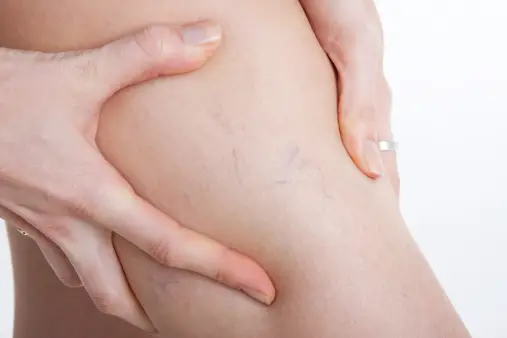
    Spider veins are those little bothersome blue, red, or purple veins that seem to develop in patches. Most spider veins occur on the legs. Although they are not a functional problem in and of themselves, they are the physical signs of a problem with the larger veins that control blood flow from the legs back to the heart.

    The larger veins in the legs contain one-way valves. Muscle action in the legs pushes the low-pressure blood flow through the venous system upwards and the valves keep the blood from pooling. Over time, these valves become incompetent and the blood backs up from the deep veins to the more superficial veins, causing spider veins to develop. The problem is more common in women particularly those who have had children, in obese patients, and patients that have jobs where they do a lot of standing such as teachers, waiters, nurses, and even surgeons.

    Once spider veins develop, the evaluation and treatment must determine whether there is a significant problem with the deeper system, that needs to be treated first. This includes varicose veins and obstruction of the saphenous vein system. Noninvasive studies including Doppler studies will help diagnose these problems. If a larger problem exists, the physician must treat this first, by either ligating the veins, which means tying them off, or using a laser placed inside the vein to obliterate it.

    The most common treatment for spider veins is sclerotherapy. This is a procedure where an irritant, such as high concentrations of saline solution or a detergent is injected into the vein with a very small needle to cause damage to the wall of the vein and obliterate it. If the vein is too small to insert a needle into, the laser has been shown to be effective.
    With either treatment, it is often necessary to treat a second or third time in the area where the spider veins are. Wearing a support hose helps to improve the tone of the legs and decrease the development of spider veins, but it’s difficult to wear a support hose in warm climates such as Houston. Elevating the legs during the day for even 15 minutes will also help with the problem. People that sit on cramped trains or planes for hours should get up every so often and stand on their toes and move the seat back and forth to help push blood through the system.

  • Facial Skin Rejuvenation

    Facial Skin Rejuvenation

    Facial Skin Rejuvenation

    As we age, there are a number of internal and external forces that contribute to the development of facial lines and wrinkles, sagging, and changes in pigmentation and texture.  Our skin cells no longer hold the moisture or retain the elasticity that they did when we were young. Free radicals attack the skin cells to initiate damage. Prolonged sun exposure, over the course of a lifetime, and damaging UV rays are the primary culprit.  Cigarette smoking, living in large cities, exposure to pollution, and poor dietary habits all contribute.

    Fortunately, over the last 20 years, there have been significant breakthroughs in skin care and facial rejuvenation. Most skincare products now contain moisturizers, sunscreens, antioxidants, anti-inflammatory agents, and vitamin nutrients to help replenish the skin.  Patients are taking better care of their skin, no longer relying on “iodine and baby oil” as a tanning oil.  A beautiful bronze tan at age 20 doesn’t translate to a beautiful bronze tan at age 60.  There are over-the-counter skin care products that also help in exfoliating the skin including low-concentration glycolic peels.  Many patients also use vitamin C and retinoic acid products such as Renova.

    Patients that I see in my office consultations vary from those with fine lines and mild skin damage to those with severe damage and deeper lines.  For the more superficial problems such as fine wrinkles and mild pigmentation changes, patients will respond to chemical peels and microdermabrasion.  The chemical peels vary in strength from the milder glycolic acid peels to the more invasive TCA (trichloroacetic acid) peels.  For patients with more severe skin problems, we offer fractional CO2 laser treatment and erbium laser treatment.  These allow penetration into the deeper layers of the skin in order to promote collagen growth as well as treat the more superficial problems.

    For forehead lines and crow’s feet, Botox has become the standard to relax the muscles and diminish these lines.  For lines around the mouth and to augment soft tissue that’s diminished in the cheeks, dermal fillers such as collagen (Evolence) and hyaluronic acid (Juvederm, Restylane) are the treatment of choice.

  • How To Repair & Reverse Skin Damage

    How To Repair & Reverse Skin Damage

    Skin Damage

    Our skin is resilient, but over time, it can undergo various forms of damage due to environmental factors, lifestyle choices, and natural aging processes. Whether you’re dealing with sun damage, wrinkles, discoloration, or other skin concerns, there are effective strategies to repair and reverse damage, restoring your skin’s health and vitality. This guide explores proven methods and skincare practices to help you achieve rejuvenated, youthful-looking skin.

    Understanding Skin Damage

    Types of Skin Damage:

    1. Sun Damage: UV radiation from the sun causes premature aging, including wrinkles, sunspots, and loss of elasticity.
    2. Wrinkles and Fine Lines: These are natural signs of aging but can be exacerbated by sun exposure, smoking, and poor skincare habits.
    3. Hyperpigmentation: Dark spots or uneven skin tone can result from sun exposure, hormonal changes, or acne scars.
    4. Dryness and Dehydration: Insufficient moisture levels in the skin lead to dry, flaky skin and accentuate fine lines.
    5. Loss of Elasticity: Reduced collagen and elastin production cause skin to sag and lose its firmness over time.

    Steps to Repair and Reverse Skin Damage

    1. Protect Your Skin Daily:
    • Sunscreen: Use a broad-spectrum sunscreen with SPF 30 or higher daily, even on cloudy days, to shield your skin from UV damage.
    • Sun Protection: Wear protective clothing, hats, and sunglasses when outdoors to minimize sun exposure.
    1. Adopt a Consistent Skincare Routine:
    • Cleansing: Cleanse your skin twice daily to remove dirt, oil, and pollutants that can contribute to damage.
    • Moisturizing: Use a moisturizer suitable for your skin type to replenish hydration and maintain skin barrier function.
    • Serums and Treatments: Incorporate antioxidant-rich serums (like vitamin C) and retinoids to stimulate collagen production and improve skin texture.
    1. Treat Specific Skin Concerns:
    • Hyperpigmentation: Use products containing ingredients like hydroquinone, kojic acid, niacinamide, or alpha hydroxy acids (AHAs) to lighten dark spots and even out skin tone.
    • Wrinkles and Fine Lines: Consider retinoids (vitamin A derivatives) and peptides to stimulate collagen synthesis and reduce the appearance of wrinkles.
    • Acne Scars: Treat acne scars with topical treatments, chemical peels, microneedling, or laser therapy to promote skin renewal and texture improvement.
    1. Hydrate from Within:
    • Water Intake: Drink plenty of water throughout the day to keep your skin hydrated and maintain overall skin health.
    • Healthy Diet: Consume a balanced diet rich in antioxidants, vitamins (especially A, C, and E), and omega-3 fatty acids to support skin repair and regeneration.
    1. Professional Treatments:
    1. Lifestyle Adjustments:
    • Quit Smoking: Smoking accelerates skin aging and contributes to wrinkles and dullness. Quitting can help reverse some damage.
    • Manage Stress: Chronic stress can exacerbate skin conditions. Practice relaxation techniques like yoga or meditation to promote skin health.
    1. Consistent Follow-Up:
    • Monitor Progress: Keep track of changes in your skin and adjust your skincare routine or treatments accordingly.
    • Regular Check-Ups: Schedule regular visits with a dermatologist or skincare professional for evaluations and personalized recommendations.

    Conclusion

    Repairing and reversing skin damage requires a multifaceted approach that combines diligent skincare practices, protective measures, healthy lifestyle choices, and, when necessary, professional treatments. By addressing specific skin concerns with targeted treatments and maintaining a proactive skincare regimen, you can restore your skin’s natural radiance and vitality over time.

    Remember, patience and consistency are key when striving for visible improvements in skin texture, tone, and overall appearance. With the right strategies and a commitment to skin health, you can achieve a revitalized complexion and enjoy the confidence that comes with healthy, radiant skin.

    Unlock the secrets to repairing and reversing skin damage—empowering yourself with effective strategies for achieving healthy, youthful-looking skin.

  • Tummy Tuck

    I am seeing more patients in my practice now who have a lot of loose abdominal skin than ever before.  Traditionally, tummy tucks were performed on women after childbearing age who had a lot of loose skin. Because of the increased frequency of bariatric surgery i.e. gastric banding and gastric bypass, there are many patients who have lost significant amounts of weight and now have loose skin.  In those situations, it is not only the abdomen, but also the arms, breasts, thighs, and even the back that are loose. Over the last 10 years, the number of abdominoplasties performed by board-certified plastic surgeons has increased from 34,000 to approximately 200,000. Women still outnumber men 40:1.

    There are different techniques of abdominoplasty and an experienced board-certified plastic surgeon knows how to choose the right technique for the patient.  In most cases, the patient not only has loose skin but also has some excess fat, particularly in the love handle and lower back area, as well as the lower abdomen.  They also have laxity of the abdominal muscles.  All of these problems need to be addressed.  In order to help flatten the abdomen effectively, the fascia directly overlying the rectus muscles is plicated or sutured together to prevent the abdomen from distending.  In addition, liposuctioning is done to a limited degree in the abdomen, as well as the love handle and lower back as necessary.

    The length of the incision and tightening of the musculature determines the difference between a “mini tuck” and a standard abdominoplasty.  For the standard abdominoplasty, the muscles are usually tightened from just below the breast bone down to the pubic bone.  For the mini tuck, all the work is done below the belly button or umbilicus. In the standard abdominoplasty, the skin and fat are elevated off the underlying muscle to the level of the ribs.  The hips are then flexed on the operating table and the excess skin is pulled down.  An opening is made in this skin flap and the belly button, which is preserved on its stalk, is then pulled up so that the belly button stays at the same position on the abdominal wall.  In a mini tuck, the skin and fat are only elevated up to the level of the belly button and then the excesses are resected.  In an extended abdominoplasty, the incision extends past the hip bone in order to also lift the thigh and the lateral hip at the same time as flattening the belly.

    I explain to my patients that the length of the incision is not critical, as long as I can be hidden within the panty line.

  • People with Type AB Blood Are More Prone to Memory Loss

    People with Type AB Blood Are More Prone to Memory Loss

    Memory Loss

    For years, doctors have focused on lifestyle choices to prevent memory decline. But a recent study suggests there might be another factor at play: your blood type.

    This research, published in the journal Neurology, found a surprising link between blood type AB and an increased risk of memory problems. Let’s delve into the details and what it means for you.

    Understanding Blood Types and Their Impact

    Blood types are a critical part of our genetic makeup, determining how our bodies react to various conditions and influences. While many are aware of the basic blood types—A, B, AB, and O—not everyone knows that these types can influence more than just our compatibility for blood transfusions. Recent research has suggested that individuals with type AB blood might be at a higher risk for memory loss and cognitive decline as they age.

    The AB Blood Type Connection

    The study, involving over 30,000 participants, found people with type AB blood were 82% more likely to develop cognitive issues compared to other blood types. This association suggests a potential genetic link between the ABO gene (which determines blood type) and brain function.

    Why Might AB Be a Risk Factor?

    Researchers are still exploring the exact reasons behind this connection. Here are some possible explanations:

    • Indirect Effects: Blood type might influence health conditions like high blood pressure, cholesterol, or diabetes, all of which can contribute to memory decline.
    • Direct Impact on Brain Function: The ABO gene may have a more direct effect on brain functions related to memory and cognition.

    Important Cautions

    While the study highlights a potential risk, it’s crucial to remember a few things:

    • Correlation vs. Causation: The research shows an association, not a definitive cause-and-effect relationship.
    • Small Increase in Risk: Even with the 82% increase, the absolute risk for people with type AB remains relatively low.
    • Focus on Controllable Factors: Maintaining a healthy lifestyle with good diet, exercise, and stress management is still the most significant approach to preventing memory loss.

    What This Means for You

    If you have type AB blood, there’s no need to panic. Here’s how to approach this information:

    • Be Aware: Knowing this potential risk allows you to prioritize healthy habits that support brain health.
    • Talk to Your Doctor: Discuss your memory concerns and get personalized advice based on your health history.
    • Maintain a Healthy Lifestyle: Focus on activities that promote brain function, like staying mentally stimulated, getting enough sleep, and managing chronic health conditions.

    The Future of Blood Type and Memory Research

    This study opens doors for further research into the link between blood type and cognitive function. Here’s what we might see in the future:

    • Understanding the Mechanism: Scientists will dig deeper to understand the exact biological processes involved.
    • Refined Risk Assessment: Future studies may identify additional factors that influence the risk within blood type AB.
    • Developing Preventive Measures: Understanding the mechanisms could lead to targeted interventions to reduce memory decline risk.

    The Role of Blood Type in Overall Health

    While the link between type AB blood and cognitive decline is notable, it’s important to remember that blood type can influence various aspects of health. For instance, people with type O blood are less likely to develop heart disease, while those with type A or B blood are at higher risk for certain cancers. Understanding these connections can help individuals take proactive steps to manage their health risks.

    Mitigating the Risk: Steps to Protect Your Cognitive Health

    If you have type AB blood, it doesn’t mean you’re destined to experience memory loss. There are several proactive steps you can take to support your brain health:

    1. Healthy Diet: A balanced diet rich in fruits, vegetables, whole grains, and lean proteins can support overall health and brain function. Foods high in antioxidants, omega-3 fatty acids, and vitamins like B12 and D can be particularly beneficial.
    2. Regular Exercise: Physical activity increases blood flow to the brain and can help reduce the risk of cognitive decline. Aim for at least 150 minutes of moderate exercise per week.
    3. Mental Stimulation: Engage in activities that challenge your brain, such as puzzles, reading, learning new skills, or playing musical instruments. These activities can help maintain cognitive function.
    4. Social Engagement: Staying socially active can support brain health. Engage with friends, family, and community groups to maintain a robust social network.
    5. Regular Health Check-Ups: Regular visits to your healthcare provider can help monitor and manage health conditions that might affect cognitive function, such as hypertension, diabetes, and cholesterol levels.
    6. Manage Stress: Chronic stress can have a negative impact on brain health. Techniques such as mindfulness, meditation, and yoga can help manage stress levels.

    The Importance of Research and Awareness

    The connection between blood type and cognitive health is an area of ongoing research. Continued studies are crucial for understanding the mechanisms behind this link and developing targeted strategies to mitigate risks. Increased awareness about these findings can empower individuals, particularly those with type AB blood, to take proactive steps in preserving their cognitive health.

    Conclusion

    While having type AB blood may increase the risk of memory loss, it is only one factor among many that contribute to cognitive health. By staying informed and adopting healthy lifestyle habits, individuals can support their brain health and reduce the risk of cognitive decline. Ongoing research will continue to shed light on these connections, helping us understand more about how our blood types influence our overall health.

  • Holiday Season Quick Fixes

    Holiday Season Quick Fixes

    Botox injections

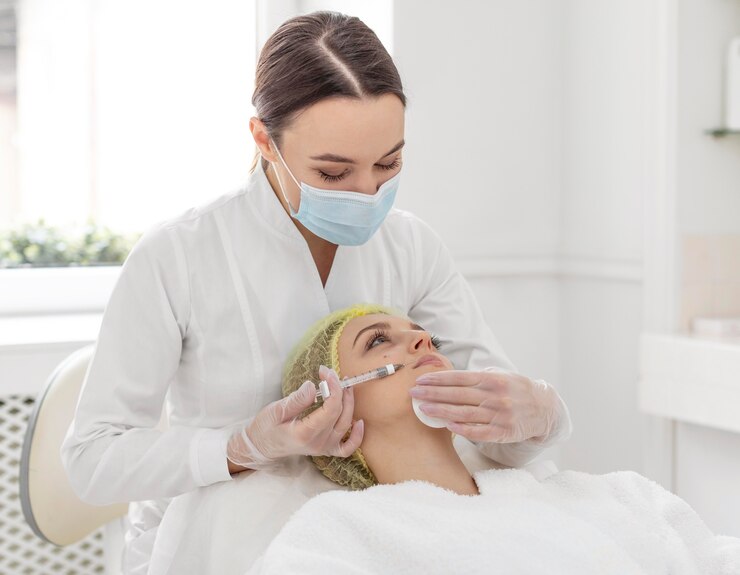
    As the holiday season approaches, there are many parties and benefits to attend. Patients want to look refreshed and rejuvenated without significant downtime. They are looking for what I call “quick fixes”.

    The most common procedures that we offer are Botox injections, to relieve the wrinkling of the forehead, crow’s feet, and frown lines, and dermal filler injections to plump up the cheeks and lines around the mouth. The filters can also be used along the jawline to camouflage mild jowl formation. Most fillers will last up to a year. These include hyaluronic acid fillers such as Juvederm and Restylane, collagen fillers such as Evolence, and more permanent fillers such as Artefill. They’re great for enhancing the lips also.

    On the skincare aspect, my estheticians offer Fotofacial IPL, chemical peels, and Microdermabrasion. All of these procedures are intended to remove the superficial layer of damaged skin, by various mechanisms, and encourage healthy new skin formation by stimulating collagen formation in the skin as well as promoting growth factors and improving blood supply.

    At the same time, the latest technology in skincare products includes antioxidants to treat free radical damage due to external and internal factors, different soothing complexes including green tea and acai berry to reduce inflammation, and oxygen boosting agents to leave the skin fresher and healthier for the holidays.


  • For the treatment of life-threatening deep vein

    For the treatment of life-threatening deep vein

    deep vein treatment

    What is deep vein thrombosis? 

    Deep vein thrombosis (DVT), also known as venous thrombosis, occurs when a blood clot (thrombus) forms in the deep veins of the body due to vein injury or sluggish blood flow. These clots can partially or completely block blood flow through the affected vein. DVTs commonly occur in the lower leg, thigh, or pelvis, but can also develop in the arm, brain, intestines, liver, or kidney.

    What is the danger of DVT? 

    While DVT itself is not life-threatening, the clots can break loose and travel through the bloodstream, potentially causing a pulmonary embolism (PE) if they lodge in the lungs. PE is a serious condition that requires immediate medical attention. Additionally, about half of people with DVT in their legs may develop post-thrombotic syndrome, characterized by chronic leg pain, swelling, and other symptoms due to valve and vein damage.

    Characteristics of post-thrombotic syndrome include:

    • Pooling of blood
    • Chronic leg swelling
    • Increased pressure within the veins
    • Skin discoloration
    • Venous stasis ulcers (leg ulcers)

    What is the difference between DVT and superficial venous thrombosis? 

    Superficial venous thrombosis, also known as phlebitis or superficial thrombophlebitis, occurs when clots form in veins near the skin’s surface. These clots rarely travel to the lungs unless they move to the deep venous system. Superficial vein clots can be diagnosed through a physical exam, whereas DVT requires an ultrasound for diagnosis.

    How common is deep vein thrombosis? 

    In the United States, approximately 1 to 3 in every 1,000 adults develop DVT or pulmonary embolism annually, with up to 300,000 deaths resulting from these conditions each year. DVT/PE is the third most common vascular disease, following heart attacks and strokes. While acute DVT/PE can occur at any age, they are less common in children and adolescents and more frequent in those over 60. Over half of all DVT cases are linked to hospital stays due to medical illness or surgery, as extended bed rest reduces normal movement.

    Symptoms and Causes

    What are the symptoms of deep vein thrombosis? 

    DVT usually forms in the veins of the legs or arms. While up to 30% of people with DVT may not show symptoms, some common signs include:

    • Sudden swelling in the leg or arm
    • Pain or tenderness in the leg or arm, especially when standing or walking
    • Warmth in the affected area
    • Red or discolored skin
    • Enlarged veins near the skin’s surface
    • Abdominal pain or flank pain (if clots affect deep abdominal veins)
    • Severe headache or seizures (if clots affect brain veins)

    Some people only discover they have DVT when a clot moves to the lung, causing symptoms such as chest pain, shortness of breath, coughing blood, lightheadedness, and fainting. It’s crucial to seek immediate medical attention if you experience symptoms of DVT to prevent serious complications.

    What causes deep vein thrombosis? 

    Risk factors for DVT include:

    • Genetic predisposition to blood clots
    • Cancer and certain cancer treatments
    • Personal or family history of DVT
    • Limited blood flow due to injury, surgery, or immobilization
    • Prolonged immobility (e.g., long trips, post-surgery recovery)
    • Pregnancy or recent childbirth
    • Age over 40 (though DVT can affect any age)
    • Overweight or obesity
    • Autoimmune diseases (e.g., lupus, vasculitis, inflammatory bowel disease)
    • Tobacco use
    • Varicose veins
    • Birth control pills or hormone therapy
    • Central venous catheter or pacemaker
    • COVID-19

    Conclusion

    Deep vein thrombosis (DVT) is a serious condition where blood clots form in the deep veins, most commonly in the legs, posing a risk of breaking free and causing potentially fatal complications like pulmonary embolism (PE). While DVT itself is not life-threatening, its complications necessitate immediate medical intervention. Symptoms can vary from none to severe, including leg or arm swelling, pain, and redness. Many risk factors contribute to DVT, such as genetic predispositions, prolonged immobility, surgery, cancer, and certain medications. Awareness and prompt treatment are crucial in preventing severe outcomes. Recognizing the signs and understanding the risk factors can help in early diagnosis and effective management, ultimately reducing the incidence of life-threatening complications.

  • Post-Bariatric Body Contouring Improves QOL

    Post-Bariatric Body Contouring Improves QOL

    Post-Bariatric Body Contouring

    Body contouring surgery following bariatric surgery may help patients to sustain a long-term improvement in perceived quality of life, a recent study has found.

    Researchers at Utrecht University and St. Antonius Hospital in the Netherlands found that patient perception of quality of life after bariatric surgery was significantly better in six of seven domains than it was before surgery.

    The investigators measured quality of life in 33 post-bariatric surgery patients at four and seven years after body contouring surgery — a mean of 11 years after bariatric surgery — and retrospectively before body contouring. It is the first study analyzing long-term perceptions of quality of life in a relatively large population of post-bariatric surgery patients, the authors wrote.

    The researchers observed a small deterioration in quality of life between the four and seven-year follow-up. The decline could be due to patients acclimating to the appearance of their improved skin resection, the reality of corrective surgery being less than what they expected, and weight regains, according to the study authors.

    Reconstructive surgery is a valuable component in a multidisciplinary approach to treating morbid obesity; however, surgeons should be sure to offer realistic and extensive preoperative information about both the possibilities and limits to body contouring surgery to better manage patients’ expectations, the authors concluded.

    Dr. Joseph Perlman, a board-certified plastic surgeon practicing in Spring, Texas has treated many patients with skin redundancy after massive weight loss. “Although many patients have undergone surgical procedures, i.e. gastric banding, gastric sleeve, or gastric bypass, my best results are in patients who have lost weight with diet and exercise. In patients post-gastric bypass surgery, it’s very important to make sure that they are healthy from a nutritional standpoint. Some of these patients are anemic or have lost the ability to absorb certain nutrients, because of the bypass. It’s essential to have recent lab work on these patients and to speak with their treating physician.”

    Dr. Perlman performs lower body lifts which is a combination of a tummy tuck with buttocks and lateral thigh lifts as well as medial thigh lifts, breast augmentation/lifts, and reduction in skin laxity in the upper arm (Brachioplasty).

    The study was published in the November 2012 issue of Plastic and Reconstructive Surgery