Category: Blog

  • More Holiday Quick Fixes

    More Holiday Quick Fixes

    Holiday fit body

    With the busy holiday season upon us, many of my patients are looking for quick fixes. In previous posts, we talked about dermal fillers to plump up the facial lines as well as using Botox to smooth out the wrinkles on the upper face. My practice is one of the busiest in the city, particularly at this time of year, for injections of my favorite dermal filler, Juvederm. This is made of hyaluronic acid, one of the natural building blocks of the skin, along with collagen. Juvederm voluma xc is a smooth filler that I like to use, especially for the nasolabial folds and the marionette lines in the corners of the mouth. It’s also great to help turn the corners of the mouth upward by adding volume to the lower cheek.

    We see many patients in the office for lip enhancement. The majority of patients are interested in smoothing out the vertical upper lip lines as well as adding some volume to the lip because as one age, your lips thin out. Juvederm is a great filler for these areas also. I’ll often inject a small ribbon of Juvederm along the upper lip border, although some patients will need injections into the vertical lift lines themselves.

    We are starting to see more patients who are interested in a more permanent enhancement of their lips. For these patients, we offer implants. The quality of implants has changed over the years. We had satisfactory results with Alloderm, which is a cadaver dermal graft, as well as Advanta, which is made up of a Gortex-like material. Lately, we have almost exclusively started using Permasil. This is a great lip implant. It is made from silicone and is shaped like a gummy bear worm. It comes in three different sizes, depending on how full the patient wants their lips to look. The insertion is quite easy through small incisions in the corners of the mouth and to date, we have not had any problems. Our patients have been 100% happy with the results. This is definitely the way to go for patients who like full lips, but don’t like to return yearly for injections.

  • Topic – Tummy Tuck

    Topic – Tummy Tuck

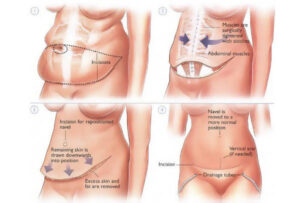
    Tummy Tuck ProcessI am seeing more patients in my practice now, who have a lot of loose abdominal skin, than ever before.  Traditionally, tummy tucks were performed on women, after childbearing age, who had a lot of loose skin. Because of the increased frequency of bariatric surgery i.e. gastric banding and gastric bypass, many patients have lost significant amounts of weight and now have loose skin.  In those situations, it is not only the abdomen but also the arms, breasts, thighs, and even the back that are loose.Over the last 10 years, the number of abdominoplasties, performed by board-certified plastic surgeons, has increased from 34,000 to approximately 200,000. Women still outnumber men 40:1.

    There are different techniques of abdominoplasty and an experienced board-certified plastic surgeon knows how to choose the right technique for the patient.  In most cases, the patient not only has loose skin but also has some excess fat, particularly in the love handle and lower back area, as well as lower abdomen.  They also have laxity of the abdominal muscles.  All of these problems need to be addressed.  To help flatten the abdomen effectively, the fascia directly overlying the rectus muscles is plicated, or sutured together to prevent the abdomen from distending.  In addition, liposuctioning is done to a limited degree in the abdomen, as well as love handle and lower back as necessary.

    The length of the incision and tightening of the musculature determines the difference between a “mini tuck” and a standard abdominoplasty.  For the standard abdominoplasty, the muscles are usually tightened from just below the breast bone down to the pubic bone.  For the mini tuck, all the work is done below the belly button or umbilicus. In the standard abdominoplasty, the skin and fat are elevated off the underlying muscle to the level of the ribs.  The hips are then flexed on the operating table and the excess skin is pulled down.  An opening is made in this skin flap and the belly button, which is preserved on its stalk, is then pulled up so that the belly button stays at the same position on the abdominal wall.  In a mini tuck, the skin and fat are only elevated up to the level of the belly button and then the excesses are resected.  In an extended abdominoplasty, the incision extends past the hip bone to also lift the thigh and the lateral hip at the same time as flattening the belly.

    I explain to my patients that the length of the incision is not critical, as long as I can be hidden within the panty line.

    Frequently Asked Question

  • Physical Inactivity Can Lead to Pulmonary Embolism

    Physical Inactivity Can Lead to Pulmonary Embolism

    Physical Inactivity

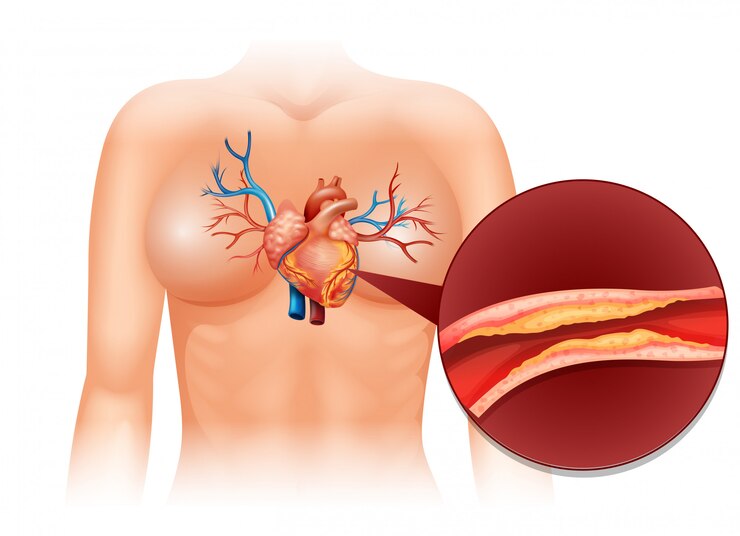
    Physical inactivity is often associated with a host of health risks, but one particularly serious consequence is the increased risk of pulmonary embolism (PE). This condition occurs when a blood clot, typically originating in the legs (deep vein thrombosis), travels to the lungs and obstructs blood flow.

    Understanding Pulmonary Embolism

    Pulmonary embolism is a life-threatening condition that requires immediate medical attention. When a blood clot lodges in the arteries of the lungs, it can disrupt blood flow, causing potentially severe complications such as lung damage and even death if not promptly treated.

    The Role of Physical Activity

    Regular physical activity is crucial for maintaining cardiovascular health and reducing the risk of blood clot formation. Here’s how physical inactivity can contribute to an increased risk of pulmonary embolism:

    1. Blood Circulation: Physical activity promotes healthy blood circulation, which helps prevent blood clots from forming in the veins.
    2. Venous Stasis: Prolonged periods of sitting or immobility can lead to venous stasis, where blood pools in the veins of the legs, increasing the likelihood of clot formation.
    3. Muscle Contraction: Movement and exercise stimulate the contraction of leg muscles, which assists in pushing blood back towards the heart and prevents clotting.

    Risk Factors for Pulmonary Embolism

    Several factors can increase the risk of developing pulmonary embolism, including:

    • Sedentary Lifestyle: Lack of physical activity and prolonged sitting or bed rest.
    • Obesity: Excess weight can strain the cardiovascular system and contribute to clot formation.
    • Smoking: Increases the risk of clot formation and cardiovascular disease.
    • Certain Medical Conditions: Such as cancer, heart disease, and genetic predispositions to clotting disorders.

    Preventive Measures

    To reduce the risk of pulmonary embolism associated with physical inactivity, consider the following preventive measures:

    • Stay Active: Engage in regular physical activity, such as walking, swimming, or cycling, to promote circulation and overall cardiovascular health.
    • Take Breaks: If you have a sedentary job, take frequent breaks to stretch and move around.
    • Maintain a Healthy Weight: Obesity is a risk factor for many health conditions, including pulmonary embolism. Maintain a balanced diet and exercise regularly to manage weight.
    • Hydration: Stay hydrated to help prevent blood from thickening and forming clots.

    Conclusion

    Physical inactivity poses significant risks to cardiovascular health, including an increased risk of pulmonary embolism. By prioritizing regular exercise, maintaining a healthy lifestyle, and being aware of the dangers of prolonged sitting, you can take proactive steps to safeguard your health.

    Remember, prevention and awareness are key in reducing the risk of pulmonary embolism and promoting overall well-being. Stay active, stay informed, and prioritize your cardiovascular health.

    Take a step towards better health today—move more, sit less, and protect your heart.

  • Upper Abdominal Lift

    Upper Abdominal Lift

    Upper Abdominal Lift

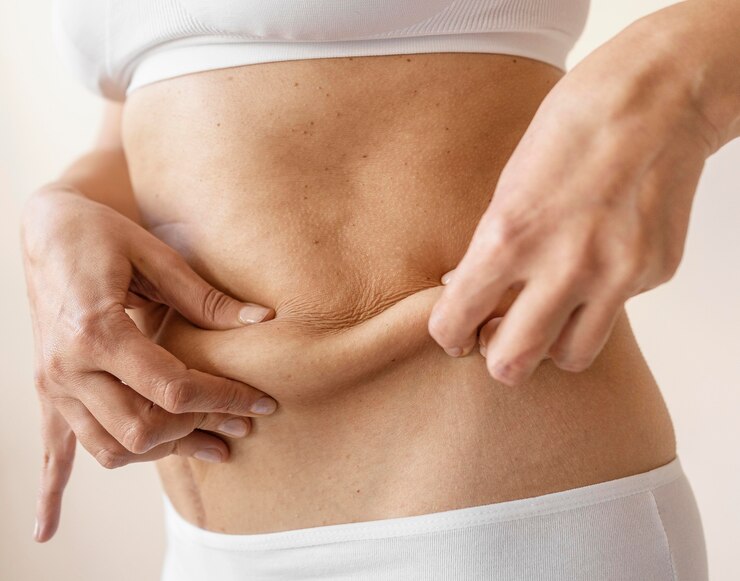
    Many patients seek body contouring surgery for looseness of the abdominal skin, particularly after childbearing or after massive weight loss.

    Traditional abdominoplasty, i.e. tummy tuck, involves making an incision horizontally across the top of the pubic region and extending the incision laterally to the hip bones. The skin and fatty tissue are then elevated off the underlying fascia (the glistening white tissue) and muscle. The fascia and muscle are then flattened out with sutures that plicate the tissue. The extra skin is then pulled down and removed and the incision closed. This will flatten out the lower portion of the abdomen below the belly button but does not always flatten out the upper portion. For this problem, I have been working on a solution I call the upper abdominal lift.

    I have to give my wife credit for the idea. Through an incision in the inframmary crease, beneath the breasts, I dissect down and grab the tough fascia layer. I then pull it up and suture it with permanent sutures, to the ligamentous tissue over the ribs. I then remove a small ellipse of skin. This flattens out the upper abdomen nicely and the results appear to be lasting. The scar is inconspicuous.

    The procedure works great, especially if the patient is having breast surgery (either an augmentation and/or lift) done at the same time as the abdominal surgery.

  • Puffy Eyelids

    Puffy Eyelids

    Puffy Eyelids

    I just returned from a restful vacation. Not only was I stress-free but I was also allergy free. It did not take long to return to the typical Houston weather and my allergies flared back up. It was back to the over-the-counter antihistamines and decongestants. It still left me with puffiness of the lower eyelids. This is a common symptom of “hayfever”, although most allergies are due to other air contaminants including pollution, mold, cedar, and pollen.

    In my practice, I see many patients who desire to have treatment for excess eyelid skin and puffiness. In many older patients, the problem is due to the laxity of the membrane that keeps the fat around the eyeball in its proper place. The eyeball only occupies about half the space of the eye socket. The rest is filled with fat which serves as a shock absorber as well as the muscles that move the eyelids and eyeball. As we get older, the membrane that holds the fat pads in place weakens and the fat “pooches forward”. A surgery called blepharoplasty removes some of the herniated fat and repositions the remainder. Over the course of the last 20 years, the philosophy in regard to eyelids surgery has changed. When I was a resident over 25 years ago, the common practice was to remove the fat that was herniated, but this tended to leave a more sunken look to the eyelids, particularly the lower eyelid. Nowadays, we have learned to conserve and reposition fat rather than remove as much as we used to.

    For patients whose puffiness is due to allergies, over-the-counter antihistamines, and decongestants will help. There are also creams available that contained penta peptides. These are proteins made of essential amino acids, that I discussed in a previous broadcast. These penta peptides strengthen the capillaries in the eyelids to prevent fluid from leaking out. They also help promote the removal of the fluid from the eyelid tissue. This also corrects the discoloration that many people have that causes dark circles of the lower eyelids.

  • Obstructive Sleep Apnea Linked to Cardiovascular Disease

    Obstructive Sleep Apnea Linked to Cardiovascular Disease

    In the realm of sleep disorders, obstructive sleep apnea (OSA) stands out not only for its impact on sleep quality but also for its significant association with cardiovascular disease (CVD). This blog explores the intricate connection between OSA and cardiovascular health, shedding light on why managing this condition is crucial for overall well-being.

    Understanding Obstructive Sleep Apnea

    Obstructive sleep apnea is a condition characterized by repeated episodes of complete or partial obstruction of the upper airway during sleep. These interruptions in breathing can lead to fragmented sleep patterns and a decrease in oxygen levels in the blood. Common symptoms include loud snoring, choking or gasping during sleep, daytime fatigue, and morning headaches.

    The Link with Cardiovascular Disease

    Research has established a strong link between obstructive sleep apnea and various cardiovascular conditions. Here are some ways OSA can impact heart health:

    1. Hypertension (High Blood Pressure): The recurrent drops in oxygen levels and fragmented sleep associated with OSA can contribute to hypertension. Over time, untreated hypertension increases the risk of heart disease, stroke, and other cardiovascular complications.
    2. Heart Disease: OSA has been linked to an increased risk of coronary artery disease, heart attack, and abnormal heart rhythms (arrhythmias). The chronic stress on the cardiovascular system due to intermittent hypoxia and changes in blood pressure during apnea episodes can damage the heart muscle and impair its function.
    3. Stroke: Individuals with OSA are at a higher risk of suffering from strokes, which can occur due to the impact of untreated sleep apnea on blood pressure and blood flow to the brain.
    4. Heart Failure: The strain OSA places on the heart can contribute to the development or worsening of heart failure—a condition where the heart is unable to pump blood effectively to meet the body’s needs.

    Mechanisms of Harm

    Several mechanisms contribute to the cardiovascular damage associated with OSA:

    • Intermittent Hypoxia: Episodes of oxygen deprivation followed by re-oxygenation during apnea events can trigger systemic inflammation, oxidative stress, and endothelial dysfunction—all of which can contribute to atherosclerosis and cardiovascular disease.
    • Sympathetic Activation: OSA activates the sympathetic nervous system, leading to increased heart rate, blood pressure, and stress hormone release, which can strain the cardiovascular system over time.

    Screening and Diagnosis

    Diagnosing OSA typically involves a sleep study (polysomnography) to monitor breathing patterns, oxygen levels, and other physiological parameters during sleep. Symptoms such as excessive daytime sleepiness, snoring, and witnessed apneas are key indicators that prompt further evaluation by a healthcare professional.

    Treatment Options

    Effective management of OSA is essential not only for improving sleep quality but also for reducing the associated cardiovascular risks. Treatment options include:

    • Continuous Positive Airway Pressure (CPAP): The most common treatment for OSA, CPAP therapy involves wearing a mask during sleep that delivers a continuous flow of air to keep the airway open.
    • Oral Appliances: Dental devices can help reposition the jaw and tongue to maintain an open airway during sleep, particularly for individuals with mild to moderate OSA.
    • Lifestyle Changes: Weight loss, avoiding alcohol and sedatives before bedtime, and sleeping on your side instead of your back can help reduce symptoms of OSA.
    • Surgery: In some cases, surgical procedures may be recommended to address anatomical issues causing airway obstruction.

    Conclusion

    Obstructive sleep apnea is not merely a disruption of sleep; it is a serious medical condition that significantly impacts cardiovascular health. The association between OSA and conditions like hypertension, heart disease, stroke, and heart failure underscores the importance of timely diagnosis and treatment.

    If you suspect you or someone you know may have OSA, seek evaluation by a healthcare professional. Early intervention can improve sleep quality, reduce cardiovascular risks, and enhance overall quality of life.

    Take charge of your sleep health today—understand the risks of OSA and prioritize your cardiovascular well-being.

  • Blood Vessel Problems Don’t Cause Multiple Sclerosis

    Blood Vessel Problems Don’t Cause Multiple Sclerosis

    Blood Vessel Problems

    A new study reveals that multiple sclerosis (MS) is not caused by a blood vessel disorder. Accordingly, there is no need for MS patients to undergo any surgical procedure that involves opening the veins that connect the spinal cord and brain to the heart.

    While surgery is a very appealing quick-fix solution, Dr. Bridget Bagert of Ochsner Clinic Foundation in New Orleans says, “It’s really not the right thing to do if the problem isn’t established as being real.”

    MS is an inflammatory disease that involves the deterioration of the fatty myelin sheaths that wrap around the axons of the spinal cord and brain. Damage to this protective coating can slow down the brain’s ability to communicate with the rest of the body.

    A few well-publicized studies were made linking MS with blood vessel problems. In 2009, Dr. Paolo Zamboni associated MS with a condition known as chronic cerebrospinal venous insufficiency (CCSVI). His theory was that the veins that carry blood from the spinal cord and brain to the heart have become narrow. As a result, the blood is leaked back to the brain. Dr. Zamboni and his colleagues believed that this can cause inflammation and the eventual muscle problems seen in MS patients.

    But Dr. Bagert disputes Dr. Zamboni’s theory. “That really casts a lot of doubt on to whether CCSVI exists at all, let alone whether or not it’s the cause of MS.”

    Dr. Ellen Marder, from the University of Texas Southwestern Medical Center in Dallas, also supports Dr. Bagert’s view, “We don’t think (CCSVI) is the cause of multiple sclerosis.”

  • Dip in Blood Pressure Raises Risk of Blood Clotting

    Dip in Blood Pressure Raises Risk of Blood Clotting

    Blood Vessel Problems

    Blood pressure is a crucial indicator of cardiovascular health, influencing various aspects of our body’s function. Recent studies have highlighted a significant correlation between dips in blood pressure and an increased risk of blood clotting, emphasizing the importance of maintaining stable blood pressure levels for overall well-being. In this comprehensive guide, we delve into the mechanisms behind this phenomenon, explore its implications for health, and discuss preventive measures and treatment options to mitigate these risks effectively.

    The Role of Blood Pressure in Circulatory Health

    Blood pressure, measured as the force exerted by circulating blood against the walls of arteries, plays a vital role in maintaining adequate blood flow throughout the body. It consists of two primary measurements:

    • Systolic Pressure: The higher number, indicating the pressure when the heart contracts and pumps blood into the arteries.
    • Diastolic Pressure: The lower number, representing the pressure when the heart relaxes between beats.

    Normal blood pressure typically ranges around 120/80 mmHg. Fluctuations in blood pressure, whether sudden drops or spikes, can impact cardiovascular health and predispose individuals to various complications, including blood clot formation.

    Understanding Blood Clotting

    Blood clotting, or coagulation, is a natural process that prevents excessive bleeding when blood vessels are injured. However, abnormalities in this process can lead to the formation of clots within blood vessels, potentially causing severe health issues such as:

    • Deep Vein Thrombosis (DVT): Clots forming in deep veins, commonly in the legs, which can lead to complications if dislodged and travel to the lungs (pulmonary embolism).
    • Stroke: Clots blocking blood flow to the brain, often resulting from atrial fibrillation or other heart conditions.
    • Heart Attack: Clots obstructing blood flow to the heart muscle, causing damage or failure.

    The Link Between Blood Pressure Dips and Blood Clotting

    Recent medical research has identified a concerning association between sudden dips in blood pressure and an increased risk of blood clotting. When blood pressure drops significantly, the following mechanisms may contribute to clot formation:

    • Impaired Blood Flow: Low blood pressure can slow down circulation, especially in areas prone to stasis, such as veins in the legs or heart chambers.
    • Endothelial Dysfunction: Fluctuations in blood pressure can damage the inner lining of blood vessels (endothelium), promoting clot formation.
    • Increased Clotting Factors: Low blood pressure can trigger the release of clotting factors, accelerating the formation of abnormal clots.

    Implications for Health and Well-being

    Understanding the implications of blood pressure dips on clotting risk is crucial for preventing serious health complications. Individuals at higher risk include:

    • Those with Hypotension: Individuals with chronically low blood pressure (hypotension) may be more susceptible to clotting events during episodes of further pressure drops.
    • Elderly Individuals: Age-related changes in blood vessel elasticity and overall cardiovascular function can increase susceptibility to both hypotension and clotting disorders.
    • Patients with Cardiovascular Conditions: Individuals with pre-existing heart conditions, diabetes, or those recovering from surgery are at heightened risk due to compromised cardiovascular stability.

    Preventive Measures and Treatment Options

    Maintaining stable blood pressure levels is essential for reducing the risk of blood clotting events. Effective preventive measures include:

    • Regular Monitoring: Monitoring blood pressure regularly and consulting healthcare providers to adjust medications or lifestyle changes accordingly.
    • Hydration: Adequate hydration helps maintain blood volume and circulation, reducing the risk of hypotension-induced clotting.
    • Healthy Diet: Consuming a balanced diet low in sodium and saturated fats supports cardiovascular health and blood pressure regulation.
    • Physical Activity: Regular exercise improves circulation, muscle tone, and overall cardiovascular function, reducing the likelihood of blood pressure fluctuations.

    Conclusion: Taking Control of Your Cardiovascular Health

    The relationship between blood pressure dips and blood clotting underscores the importance of proactive health management. By prioritizing regular blood pressure monitoring, adopting a healthy lifestyle, and seeking timely medical intervention when necessary, individuals can mitigate the risks associated with hypotension-induced clotting events. Awareness of these dynamics empowers individuals to make informed decisions about their cardiovascular well-being, ensuring a healthier and more resilient future.

    Incorporating these insights into daily life fosters a proactive approach to cardiovascular health, reducing the likelihood of blood clotting complications and promoting overall well-being. Stay informed, stay proactive, and prioritize your cardiovascular health to safeguard against the potential risks posed by blood pressure dips. Your journey to optimal health begins with understanding and addressing the intricate balance between blood pressure regulation and clotting prevention.

  • Medical Weight Loss… That Makes Sense

    Medical Weight Loss… That Makes Sense

    Tummy Tuck

    For many individuals, achieving and maintaining a healthy weight can be a challenging and frustrating journey. At The Advanced Plastic Surgery Centre, under the expert guidance of Dr. Perlman, we understand that effective weight loss is about more than just dieting—it’s about embracing a comprehensive, medically supervised approach that leads to long-term health and wellness. Here’s why medical weight loss makes sense for those seeking sustainable and safe weight management solutions.

    Understanding Medical Weight Loss

    Medical weight loss involves a structured program overseen by healthcare professionals. This multidisciplinary approach combines the expertise of doctors, dietitians, fitness trainers, and sometimes psychologists to create a tailored plan that addresses each individual’s unique needs and health concerns.

    Key Components of Medical Weight Loss

    1. Comprehensive Medical Evaluation: The journey begins with an in-depth medical evaluation. Dr. Perlman and his team assess your overall health, medical history, and any underlying conditions that may influence your weight. This step might include blood tests, metabolic rate assessments, and screenings for conditions like diabetes or thyroid disorders.
    2. Customized Nutrition Plan: Based on the evaluation, a personalized nutrition plan is developed. This plan focuses on balanced, sustainable eating habits rather than restrictive diets. It emphasizes the importance of nutrient-rich foods, portion control, and meal timing to ensure you receive the necessary vitamins and minerals while losing weight.
    3. Personalized Exercise Regimen: Physical activity is crucial for effective weight loss. Our team designs a customized exercise plan that fits your fitness level and goals. Whether it’s cardio, strength training, or flexibility exercises, the plan ensures you stay active and burn calories effectively.
    4. Behavioral Therapy: Addressing the psychological aspects of weight loss is vital. Behavioral therapy helps you understand and change your relationship with food, manage stress, and build healthy habits that support long-term weight management.
    5. Medical Interventions: In some cases, Dr. Perlman might recommend medical interventions such as prescription medications or, for those who qualify, bariatric surgery. These interventions are considered when lifestyle changes alone are insufficient or when obesity presents significant health risks.

    Why Medical Weight Loss Makes Sense

    1. Individualized Care: Unlike generic diet plans, medical weight loss programs are tailored to your specific needs, making them more effective and sustainable.
    2. Scientific and Evidence-Based: Our approach is grounded in scientific research and clinical evidence, ensuring that the methods we use are safe and effective.
    3. Holistic Approach: By addressing physical, nutritional, and psychological factors, we provide a comprehensive solution that promotes overall well-being.
    4. Long-Term Success: The focus is on sustainable weight loss. By fostering healthy lifestyle changes, we help you achieve and maintain your weight loss goals.
    5. Professional Support: With ongoing support from Dr. Perlman and his team, you receive the guidance and encouragement needed to stay motivated and on track.

    Getting Started with Medical Weight Loss

    If you’re ready to embark on a medically supervised weight loss journey, the first step is to schedule a consultation with Dr. Perlman at The Advanced Plastic Surgery Centre. During this initial meeting, we will conduct a thorough evaluation and discuss the best options tailored to your health status and weight loss goals.

    Conclusion

    At The Advanced Plastic Surgery Centre, we believe that medical weight loss is a sensible and effective approach to achieving and maintaining a healthy weight. Under the expert care of Dr. Perlman, you can embark on a journey that not only helps you shed pounds but also enhances your overall health and quality of life. If traditional diets and weight loss methods have not worked for you, consider the comprehensive, scientifically-backed solution that medical weight loss offers. It’s time to take control of your health and enjoy the benefits of a healthier, happier life.

  • Topic – Tattoo Removal

    Topic – Tattoo Removal

    Tattoo Removal

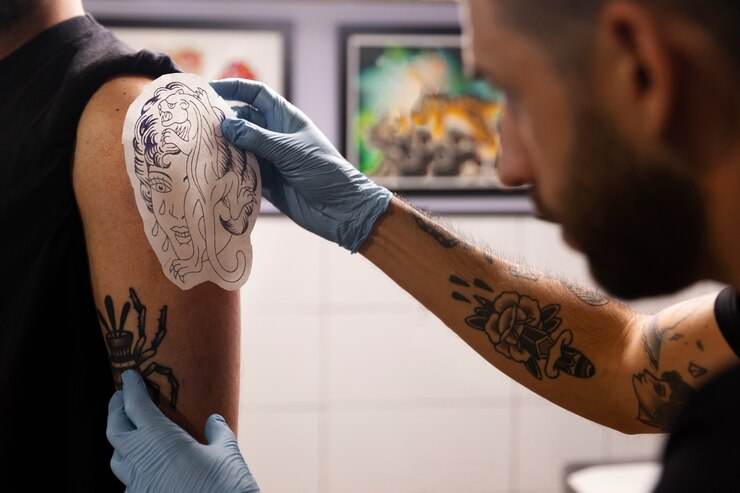
    Decorative tattoos have been part of the culture for thousands of years. No longer is it limited to military personnel and athletes. We’re seeing many younger patients, especially women, getting exotic tattoos often in multiple locations. It is estimated that in the United States, 25% of women between the ages of 19 and 35 have a tattoo.

    Although many choose to have a small tattoo placed on their body in an area that’s easy to cover with clothing, we’re seeing more patients with tattoos on their lower arms and necks. These are obviously difficult places to cover with clothing. The reasons for removing the tattoo include “outgrowing the usefulness or novelty”, “my job prohibits me from having a tattoo that can’t be concealed” or “I’m no longer married to or dating the person whose name is on the tattoo”. The Harris County Medical Society, of which I’m a member, offers a “De-Tag” program for juveniles who are in custody to remove gang tattoos. Members of the Medical Society donate their time and the laser companies donate lasers and technicians to spend a few hours on a Saturday to help these young men and women try to get a new start on life.

    A few tattoos can be covered with a heavy concealer, on a temporary basis but most patients want the tattoo removed. Over the years there have been a number of techniques to expunge the dye, including using coarse salt and a sponge to scrub the ink out or abrasion to sandblast the dye, freezing the tissue, and using creams to try to leech out the dye, and the use of radio-frequency needles to create blisters, but these have not been very successful or have left noticeable scars.

    With the development of lasers, including Q. switched lasers in particular, physicians are able to target specific colors in the tattoo to selectively fracture the pigment granules so that they can be absorbed with less scarring.

    Tattoo removal is a multi-treatment process, even with a simple black tattoo. Because of the multiple colors in many tattoos, it is necessary to use different lasers or filters. The laser light has to be specific to that color so that it is absorbed at a maximum rate. Each of the colors has a different wavelength. A green laser beam such as in the 532 nm range, will be absorbed by red pigment, and a red laser beam will be absorbed by green pigment such as in the alexandrite 755nm laser. The 1064 NdYAG laser light is absorbed by water so it is not color specific although this laser frequency works well on black or dark blue tattoos.

    When I see a patient with a single color dark tattoo, I explain, that it will take at least five sessions to treat the area. The goal is to burst the tattoo pigment into small enough pieces that the body will absorb it. Unfortunately, the area where there was a laser is now left lighter in color than the surrounding skin. This is fine for someone who’s fair-skinned but in a darker-skinned individual, this can leave a noticeable remainder of the tattoo that was. I also explained that the tattoo removal generates heat and treatment may end up causing hypertrophic scarring.

    Some patients do not want to go through the time and expense of multiple laser treatments and would prefer to have the scar removed surgically. This can be done in a single session with small enough stars that the world could be closed without significant tension. Unfortunately, many patients have large stars that require multiple excisions of small areas of the tattoo until the tattoo is totally removed.