Category: Blog

  • Peptides and Anti-Aging

    Peptides and Anti-Aging

    peptides-anti-aging

    Skin care products, including cosmetics, are a $5 billion-a-year business in the US. Not only are baby boomers more concerned about looking and feeling younger than their parents, but we are also teaching our children about eating and exercising properly, as well as taking better care of their skin. I remember as a teenager, baby oil and iodine was the leading tanning product!

    As we have developed more sophisticated knowledge of how the skin ages, it has allowed us to better understand what we can do to slow down and sometimes even reverse the process. Cosmetic chemists have developed whole new classes of products including antioxidants, cell-repairing complexes, and moisture-retention compounds. Many contain amino acid chains called peptides.

    Amino acids are proteins that are essential for cell structure and maintenance. Peptides are being developed to inhibit enzymes, stimulate collagen, reinforce capillaries, increase firmness, and promote hydration.

    Hyperpigmentation is a problem that develops as we age. With lifelong exposure to the sun, melanin production is triggered in our skin and produces localized areas of hyperpigmentation such as age spots and melasma. Peptides inhibit the formation of tyrosinase, an enzyme that produces melanin, the pigmentation cell in our skin. Melanostatine is one of the more common lightening peptides. Because of concerns about hydroquinone toxicity in high percentages, many physicians are now looking for alternatives to hydroquinone therapy.

    Haloxyl is another peptide found in many eye creams. It strengthens the capillaries and reduces the dark circles under the eyes. Dark circles occur because red blood cells leak through weak capillary walls and deposit hemoglobin, which contains iron, into the tissue of the lower eyelid. Haloxyl also reduces puffiness in the lower eyelids through its anti-inflammatory properties. Another product found in eye serums is Eyeliss, which has similar properties to Haloxyl.

    Treating fine lines and wrinkles has also improved with the development of peptides including Dermaxyl, Biopeptide CL, and Argirilene. These peptides stimulate skin cellular damage and results show that it is less inflammatory than retinol and retinoic acid. They also regenerate collagen and have a “plumping effect,” which makes them popular in lip products.

    From a preventative standpoint, peptides are being developed to counteract enzymes triggered by UV exposure including cytokine. Rigin controls cytokine production to prevent skin breakdown. It also improves elasticity in the skin and protects it from losing water.

    When looking at products for your skin, ask your skin care specialist if they contain peptides. If not, ask for products that do.


    Frequently Asked Questions

  • Mommy Makeovers

    Mommy Makeovers

    abdominal contouring

    Mommy Makeovers have gotten to be a popular term in the last few years. The most common definition refers to cosmetic surgery that involves a combination of breast enhancement as well as abdominal contouring.

    Many women, who have children notice significant changes in their breasts, particularly if they have breastfed. In addition, women will gain an average of 26 pounds during pregnancy, but I’ve had patients who gained and lost as much as 90 pounds. Needless to say, that wreaks havoc on the belly. The laxity of skin and muscle tone can be more pronounced after a cesarean section. Women tend to be in their 30s or early 40s, and once the childbearing days are done, want to spend a little more time feeling better about themselves, and that includes improving their self-esteem with cosmetic surgery.

    When I was a resident in the 1980s, these procedures were called the “Divorcee Special”. They were combination procedures, done on women who were in the process of getting divorced and wanted to make themselves more attractive. I think some of the women wanted their ex-husbands to know how good they could look, but for most women, it was because they were going back out on the “market” and wanted to look their best.

    After childbearing, many patients lose volume in their breasts. In addition, the breasts start to sag and even though they may fill the same cup brassiere as previously, they’re not perky. The abdominal skin as well as breast skin may have significant stretch marks indicating permanent damage to the skin. Patients will get back into active exercise programs and keep their weight at a good level, hoping that the skin will tighten up. Unfortunately, this rarely happens to any significant degree.

    When I see patients, I explain to them, that lifting the breasts will probably cause a loss of volume of 1/2 cup to one full cup size and most patients will want a small breast augmentation, in order to get back to the size they were before, while they are undergoing a breast lift. As far as the abdomen is concerned, I will perform liposuction all the way around including the lower back. This decreases the volume and allows them to develop more of a waistline. I then proceed with the tummy tuck or abdominoplasty. The extent of the incision varies, depending on the amount of skin that overhangs when the patient is sitting on the examination table. Patients with relatively flat tummies and not much excess skin undergo what is known as a mini tuck or mini abdominoplasty.

    Other patients can have so much excess skin the incision may extend all the way around to the back. The mini tuck can be done as an outpatient procedure but the more extensive procedures require an overnight stay. The results are quite dramatic. These patients are very happy and are only too glad to refer their friends to me.

    Frequently Asked Questions

  • Lab-Grown Blood Vessels Made Available for Diabeties

    Lab-Grown Blood Vessels Made Available for Diabeties

    lab-grown-blood-vessels

    In a significant leap forward for medical science, researchers have successfully developed lab-grown blood vessels that hold promise for revolutionizing the treatment of diabetes-related vascular complications. This blog explores the groundbreaking development of lab-grown blood vessels, their potential applications in diabetes care, and the implications for future treatments.

    Understanding Diabetes and Vascular Complications

    Diabetes mellitus is a chronic metabolic condition characterized by elevated blood sugar levels over a prolonged period. Over time, high blood sugar levels can damage blood vessels throughout the body, leading to a range of vascular complications, including:

    • Peripheral Artery Disease (PAD): Reduced blood flow to the extremities, increasing the risk of infections and amputations.
    • Coronary Artery Disease (CAD): Narrowing of the arteries supplying blood to the heart, increasing the risk of heart attacks.
    • Diabetic Retinopathy: Damage to the blood vessels in the retina, leading to vision impairment and blindness.
    • Nephropathy: Kidney damage due to impaired blood flow and filtration.

    Current treatments for diabetes-related vascular complications often involve medications to manage blood sugar levels, lifestyle modifications, and, in severe cases, surgical interventions such as angioplasty or bypass surgery. However, these treatments have limitations, and there is a pressing need for innovative approaches to address the underlying vascular damage in diabetes.

    The Role of Lab-Grown Blood Vessels

    Recent advancements in tissue engineering and regenerative medicine have paved the way for the development of lab-grown blood vessels. These vessels are created using a combination of bioengineering techniques and stem cell technology, offering several key advantages:

    1. Customizability: Lab-grown blood vessels can be tailored to match the specific anatomical and physiological characteristics of individual patients, minimizing the risk of rejection and optimizing therapeutic outcomes.
    2. Biocompatibility: These vessels are designed to integrate seamlessly with the patient’s existing vascular network, promoting natural blood flow and tissue repair.
    3. Durability: Unlike synthetic implants, lab-grown blood vessels have the potential to exhibit long-term durability and functionality, reducing the need for repeat procedures.

    Breakthrough Research and Clinical Applications

    Researchers have successfully demonstrated the feasibility of lab-grown blood vessels in preclinical studies, showcasing their ability to enhance blood circulation and tissue oxygenation in animal models of diabetes. Key milestones include:

    • Stem Cell Technology: Utilizing pluripotent stem cells to generate vascular progenitor cells, which can then be seeded onto biocompatible scaffolds to facilitate vessel formation.
    • Bioreactor Cultivation: Mimicking physiological conditions within specialized bioreactors to promote the maturation and functionality of lab-grown blood vessels before transplantation.
    • Translational Potential: Moving towards clinical trials to assess the safety and efficacy of these vessels in human subjects, with a focus on improving outcomes for diabetic patients with compromised vascular health.

    Future Directions and Challenges

    While the development of lab-grown blood vessels represents a promising advancement in diabetes treatment, several challenges and considerations remain:

    • Regulatory Approval: Ensuring compliance with rigorous regulatory standards for safety, efficacy, and ethical guidelines before widespread clinical adoption.
    • Long-Term Monitoring: Evaluating the long-term performance and durability of lab-grown blood vessels in human patients to assess their sustained therapeutic benefits.
    • Cost-Effectiveness: Addressing the economic feasibility of scaling up production and making these innovative therapies accessible to a broader population of diabetic patients.

    Conclusion

    The emergence of lab-grown blood vessels marks a transformative milestone in the field of diabetes care, offering new hope for addressing the debilitating vascular complications associated with this chronic condition. By harnessing the power of regenerative medicine and bioengineering, researchers are paving the way towards personalized therapies that can improve the quality of life and outcomes for millions of diabetic patients worldwide.

    As ongoing research continues to refine and validate these advancements, the future holds promise for integrating lab-grown blood vessels into mainstream clinical practice, ushering in a new era of precision medicine and regenerative therapies for diabetes.

    Explore the potential of lab-grown blood vessels to revolutionize diabetes treatment—advancing towards personalized solutions for vascular health and enhancing patient outcomes.

    Frequently Asked Questions

  • Treating the Ethnic Nose

    Treating the Ethnic Nose

    treating-ethnic-nose

    Houston is indeed a melting pot, blending many cultures into our daily life. We have a large Hispanic population as well as Asian. I am seeing more patients that are Hispanic, Asian and African-American who are interested in improving the appearance of their nose. Some want a gentle refinement, but still retain their natural appearance, whereas others want a more radical change to give their nose more Caucasian characteristics. By that I mean, a narrower nose with a straight dorsum, and a proportionate nasal tip.

    It’s important, when seeing a patient in consultation, to carefully evaluate their physical characteristics, as well as their goals. The characteristics of an Asian nose are different from African-Americans and Hispanics. Within the Asian population, there are certain variations. Some patients have a shortened nose, as well as a concave or recessed nasal dorsum. The vertical deficiency is more prevalent in the Asian type of nose than it is in the African-American and Hispanic nose. There may be a depression, at the upper end of the nose between the eyebrows, which needs to be corrected. The columella, which is the skin bridge between the nostrils extending from the base of the nose to the tip, may be very short. In addition it may be recessed up between the nostrils. The nostrils may be flared or enlarged and the cartilage support for the nasal tip may be very thin.

    In performing cosmetic surgery on the “ethnic nose” it’s often required to augment the nasal dorsum, and lend support to the tip, with grafts. I try to use the patient’s own tissue, either rib cartilage grafts or ear cartilage grafts, whenever possible. Sometimes it is necessary to use nasal implants to support the framework, but I prefer not to use these, since they are a foreign body and can be prone to infection or extrusion (rejection by the body). Some patients have a wide base to the nose so the nostrils have to be brought closer together and sometimes decreased in size.

    It’s important to be conservative in the approach to treating the ethnic nose. I take a lot of time discussing what the patient’s goals are and what I think I can achieve. Patients need to understand, as with every surgery, that there are risks involved and the final outcome may not be exactly what they expected. This is particularly true in cosmetic nasal surgery than it is in other cosmetic facial surgery.

    Frequently Asked Questions

  • Breast Augmentation: Silicone vs. Saline

    Breast Augmentation: Silicone vs. Saline

    breast-augmentation

    Approximately 400,000 women will have breast augmentations this year.  About one-half of that group will be between the ages of 20 and 35, and the other half between 35 and 60.
    Most of the women in the first age group have not had children.  In the second set, most are mothers who are experiencing a loss of volume, sagging, and droopiness, in most cases from breastfeeding.

    As in all cosmetic procedures, the treatment plan must be tailored to your individual needs. Patients need to understand the technical aspects of the procedure itself, such as implant size, incision location, and risks associated with the procedure.  They also need to educate themselves about the types of implants. For example, implants do not have to be replaced on a regular basis, unless you are having problems with them or wish to change to a different size.

    Implants today are all made with a silicone shell.  Saline implants come from the manufacturer empty and are filled with saline once they are placed into the pocket.  Silicone implants come prefilled, tend to feel much softer in most instances, and tend to produce a more natural look and feel.  Although silicone implants were off the market in the United States for 15 years while the FDA investigated their safety, they are now back on the market and in my practice account for 60% of all breast implants that I use.
    A recent FDA panel of experts reviewed the data compiled over the last four years since silicone implants were allowed back on the market in the U.S. for breast augmentation. Their data confirmed the fact that there are no documented medical illnesses related to silicone implants.

    There are pros and cons to silicone and saline. Both have a rupture rate of about 1% per year.  When a saline implant ruptures, it goes flat within a matter of a few days.  On the other hand, a ruptured silicone implant is more difficult to detect because there may not be any change at all in shape because of its thick gel.
    For this reason, the FDA recommends that women have an MRI performed every 3-5 years.  This is only a recommendation and not a requirement.   

    Frequently Asked Questions

  • CAM: Complementary and Alternative Medicine

    CAM: Complementary and Alternative Medicine

    complementary-alternative-medicine

    I recently read an article by Dr. Adam Perlman (no relation). He is the director of the Institute for Complementary and Alternative Medicine at the University of Medicine and Dentistry of New Jersey. It’s interesting how alternative medicine has made inroads into medical treatment in the United States. The study done in 1990 by physicians at Harvard, revealed that almost 40% of the U.S. population had used some form of complementary and alternative medicine (CAM). That number increased by 25% over the next decade and continues to increase. There were over 700,000,000 visits to complementary medicine providers in 2000. In addition, patients who visit CAM providers spend $27 billion out of pocket, because many of these treatments aren’t covered by their insurance plans.

    CAM deals with the concept of wellness, both physical and spiritual, being essential to a patient’s overall health. What was once called holistic medicine is now being called integrative medicine, because it combines the technology and expertise of conventional medicine with the healing powers and wisdom of complementary therapies, according to Dr. Perlman’s article. The integrative approach looks beyond the symptoms of disease status and considers the whole person so that one can stimulate the body’s natural healing potential.

    The National Institutes of Health in Bethesda Maryland has established a National Center for Complementary and Alternative Medicine (NCCAM) to further study this aspect of medicine.

    Within the NCCAM there are four domains: mind-body medicine (i.e. meditation), biologically based practices (i.e. nutritional therapy), manipulative medicine (i.e. chiropractic), energy medicine (i.e. acupuncture), biomagnetic fields, and vibrational medicine.

    We are seeing more major universities and medical centers looking into the value of integrating complementary and alternative medicine into traditional Western practices. Insurance companies, in many states, are now covering procedures such as biofeedback and acupuncture as well as chiropractic.

    We all have heard stories or have personally experienced the power of the will and spirit to help heal us physically. Though it is something that Eastern cultures, particularly the Indian and Chinese, have practiced for thousands of years, it becomes more relevant in today’s modern society, especially in dealing with stress-related illnesses. It’s a sad but well-known fact that people who have lost their jobs become more stressed and the rate of heart attack and other illnesses is significantly higher for them than those who are still working. Whether complementary medicine will be part of the new healthcare plan is still unknown, but we should take a serious look at incorporating it into our overall health and wellness future.

    Frequently Asked Questions

  • Laser ablation versus radiofrequency ablation

    Laser ablation versus radiofrequency ablation

    Laser ablation

    In the realm of medical treatments for various conditions, particularly those involving veins and tumors, two prominent procedures stand out: laser ablation and radiofrequency ablation (RFA). Both techniques are minimally invasive and highly effective, but they differ in terms of their mechanisms, applications, and outcomes. This comprehensive guide aims to explore the similarities, differences, benefits, and considerations of laser ablation and radiofrequency ablation, helping you understand which may be suitable for your medical needs.

    Understanding Ablation Techniques

    1. Laser Ablation:

    Definition: Laser ablation, also known as endovenous laser therapy (EVLT) when applied to veins, involves the use of laser energy to treat damaged or diseased tissues. It is commonly used in dermatology, vascular surgery, and oncology.

    Mechanism:

    • Procedure: During laser ablation, a thin fiber optic cable is inserted into the target area, emitting laser energy that heats and destroys the affected tissue.
    • Effectiveness: The intense heat from the laser seals off veins (in the case of varicose veins) or targets tumors, effectively shrinking or eliminating them.
    • Applications: Used primarily for varicose veins, spider veins, and certain types of skin lesions. It can also be applied in oncology to treat superficial tumors or precancerous lesions.

    Advantages of Laser Ablation:

    • Precision: Laser energy can be precisely targeted to the treatment area, minimizing damage to surrounding tissues.
    • Minimally Invasive: Typically performed under local anesthesia, resulting in shorter recovery times and reduced risk of complications compared to traditional surgery.
    • Outpatient Procedure: Often done as an outpatient procedure, allowing patients to return home the same day.
    1. Radiofrequency Ablation (RFA):

    Definition: Radiofrequency ablation utilizes high-frequency electrical currents to create heat and destroy abnormal tissues. It is widely used in interventional radiology and cardiology, as well as in the treatment of varicose veins.

    Mechanism:

    • Procedure: A small catheter with an electrode tip is inserted into the affected vein or tumor. Radiofrequency energy is then delivered through the electrode, heating the tissue and causing it to shrink or collapse.
    • Effectiveness: RFA effectively closes off varicose veins by damaging the vein wall, causing it to collapse and eventually be reabsorbed by the body.
    • Applications: Primarily used for varicose veins, benign tumors (such as liver tumors), and certain types of cardiac arrhythmias.

    Advantages of Radiofrequency Ablation:

    • Versatility: Can be used to treat a variety of conditions beyond veins, including liver tumors, bone tumors, and some cardiac conditions.
    • Less Painful: Patients often report less pain and discomfort during and after the procedure compared to traditional surgery.
    • Efficacy: Studies have shown high success rates in treating varicose veins and other conditions with minimal risk of complications.

    Comparative Analysis

    1. Effectiveness:
    • Both laser ablation and radiofrequency ablation are highly effective in treating their respective conditions. Success rates for closing varicose veins, for example, are comparable between the two techniques.
    • The choice between laser and RFA may depend on the specific characteristics of the vein or tumor being treated, as well as the patient’s medical history and preferences.
    1. Procedure and Recovery:
    • Laser Ablation: Typically involves a shorter procedure time and may result in less discomfort immediately post-procedure due to the precise nature of laser energy.
    • Radiofrequency Ablation: While slightly longer in procedure duration, RFA is also well-tolerated by patients, with many reporting minimal discomfort during and after the procedure.
    1. Risks and Complications:
    • Both procedures are considered safe, with minimal risks when performed by experienced healthcare professionals.
    • Potential complications may include minor bruising, swelling, or infection at the catheter insertion site. These risks are generally low but should be discussed with your healthcare provider.
    1. Cost Considerations:
    • The cost of laser ablation and radiofrequency ablation can vary depending on factors such as the location of treatment, the complexity of the condition being treated, and insurance coverage.
    • Generally, both procedures are cost-effective compared to traditional surgical interventions, as they can be performed on an outpatient basis with reduced hospitalization and recovery times.

    Choosing the Right Procedure

    When deciding between laser ablation and radiofrequency ablation, several factors should be considered:

    • Condition: Determine which procedure is most suitable for treating your specific condition, whether it’s varicose veins, tumors, or other medical issues.
    • Medical History: Discuss any underlying health conditions or previous treatments with your healthcare provider to ensure the chosen procedure is safe and effective for you.
    • Preferences: Consider your preferences regarding procedure duration, recovery time, and potential side effects when making your decision.

    Conclusion

    Laser ablation and radiofrequency ablation are both valuable techniques in modern medicine, offering minimally invasive solutions for treating a variety of conditions. Whether you’re seeking treatment for varicose veins, tumors, or another medical issue, understanding the differences and similarities between these procedures can empower you to make an informed decision in collaboration with your healthcare provider.

    Consulting with a qualified specialist is essential to determine the most appropriate treatment plan tailored to your individual needs and medical history. By choosing the right ablation technique, you can effectively manage your condition and improve your quality of life with confidence.

    Explore the possibilities of laser ablation and radiofrequency ablation—advanced techniques for modern healthcare, providing effective solutions with minimal invasiveness and rapid recovery.

    Frequently Asked Questions

  • Non-surgical facelifts-too good to be true?

    Non-surgical facelifts-too good to be true?

    facelift surgery

    In this day and age, we have a “gotta have it yesterday” mentality.  Information is sent around the world in microseconds, packages are shipped overnight, and we can even microwave dinner in three minutes.  We’re always on the go, multitasking, working even more than before. We are taking the kids from school to soccer practice, music lessons, and home for dinner, and then we have our regular tennis leagues.

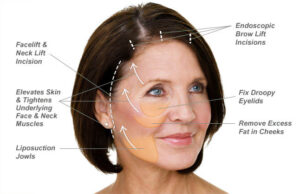
    I see many patients who are concerned about facial aging.  They look older than they feel and want to stay youthful and, in many instances, competitive.  They often look for quick fixes.  When I was a plastic surgery resident 25 years ago, the only treatment methods for the aging face were a facelift surgeryforehead lift, and blepharoplasty eyelid surgery .  Patients were either a candidate or not.  Since that time, our understanding of facial aging has increased dramatically.  We now understand that over one’s lifetime, you can lose as much as 50% of your facial fat.  In addition, the skin becomes lax and the cells are unable to retain water.  This all contributes to the face sagging, with the development of jowls, loose neck skin, prominent nasolabial folds, bags under the eyes, and drooping eyebrows.
    Physicians are now not only resecting the loose skin, but also adding volume to the face, with different types of fillers including fat, hyaluronic acid, and collagen.  In addition, the face lifting procedures have expanded in techniques, to include limited dissection facelifts, thread lifts, and multi-plane facelifts.  This not only gives the patient many alternatives but also contributes to confusion as to what is the best choice.


    Facelift ProcessAs I have mentioned before, it’s important to seek a qualified plastic surgeon, if you are a candidate for a facelift.  There are many practitioners, who are not board-certified plastic surgeons, offering “nonsurgical facelifts” as well as limited facelifts that they advertise will give you the same result as the more traditional surgical facelifts.  Ask them what their qualifications are, if you can see before and after pictures, and if you can speak with some of their former patients.  The more traditional facelifts will last 7-10 years.  The limited facelifts and “liquid facelifts” will not give as effective a result, nor will they last nearly as long.  In my practice, I utilize 3-4 different types of facelifts, depending on the patient’s needs, and I often will complement the facelift procedure with dermal fillers, Botox, and laser resurfacing. Some patients really do not want surgery, even though that may be the best treatment method.  In this situation, I explain to them alternative treatments and their limitations. There is no “one-size-fits-all formula” to treat the aging face.

    Frequently Asked Questions

  • Laughter Therapy for Your Well-Being

    Laughter Therapy for Your Well-Being

    Laughing therapy

    In the fast-paced world we live in, stress and anxiety can often take a toll on our mental and physical health. While there are various methods to combat these challenges, one of the simplest and most enjoyable techniques is laughter therapy. Laughter therapy, also known as humor therapy, involves using the natural physiological process of laughter to improve overall well-being. At The Advanced Plastic Surgery Centre in Woodlands and Houston, TX, Dr. Perlman emphasizes the importance of holistic approaches to health, including the benefits of laughter therapy.

    What is Laughter Therapy?

    Laughter therapy is the use of laughter to promote healing and overall wellness. It can be practiced in groups or individually and often involves a variety of activities such as laughter exercises, playful activities, and even comedy sessions. The goal is to induce genuine laughter, which has numerous physical and psychological benefits.

    Benefits of Laughter Therapy

    1. Reduces Stress: Laughter reduces the level of stress hormones like cortisol and adrenaline, creating a more relaxed and positive state of mind.
    2. Boosts Immune Function: Laughter increases the production of antibodies and enhances the effectiveness of T-cells, which help fight off illnesses.
    3. Improves Mood: Laughter triggers the release of endorphins, the body’s natural feel-good chemicals, which promote a sense of well-being and can temporarily relieve pain.
    4. Enhances Social Connections: Sharing a laugh with others strengthens social bonds and improves relationships, contributing to a sense of community and support.
    5. Increases Oxygen Intake: Laughter enhances your intake of oxygen-rich air, stimulates your heart, lungs, and muscles, and increases the endorphins that are released by your brain.
    6. Promotes Relaxation: Laughter stimulates circulation and aids muscle relaxation, which can help reduce some of the physical symptoms of stress.

    How to Incorporate Laughter Therapy into Your Life

    1. Join a Laughter Yoga Group: Laughter yoga combines voluntary laughter with yoga breathing techniques. The body cannot distinguish between voluntary and spontaneous laughter, so the benefits are the same.
    2. Watch Comedies: Set aside time to watch your favorite comedy shows or movies. The humor can help shift your perspective and lift your mood.
    3. Engage in Playful Activities: Participate in activities that make you laugh, such as playing games, reading humorous books, or engaging in playful banter with friends and family.
    4. Laughter Exercises: Practice simple laughter exercises such as forced laughter, which often turns into genuine laughter. Try laughing for a few minutes each day, even if you don’t find anything particularly funny.
    5. Surround Yourself with Positive People: Spend time with people who make you laugh and bring joy to your life. Their positivity and sense of humor can be contagious.
    6. Find Humor in Everyday Situations: Try to see the funny side of life’s challenges. Maintaining a light-hearted perspective can help you cope with difficult situations more effectively.

    Scientific Support for Laughter Therapy

    Numerous studies have highlighted the therapeutic benefits of laughter. Research has shown that laughter can reduce pain, improve mood, and increase life satisfaction. It’s a natural and cost-effective way to improve your health and well-being. For instance, a study published in the Journal of the American Medical Association found that laughter therapy can significantly improve quality of life and reduce stress in patients.

    Frequently Asked Questions

  • Choosing a Plastic Surgeon

    Choosing a Plastic Surgeon

    cosmetic surgeon

    Choosing a qualified plastic surgeon is a very important decision. There is a lot of hype surrounding the cosmetic surgery field, so much so it can feel like information overload.
    While some of this information is truthful and informative, there are also many misconceptions and biases. For example, when something goes wrong with cosmetic surgery for a celebrity, it grabs more publicity than a procedure that went without a hitch. It’s just one of many reasons selecting and following through with a procedure is easier said than done for many people.

    The terms plastic surgery and cosmetic surgery are commonly used interchangeably, although there are distinctions.  The word plastic is from the Greek word Plastikos which means to reshape.  There is no “plastic” in plastic surgery.  Plastic surgery can either be for cosmetic reasons, such as facelifts, breast augmentations, and liposuction, or for reconstructive reasons such as breast cancer reconstruction, burn reconstruction, hand surgery, and congenital anomalies.

    When properly performed, cosmetic surgical procedures are safe and effective. However, there are risks involved with any procedure, and being treated by a qualified physician doesn’t guarantee that everything will turn out as planned. The problem is that there are many people performing cosmetic procedures who are not qualified.

    Caveat Emptor-Let the Buyer Beware
    In this day and age, people make lots of claims surrounding cosmetic procedures however, few of them can back them up.

    Physicians advertise that they are “board-certified” to qualify themselves as experts.  But what does “board certified” mean? There are 24 medical specialties recognized by the American Board of Medical Specialties, one of which is plastic surgery.  In order to be a member of one of these specialty boards, the physician has to have been board-certified in this specialty. This means the physician completed a residency in that specialty and passed written and oral exams given by the respective board.

    Physicians who call themselves “cosmetic surgeons” are often not plastic surgeons.  They are not board certified by the American Board of Plastic Surgery.  Many are “board-certified” by organizations that promote themselves as cosmetic surgeons, but have little training.  They may take a weekend course such as the one I saw advertised recently.  It was a course offered by the International Society of Cosmetogynecology on Cosmetic Breast Surgery.  I would be skeptical of having a breast augmentation done by someone who took a weekend course in the procedure, yet legally there is no restriction keeping them from performing this procedure.

    Many practitioners operate out of their office suite because they don’t have hospital privileges.  Many do not even carry malpractice insurance.

    When making an educated decision as to who to choose, ask about board certifications, where they operate, if they have hospital privileges, and if you can see before and after pictures of their results.  Ask your own physician if they know about the doctor you are planning to see.  You can also research through your state medical board to see if there is any disciplinary action against the practitioner.

    Cosmetic surgery can help you feel better about yourself, renew your confidence, and improve your life.  So make a well-informed, educated decision when you choose your plastic surgeon.