

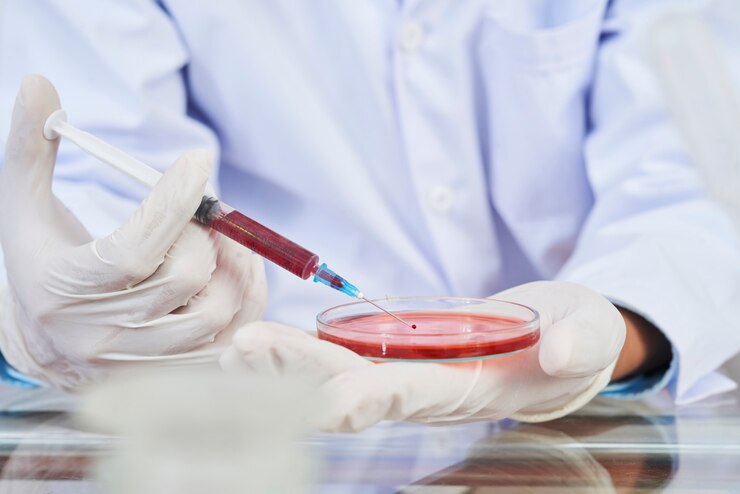
In a significant leap forward for medical science, researchers have successfully developed lab-grown blood vessels that hold promise for revolutionizing the treatment of diabetes-related vascular complications. This blog explores the groundbreaking development of lab-grown blood vessels, their potential applications in diabetes care, and the implications for future treatments.
Diabetes mellitus is a chronic metabolic condition characterized by elevated blood sugar levels over a prolonged period. Over time, high blood sugar levels can damage blood vessels throughout the body, leading to a range of vascular complications, including:
Current treatments for diabetes-related vascular complications often involve medications to manage blood sugar levels, lifestyle modifications, and, in severe cases, surgical interventions such as angioplasty or bypass surgery. However, these treatments have limitations, and there is a pressing need for innovative approaches to address the underlying vascular damage in diabetes.
Recent advancements in tissue engineering and regenerative medicine have paved the way for the development of lab-grown blood vessels. These vessels are created using a combination of bioengineering techniques and stem cell technology, offering several key advantages:
Researchers have successfully demonstrated the feasibility of lab-grown blood vessels in preclinical studies, showcasing their ability to enhance blood circulation and tissue oxygenation in animal models of diabetes. Key milestones include:
While the development of lab-grown blood vessels represents a promising advancement in diabetes treatment, several challenges and considerations remain:
The emergence of lab-grown blood vessels marks a transformative milestone in the field of diabetes care, offering new hope for addressing the debilitating vascular complications associated with this chronic condition. By harnessing the power of regenerative medicine and bioengineering, researchers are paving the way towards personalized therapies that can improve the quality of life and outcomes for millions of diabetic patients worldwide.
As ongoing research continues to refine and validate these advancements, the future holds promise for integrating lab-grown blood vessels into mainstream clinical practice, ushering in a new era of precision medicine and regenerative therapies for diabetes.
Explore the potential of lab-grown blood vessels to revolutionize diabetes treatment—advancing towards personalized solutions for vascular health and enhancing patient outcomes.